In this April 8, 2020, photo, a pedestrian strolls past small businesses that are shuttered closed during the coronavirus epidemic in the Crown Heights neighborhood of Brooklyn in New York. (AP Photo/Mark Lennihan, File)
Experts warn the country could see a wave of permanent small business closures this fall.
Small businesses in the United States have survived six months of the coronavirus pandemic, but without additional federal relief and the winter approaching, it’s unclear how much longer many can hold on.
Experts warn that if the federal government doesn’t provide support to individuals and small businesses soon, the country could see a wave of small businesses closing permanently this fall. And a major collapse of these businesses could set off a vicious cycle, prolonging the economic recession and slowing recovery even further.
A number of factors are creating a dim financial future for small businesses. After enhanced unemployment benefits ran out in July when congressional Republicans and the White House failed to find a bill they could agree on, unemployed Americans have been left with little money to spend in their communities.
Second, federal programs that were designed to help small businesses during the coronavirus pandemic have repeatedly run out of funds, and many minority-owned businesses never got enough money in the first place.
And third, many small businesses, especially restaurants and gyms, were able to remain open during the summer thanks to outdoor venues with easier ventilation. As colder weather sweeps across the country, many of these businesses will be left without ways to reach their customers.
Although businesses that employ fewer than 20 employees make up the majority of employers in the country, hundreds of thousands of small business owners did not get any federal funding to help make it through the coronavirus pandemic. Minority-owned businesses have been hit particularly hard. According to the Center for Responsible Lending, about 90% of businesses owned by people of color have already been or will likely be excluded from the Paycheck Protection Program (PPP). The numbers for Latino-owned businesses aren’t much better, with about 70% of owners who had submitted their applications for funding reported not receiving any funding, according to the League of United Latin American Citizens and the Philadelphia Business Journal.
Nick Shenoy, who serves as the president of the Asian American Chamber of Commerce of Greater Philadelphia, told the Philadelphia Business Journal that many minority-owned businesses have been excluded because they often rely on smaller banks and credit unions. These financial institutions just don’t have the same standing as big banks.
“I still go to the office though my team is fully remote unless it’s an emergency, but all the big projects have halted,” Reginald Andre, who owns an IT service company in Miami, told Fast Company in an interview. He said he’s doing all he can to avoid layoffs, but is running out of options and considering a pay cut for his employees across the board.
Now as the seasons change and there is no word on when another round of relief will come, small businesses are on the brink of ruin. The recovery momentum the country felt in the spring and early summer is waning, and the promise of cooler weather brings its own challenges.
For instance, many gyms have been able to adapt to coronavirus restrictions by reducing the number of people allowed inside and offering outdoor classes. Even yoga studios and specialty training have been able to move their operations outside with some degree of success, but that adaptation will go away when cold temperatures grip areas of the country this winter.
Colder weather also means that people are less likely to be out and about, instead opting for the couch and movies instead of going out to eat and shopping. This change in behavior is also expected to have a negative impact on the economy and force businesses into a tough choice: keep operating through the winter and hope for the best, or throw in the towel and close up shop.
Author
For Rep. Susan Wild, supporting PA families includes reproductive rights and much more
Rep. Susan Wild wants to be very clear with Pennsylvanians: Donald Trump is committed to taking away women’s reproductive freedom, but he is not...
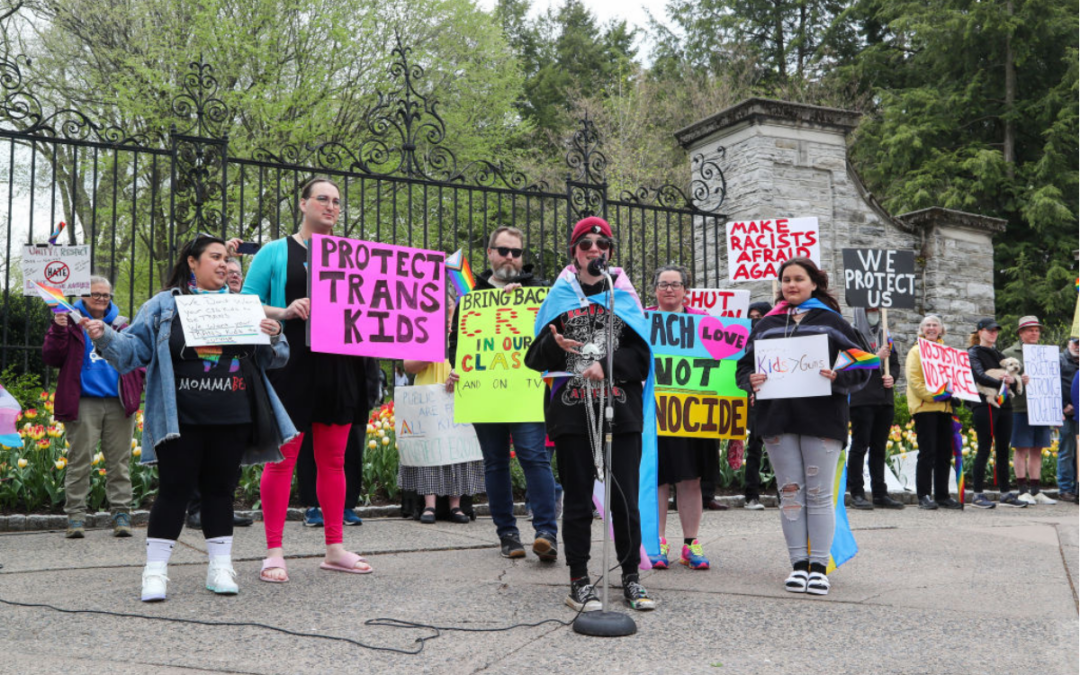
School districts working with anti-LGBTQ groups can cost your kids’ schools millions
Parents across South Central Pennsylvania are worried about the potential financial impacts working with anti-LGBTQ groups may have on their school...
VIDEO: Trump distances himself from his anti-abortion views
Donald Trump appeared on WGAL on Tuesday and continued to distance himself from his anti-abortion views claiming that reproductive rights are now a...

VIDEO: Community pushback gets school board to rescind decision on denying gay actor’s visit
Cumberland Valley School Board offered a public apology and voted to reinstate Maulik Pancholy as a guest speaker a week after the board voted to...

VIDEO: Project 2025 brings nuclear armageddon back into vogue
Project 2025 is a titanic document, with plans ranging from cutting half of all government employees to targeting reproductive rights on a scale...