
Only 21 of the 1.9 million people who have received a shot in the first weeks of vaccination experienced severe allergic reactions, and 20 of them fully recovered. “The known and potential benefits outweigh the known and potential risks,” said Nancy Messonnier, a CDC director. (Getty Images / Westend61; Graphic by Rebecca Russ/COURIER)
Only 21 of the first 1.9 million people to receive coronavirus vaccines had severe allergic reactions. Vaccine centers have protocols in place to easily treat such incidents, CDC officials said.
Severe allergic reactions to coronavirus vaccines continue to be rare occurrences and should not prevent Americans from getting vaccinated, officials at the Centers for Disease Control and Prevention said Wednesday.
The CDC explained that given the small risk of severe allergic reaction and the high risk of catching and spreading COVID-19, the benefits of vaccination far outweigh the costs. Plus they note, the allergic reactions reported have been easily treatable.
So far only 21 of the 1.9 million people who have received a shot during the first weeks of vaccination experienced severe allergic reactions, according to data the CDC released midweek. Most of those who experienced reactions had a history of such allergic reactions and 20 of them have fully recovered.
“The known and potential benefits outweigh the known and potential risk of getting the vaccine,” said Nancy Messonnier, director of the CDC’s National Center for Immunization and Respiratory Diseases, in a news briefing.
Severe allergic reaction, called anaphylaxis, is easily treatable with medicines like epinephrine. Many people who are already diagnosed with severe allergic reactions to items such as peanuts or eggs often carry epinephrine in the form of an EpiPen.
According to the Washington Post, epinephrine has been the medicine used to treat almost all of the 21 anaphylactic reactions to the vaccines.
The reactions appeared in patients within 15 minutes of receiving the vaccine, which is why centers administering the vaccine and the CDC recommend patients who have been inoculated stay 30 minutes for observation before leaving. If a reaction presents itself, medical personnel can quickly treat the patient.
Although only a few cases of severe allergic reactions have occurred, experts have voiced concerns that reports of them could dissuade Americans from getting vaccinated.
The United States is suffering an incredible pandemic surge. COVID-19 is killing about 2,670 people every day, and that average is continuing to rise.
Hospitals and healthcare facilities across the country are reaching their breaking points. In Los Angeles County, ambulance drivers have been told not to transport patients who have little hope for survival and supplies of oxygen are running low.
Author


For Rep. Susan Wild, supporting PA families includes reproductive rights and much more
Rep. Susan Wild wants to be very clear with Pennsylvanians: Donald Trump is committed to taking away women’s reproductive freedom, but he is not...
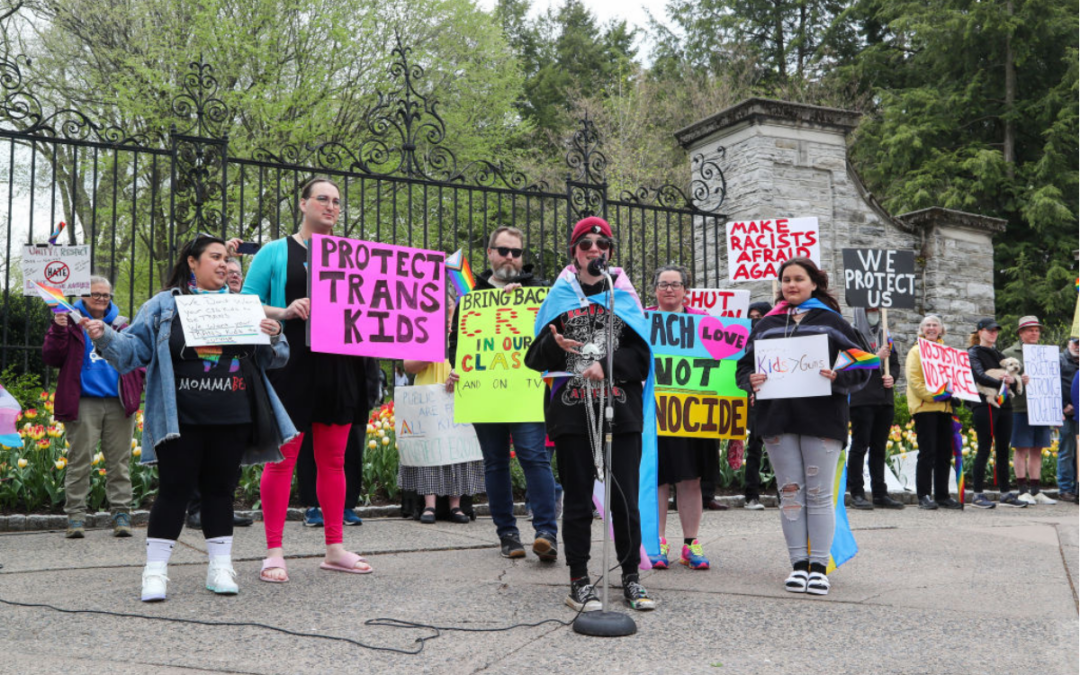
School districts working with anti-LGBTQ groups can cost your kids’ schools millions
Parents across South Central Pennsylvania are worried about the potential financial impacts working with anti-LGBTQ groups may have on their school...

VIDEO: Trump distances himself from his anti-abortion views
Donald Trump appeared on WGAL on Tuesday and continued to distance himself from his anti-abortion views claiming that reproductive rights are now a...

VIDEO: Community pushback gets school board to rescind decision on denying gay actor’s visit
Cumberland Valley School Board offered a public apology and voted to reinstate Maulik Pancholy as a guest speaker a week after the board voted to...

VIDEO: Project 2025 brings nuclear armageddon back into vogue
Project 2025 is a titanic document, with plans ranging from cutting half of all government employees to targeting reproductive rights on a scale...