Online internet romance scam or swindler in website application dating concept. Love is bait or victim. (Shutterstock)
Hundreds of Pennsylvanians lost a combined $21 million to romance scams in 2023, a problem that is on the rise with the use of AI-generated photos.
Valentine’s Day isn’t just a time for flowers, candy, and cards. It’s also peak romance scam season.
According to Social Catfish, an online service where you can verify the identity of a potential suitor, the biggest trend among romance scammers currently involves someone using a fake identity to trick another person into believing they are in a relationship or friendship with them, a practice known as catfishing. The scammers typically steal photos of attractive and successful looking people and use them to create fake profiles on dating apps and social media.
Americans lost $1.14 billion to romance scams such as catfishing in 2023, with Pennsylvania accounting for $21.3 million of those losses, the sixth highest amount in the country and a nearly 50% increase over 2022. In all, 549 Pennsylvanians lost an average of $38,832 to romance scams last year, which was 14th highest among states and a 62% increase over the 2022 average.
California was the most-scammed state in 2023, with 2,024 victims losing a total of $100.6 million. Florida was second, with 1,351 victims coughing up $62.9 million to romance scammers.
What is a romance scam?
The FBI defines a romance scammer as someone who lies about their identity online and then quickly establishes a close relationship with their potential victim. In order to get their victim to trust them they will seem caring, genuine, and even infatuated with that person. Within a short time frame they could string along the idea of building a future, or getting married, and then they will eventually ask for money.
This may seem like an easy to spot tactic, but the FBI stresses that romance scammers are very good at what they do as they manipulate people for a living. Bilking Pennsylvanians out of $21.3 million in one year would prove that point.
How to spot a romance scammer:
- According to the Federal Trade Commission, there are scammers on most online dating and social media platforms. You may be looking for love and fall into a trap, or you could receive an unexpected message from someone with ill intent.
- The con artists will often create a fake job that makes it easier to convince their victim to send them money while also providing a reason that they can’t meet in person.
- Some of the most common lies are that they are overseas on a business project or in the military, giving them an easy segue into asking for money to cover “medical expenses” or getting them out of unexpected trouble.
How scammers are using AI to catfish victims
In addition to stealing real photos from other people, scammers are increasingly using AI to generate photos. Signs of AI-generated photos include:
- Anatomy Errors: Extra or missing legs, arms, fingers, etc.
- Strange Outfits: The wording on clothing is gibberish or misspelled
- Be wary of perfection: Images too shiny or cartoonish
- Impossible Shadows: They are in the sun but there are no shadows
- Objects: Does their watch, hat or glasses blur into the body
Suspicious? Do a reverse image search
The easiest way to confirm someone’s identity from a photo and prevent a romance scam is to perform a reverse image search using a tool such as Google Lens. You simply upload a photo of the person you are chatting with online and hit search. This will help you confirm the real identity of the person in the photo.
What to do if you’re the victim of a romance scam
Report it to your local law enforcement agency, the Federal Trade Commission, and if you are being extorted go to the FBI.
Alert the social media site where they contacted you.
If you paid the scammer through a wire transfer, gift card, credit or debit card, or crypto currency, contact your bank or the company and ask for a refund.
Protect your identity by changing your passwords and setting up two-factor authentication for online accounts. Secure and monitor your bank accounts and credit.
Be cautious of future scams. The person who scammed you or their network may approach you in a different way.
Author
Support Our Cause
Thank you for taking the time to read our work. Before you go, we hope you'll consider supporting our values-driven journalism, which has always strived to make clear what's really at stake for Pennsylvanians and our future.
Since day one, our goal here at The Keystone has always been to empower people across the commonwealth with fact-based news and information. We believe that when people are armed with knowledge about what's happening in their local, state, and federal governments—including who is working on their behalf and who is actively trying to block efforts aimed at improving the daily lives of Pennsylvania families—they will be inspired to become civically engaged.

FBI finds explosive residue in storage unit after 2 Bucks County men are charged with lighting bombs in NYC
The FBI said Tuesday that it found explosive residue in a Pennsylvania storage unit as part of an investigation into two men charged with bringing...

Bucks County men held in ‘ISIS-inspired’ NYC terrorism plot
Emir Balat and Ibrahim Kayumi were being held without bail after their arraignment Monday on charges that include attempting to provide material...

Pennsylvania State Trooper shot and killed in Chester County
Cpl. Timothy O'Connor was a 15-year-veteran of the force and is survived by his wife and daughter, officials said. A Pennsylvania State Trooper was...
Bucks County teens arrested outside NYC mayor mansion after IED ignited
Emir Balat, 18, and Ibrahim Kayumi, 19, were detained by New York City police on Saturday. Authorities said they attempted to ignite suspicious...
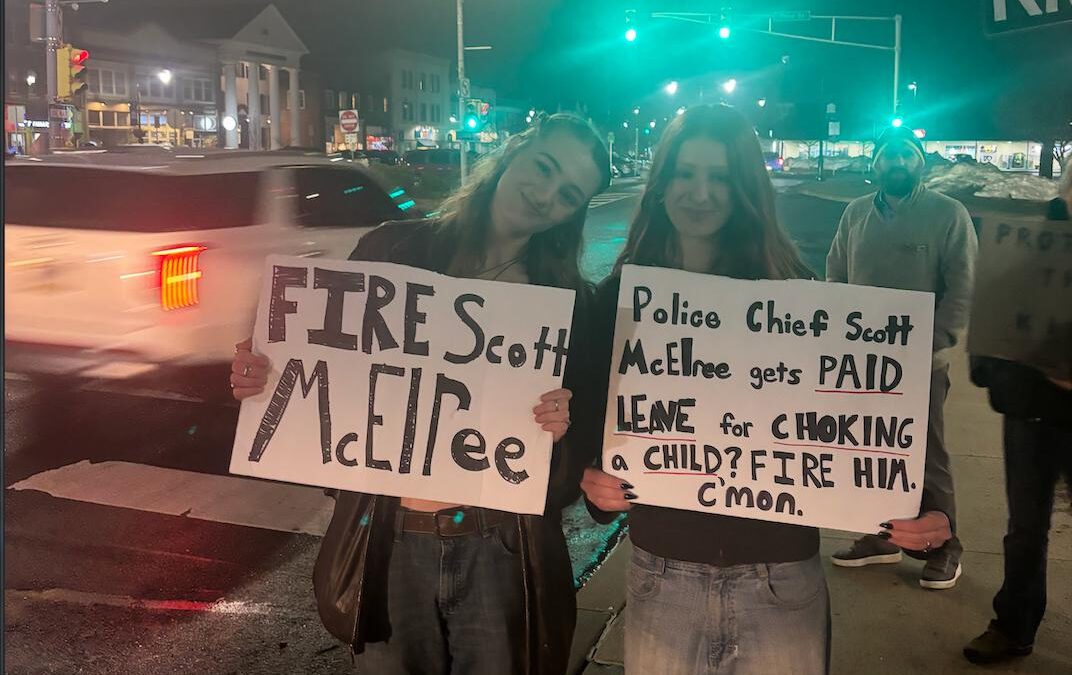
Quakertown residents continue to demand ouster of police chief
Time hasn't quelled calls for the ouster of the police chief at the center of the clash between officers and students at an ICE protest two weeks...