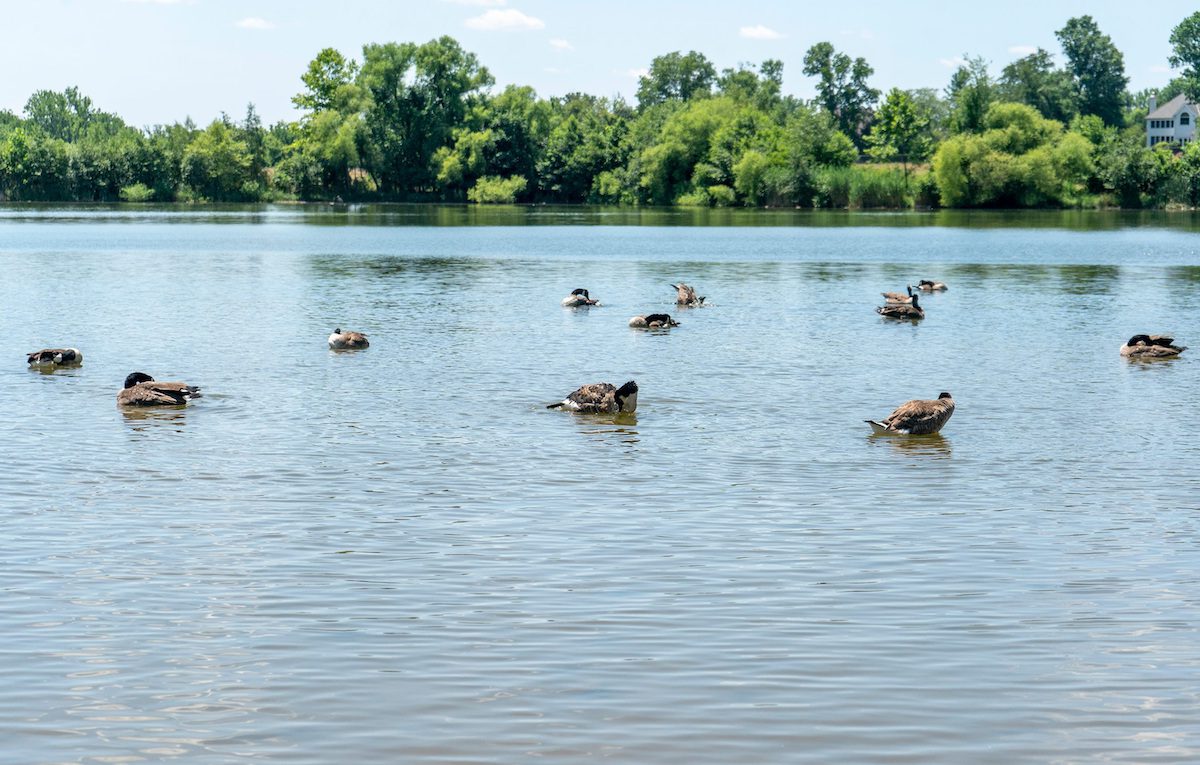
Geese stick their heads in the water in search of food in Lake Luxembourg at Core Creek Park in Langhorne on Friday, July 19, 2024. (Photo: USA Today Network)
The EPA announced it’s extending the deadline on removing two forever chemicals from public water systems and rescinding regulations on three other contaminants, also known collectively as PFAS.
Under the regulations finalized by the Biden administration last year, public water agencies had until 2029 to install PFAS-reducing filtration systems in drinking water supplies that exceeded the EPA standard for two forever chemicals, PFOA and PFOS. The deadline is now 2031.
The Trump administration, which said it plans to finalize new rules for the other three PFAS next year, has pitched the move as a way to support smaller water systems that may need more time to address forever chemicals in drinking water.
In the meantime, the current federal limits for those three chemicals — PFNA, PFHxS, and HFPO-DA — are to be canceled. The EPA had set the limit at 10 parts per trillion for each.
Forever chemicals are toxic to humans, and may cause cancer and damage to the liver, heart and immune system, according to the Environmental Protection Agency.
How does new PFAS deadline from EPA impact Bucks County water?
Water systems in Bucks and Montgomery counties have faced contamination from forever chemicals, thanks in part to firefighting foam used at former military bases along the Bucks-Montgomery county line. Other common sources of PFAS include wastewater treatment plants and landfills, according to the EPA.
Pennsylvania currently has higher allowances for PFOA and PFOS (14 and 18 parts per trillion) to trigger mandatory treatment than EPA regulations at 4 parts per trillion each.
The extension of the deadline on treatment system installation means that water systems that may have tested above EPA limits but below Pennsylvania limits won’t have to install a treatment system until 2031. A number of water systems throughout the county routinely test above the EPA limit but below the state limit, according to the latest state data.
However, the state still “highly recommends” that new treatment systems are designed to bring PFAS to below the 4 parts per trillion level, a Department of Environmental Protection spokesperson said Friday.
Rescinding the limits for the other three forever chemicals may affect water regulation in the state as well.
While Pennsylvania has set limits for PFOA and PFOS, it doesn’t have any for PFNA, PFHxS or HFPO-DA, although some water systems in Bucks County do provide testing data for HFPO-DA to the state on a voluntary basis. It’s unclear whether the limits on the three chemicals will be rescinded without replacement, meaning there will no limits for those three chemicals in effect, or if EPA intends to rescind those limits only when it has new ones to replace them.
The EPA did not immediately respond to questions on Monday.
The Trump administration has said it plans to finalize new rules for the three forever chemicals in spring 2026.
Author


Metzgar legislation to stop Turnpike Commission use of eminent domain
State Rep. Carl Walker Metzgar (R-Somerset) has announced his intention to introduce legislation that would eliminate the ability of the...
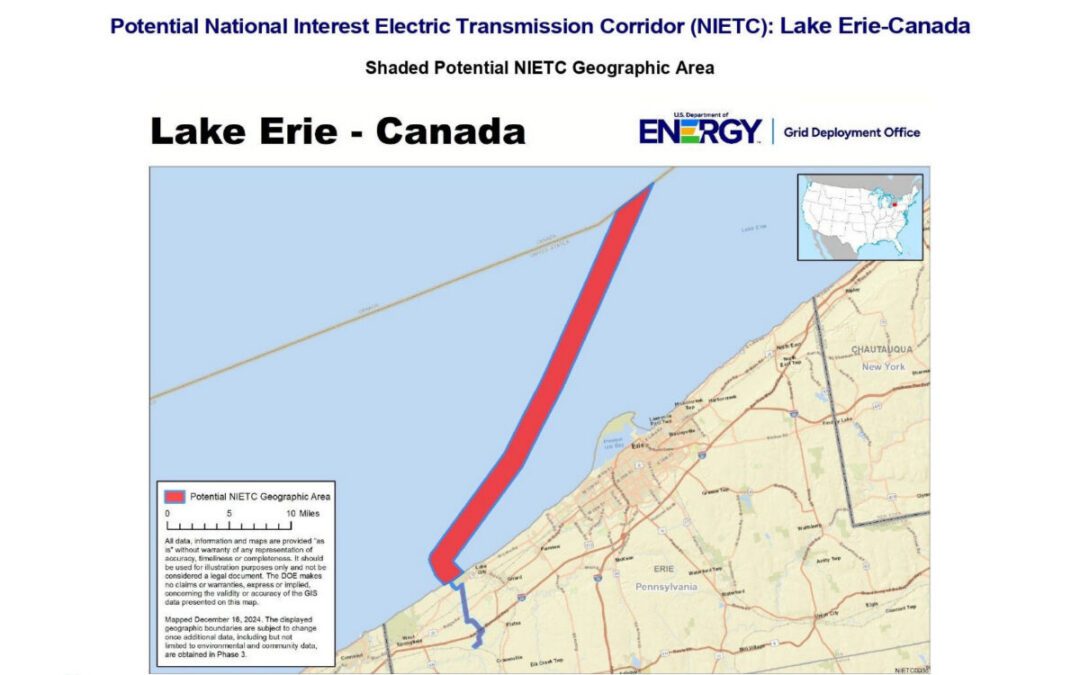
Stalled plan revived to bring electricity under Lake Erie from Canada
A proposal to build an underwater line to transmit electricity from Canada to Erie County is once again seeking government approvals. First proposed...

Verizon says hourslong outage that disrupted calling and data services has been resolved
Verizon said it resolved an outage that disrupted many U.S. customers' calling and other cellular services for more than 10 hours on Wednesday. The...

PA Turnpike tolls are increasing in 2026, but there is good news
Tolls on the Pennsylvania Turnpike are rising again in 2026, but the silver lining is that it's the smallest annual increase set by the Pennsylvania...
Where rural broadband expansion stands in Pennsylvania entering 2026
The Trump administration has canceled millions in broadband funding earmarked for Pennsylvania, aimed to help a range of groups who face challenges...