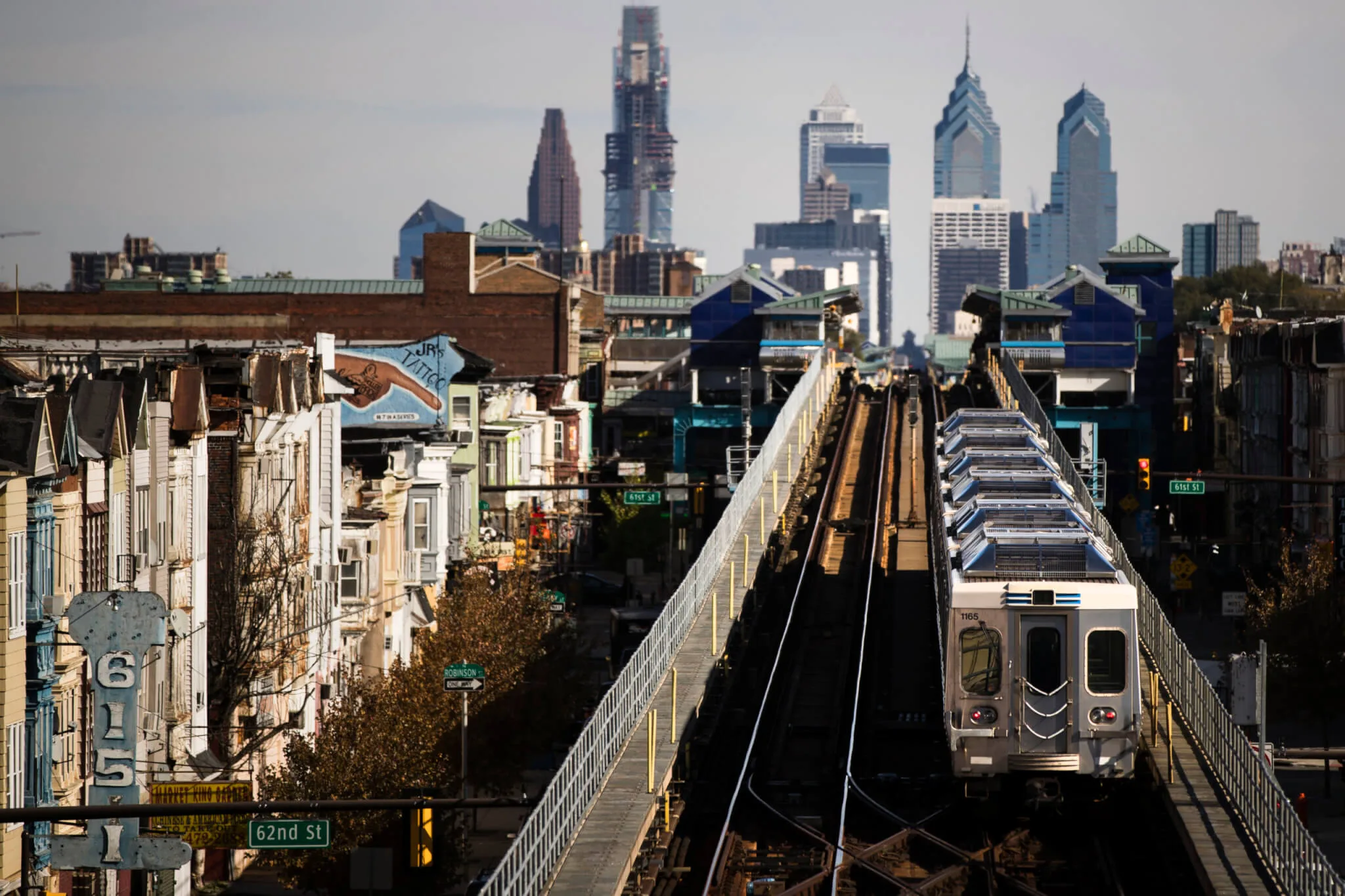
A train moves along the Market-Frankford Line in Philadelphia in 2020. (AP Photo/Matt Rourke)
Around 1 million Pennsylvanians rely on mass transit daily in urban, suburban, and rural regions. In the Philadelphia region, where SEPTA serves around 800,000 riders each day, significant service cuts are possible if lawmakers in Harrisburg can’t agree on a funding package by Thursday.
As the Pennsylvania budget stalemate drags on, so does the partisan back and forth over funding the state’s public transit agencies.
Gov. Josh Shapiro made funding mass transit agencies in the state a priority in his new budget, but lawmakers in Harrisburg continue to haggle over Shapiro’s proposed economic plan.
The Democratic-majority state House has tried to pass legislation on multiple occasions that would have raised the share of the state’s sales tax that goes to transit funding, although the bill did not pass in the GOP-majority Senate.
On Tuesday, the Senate passed a Republican-backed plan to fund the state’s mass transit agencies for the next two years, providing about $300 million. The bill would also take money from a fund for public transit to spend on roads and bridges. It still needs to go to the House for a vote.
SEPTA (The Southeastern Public Transit Authority), which serves nearly 800,000 riders daily in the greater Philadelphia region, has set a Thursday deadline to receive new funds from the state, or cut services by 20% later this month.
Things aren’t as dire in the western part of the state, where the Pittsburgh Regional Transit (PRT) said service cuts and fare increases will not occur until February 2026 at the earliest without more funding.
But with around 1 million Pennsylvanians relying on mass transit daily across the commonwealth, potential disruptions in service and price hikes in fares could have a significant impact on people’s ability to get to work, school, and important appointments.
We asked our newsletter readers (subscribe here) where they stand on funding Pennsylvania’s mass transit agencies. Here’s what they had to say:
(Answers have been edited for length and clarity.)
“I do not use SEPTA on a regular basis, but many of our friends who are seniors rely on SEPTA to get them to their doctor’s appointments and also to buy groceries. I do believe the government should fund public transit. It is an investment in our future. The more modern and convenient our public transportation system is, the more people will use public transit which means less cars on the road, less congestion, and less pollution of our precious planet Earth.”
— Sandy L., Lester
“I live in Northeast Philly, where SEPTA service is already really sparse. Recently we learned the bus that will commute teens to their high schools has been canceled. This impacts my family significantly because we all work, it’s too late to transfer (our daughter) and we can not reasonably walk or bike to this building due to unfriendly roads.
“As a public health nurse this SEPTA situation gets me so upset. Evidence from several other countries, especially Japan and Germany, constantly shows that having a reliable, clean, and efficient public transportation system is better for health, finance, community, environment, and state of mind. We should be investing in having the best public transportation in the country. In a country that is sick both physically and financially, we need to invest in better transportation not decrease it.”
— Jes, Philadelphia
“A lot of the residents in both Duquesne Heights and Mt. Washington rely on the PRT (Pittsburgh Regional Transit) to commute to downtown. I use it twice a month to attend the Rotary club of Pittsburgh. Not to mention the various staff at all the businesses on both sides of the mountain. Also parking prices downtown have skyrocketed!”
— Sheen, Pittsburgh
“Our son is attending Temple University and it looks like his bus route is on the chopping block if this funding doesn’t come through. Common sense has to prevail here, and our state legislators on BOTH sides of the aisle have to work together to fund public transportation. Leaving people who rely on public transit without a way to get to work, school, and important appointments is foolish.”
— Arlene, Montgomery County
“I use mass transit but I can also walk to most places I need to go, so not terribly impacted but rather inconvenienced by reductions in service. However, the time to fully fund mass transit is not when people realize that car ownership is too expensive, but before so it’s there when they need it. And they will. Think it doesn’t matter if you live outside of a city? More transit options mean fewer drivers and less traffic. More transit options mean opportunity to use your car less—less gas, fewer repairs. Everyone benefits in one way or another.”
— Suzanne D., Philadelphia
“Though I can drive my own car, I use COLTS (County of Lackawanna Transit System) bus service for convenience and environmental reasons. For many of my fellow passengers it is the only way to travel.”
— Maureen, Lackawanna County
“I use the regional rail system regularly to attend events in Philadelphia. I appreciate using my senior fare card, which is free to my age group. I hope changes to the funding do not impact my freedom to travel regularly to Center City and the free senior pass. I value what I have and keep involved in city life at 81 years. I support the economy through food, tickets to entertainment, and purchases during my city visits.”
— Marylou Delizia, Elkins Park
“We enjoy downtown Pittsburgh and taking the T (light rail) makes it all more enjoyable. However, we don’t think the government should continue to fund (public transit).”
— Laszlo Simon, Rostraver Township
“I rely on the PRT (Pittsburgh Regional Transit) light rail to get to and from work since I really hate driving and would prefer not to have to purchase a car and incur all the related costs like gas, maintenance, and insurance. A slight fare increase I could manage, but a reduction in service could be a major hassle as my work hours vary weekly.”
— Chris, Pittsburgh
Author
Support Our Cause
Thank you for taking the time to read our work. Before you go, we hope you'll consider supporting our values-driven journalism, which has always strived to make clear what's really at stake for Pennsylvanians and our future.
Since day one, our goal here at The Keystone has always been to empower people across the commonwealth with fact-based news and information. We believe that when people are armed with knowledge about what's happening in their local, state, and federal governments—including who is working on their behalf and who is actively trying to block efforts aimed at improving the daily lives of Pennsylvania families—they will be inspired to become civically engaged.

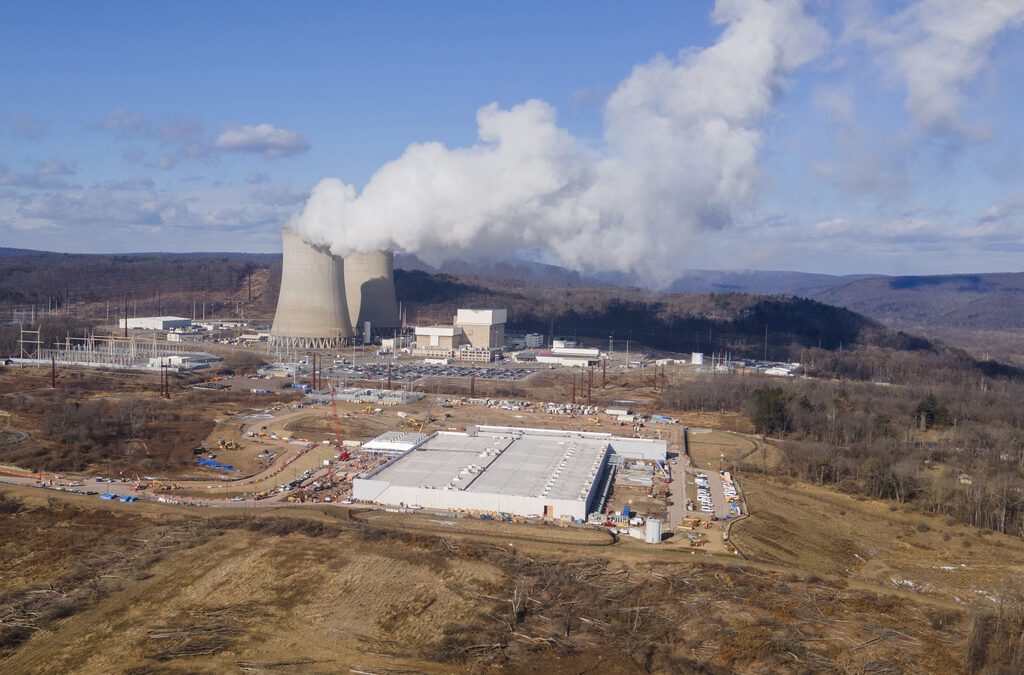
As electricity costs rise, everyone wants data centers to pick up their tab. But how?
As outrage spreads over energy-hungry data centers, politicians from President Donald Trump to local lawmakers have found rare bipartisan agreement...
Metzgar legislation to stop Turnpike Commission use of eminent domain
State Rep. Carl Walker Metzgar (R-Somerset) has announced his intention to introduce legislation that would eliminate the ability of the...
Stalled plan revived to bring electricity under Lake Erie from Canada
A proposal to build an underwater line to transmit electricity from Canada to Erie County is once again seeking government approvals. First proposed...
Verizon says hourslong outage that disrupted calling and data services has been resolved
Verizon said it resolved an outage that disrupted many U.S. customers' calling and other cellular services for more than 10 hours on Wednesday. The...

PA Turnpike tolls are increasing in 2026, but there is good news
Tolls on the Pennsylvania Turnpike are rising again in 2026, but the silver lining is that it's the smallest annual increase set by the Pennsylvania...