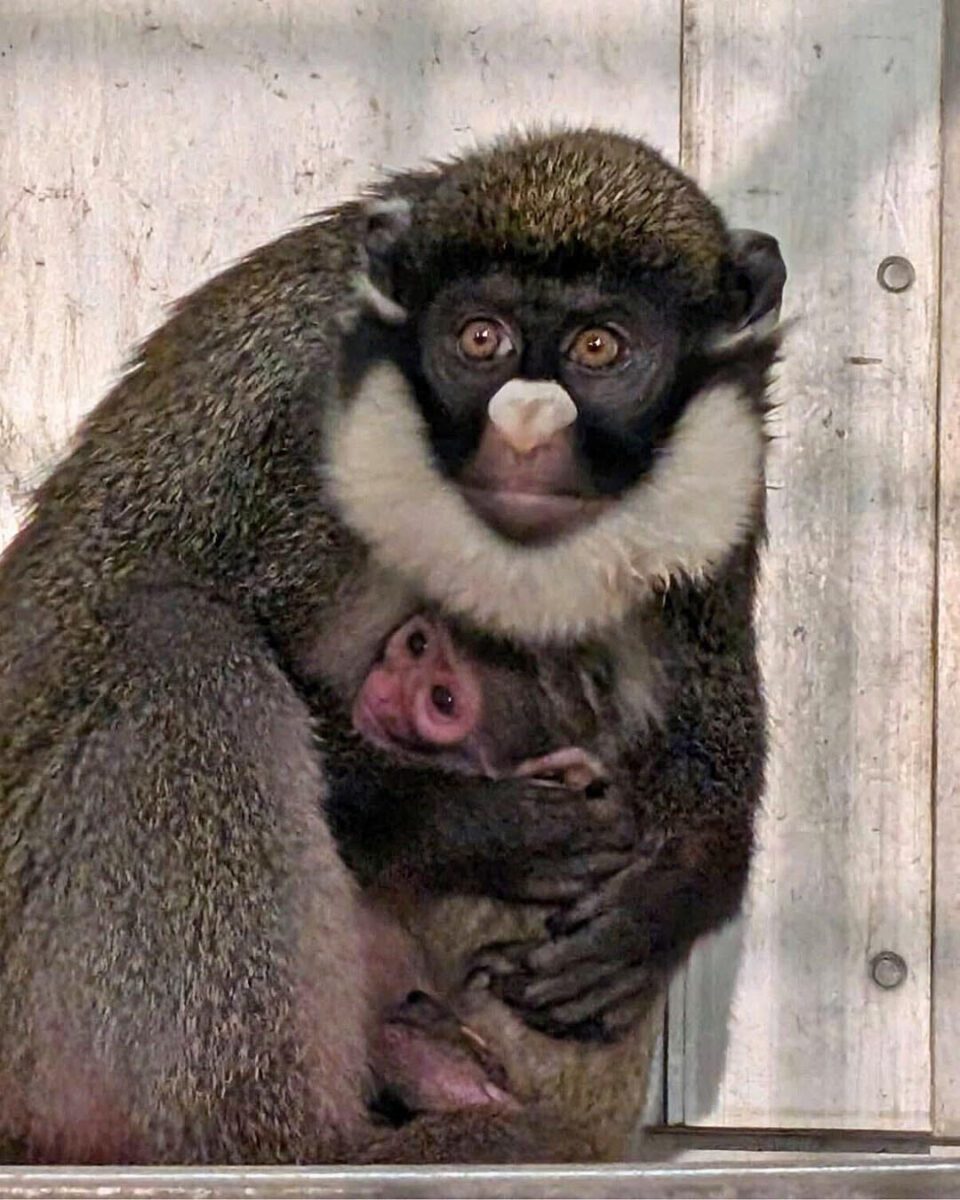
Georgia, one of the Erie Zoo's lesser spot-nosed guenons, is shown with her first baby, born Oct. 8, 2025. The baby monkey's gender wasn't yet known. Its father is the zoo's lesser spot-nosed guenon named Nemo.
The Erie Zoo welcomed a baby monkey.
The baby, a lesser spot-nosed guenon whose gender isn’t known yet, was born Oct. 8 to first-time mother Georgia and to father Nemo, zoo officials announced Oct. 9. They said the mother and the baby are both healthy and bonding well. Zookeepers also said that Georgia is showing excellent maternal instincts and keeping her little one close.
“This birth is a wonderful milestone for our zoo family,” said Jenn Salandra, animal curator of the Erie Zoo. “Each new arrival is a testament to the dedication of our animal care and veterinary staff and the success of our ongoing conservation and breeding efforts.”
Can I see the baby monkey?
The baby, who has not been named yet, might be visible with its mother periodically in their dayroom of the zoo’s Hilbert Family Primate Habitat, officials said in the release. This will depend on the mother’s comfort level and the baby’s needs during their early bonding period.
Zoo officials invited the community to stop by and welcome the newest member of the zoo family. However, visitors were encouraged to be patient and quiet near the exhibit dayroom to help mom and baby adjust during their first few weeks together. Both are being looked after by the zoo’s animal care and veterinary teams.
What is a lesser spot-nosed guenon?
These monkeys are native to the forests of West Africa, including the countries of Nigeria, Cameroon and Gabon, according to information from the zoo. Their conservation status is “near threatened” and, in the wild, spot-nosed guenons face challenges including habitat loss due to deforestation, hunting pressures and human encroachment.
Births like this one at the Erie Zoo are an important part of global conservation efforts, helping to ensure the survival of this species and educating the public about the need to protect their natural habitats, according to the zoo.
A lesser spot-nosed guenon gives birth to a single baby after 165 to 170 days of gestation. The monkeys grow to 14 to 18 inches in size plus a 2-foot tail, according to the zoo’s website. They eat fruits, leaves and insects and have a lifespan of 17 to 19 years.
Author

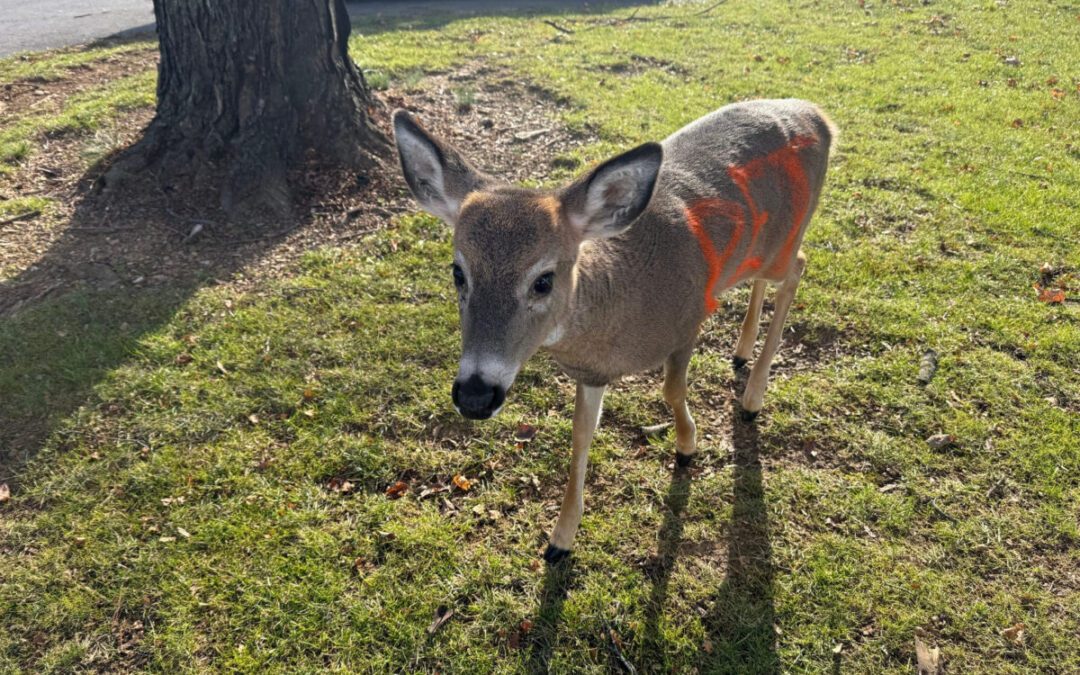
Police in Lebanon County seek ‘owner’ of deer spray painted with ‘PET’
Officials are asking for help in identifying the "owner" of a deer with a spray painted message that visited a West Cornwall Township business over...
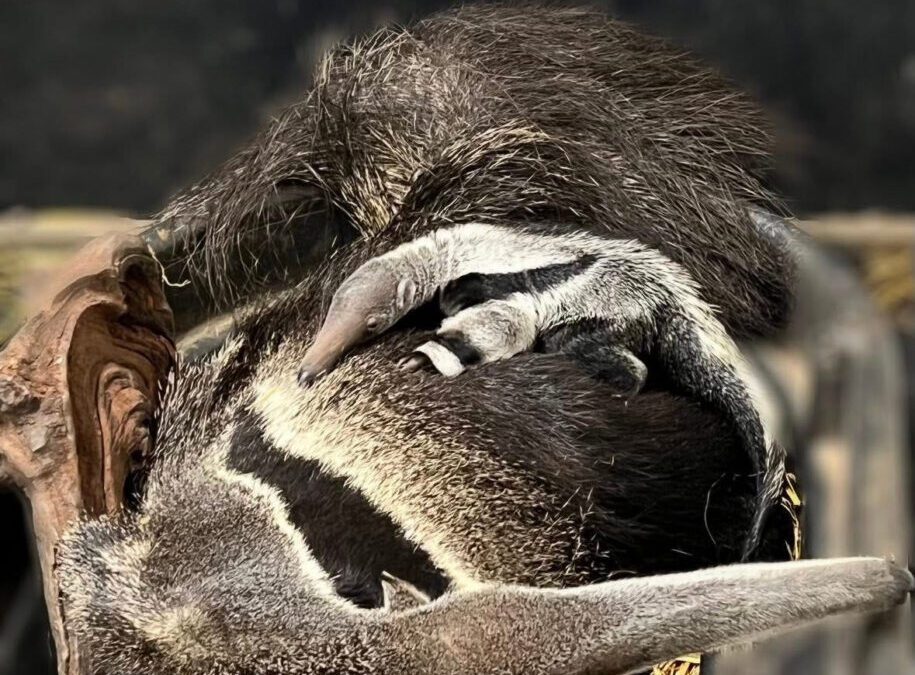
Keystone Safari announces giant anteater birth. What to know
With a snout only a mother can love, Keystone Safari has welcomed a new addition to its animal park. The Mercer County park near Grove City...

Lebanon fire crews rescue 385-pound black bear from Millcreek Twp. tree
Lebanon County fire crews assisted in the Pennsylvania Game Commission in rescuing a male black bear from a tree in Millcreek Twp over the weekend,...
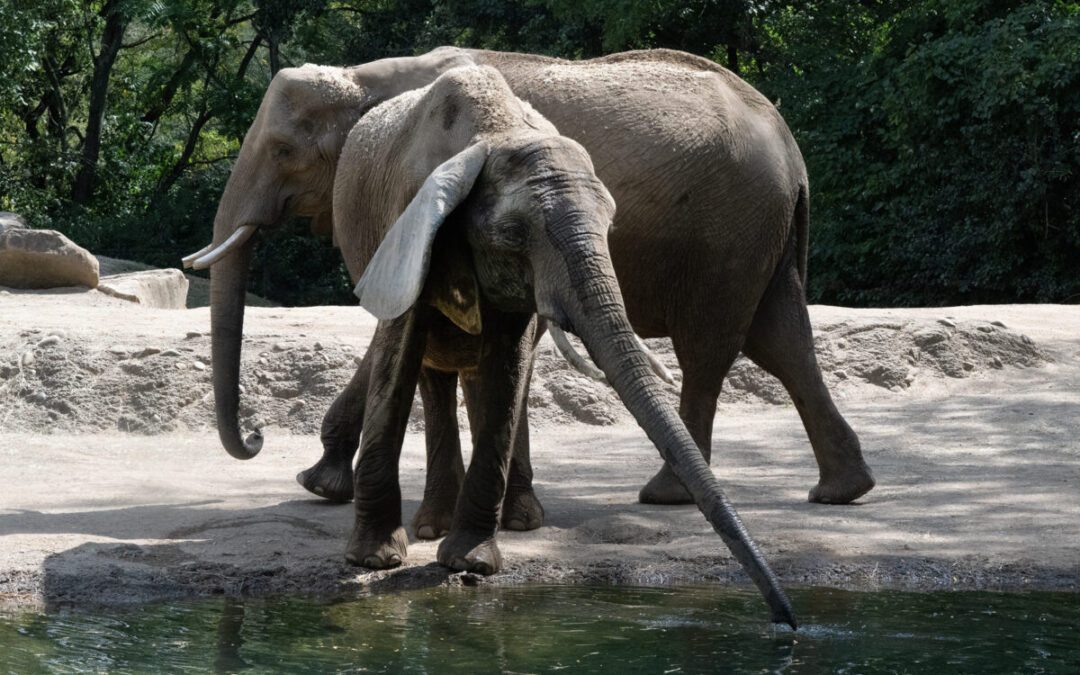
Why the Pittsburgh Zoo is planning to send two more elephants to the ICC in Somerset
Two African elephants from the Pittsburgh Zoo & Aquarium are packing their trunks and moving to Somerset County. Sisters Victoria and Zuri are...

Feathery fall migrations: Keep your eyes peeled for these traveling birds
Spot the birds making their way across Pennsylvania during their autumn migrations south. During the autumn months, numerous birds make their way...