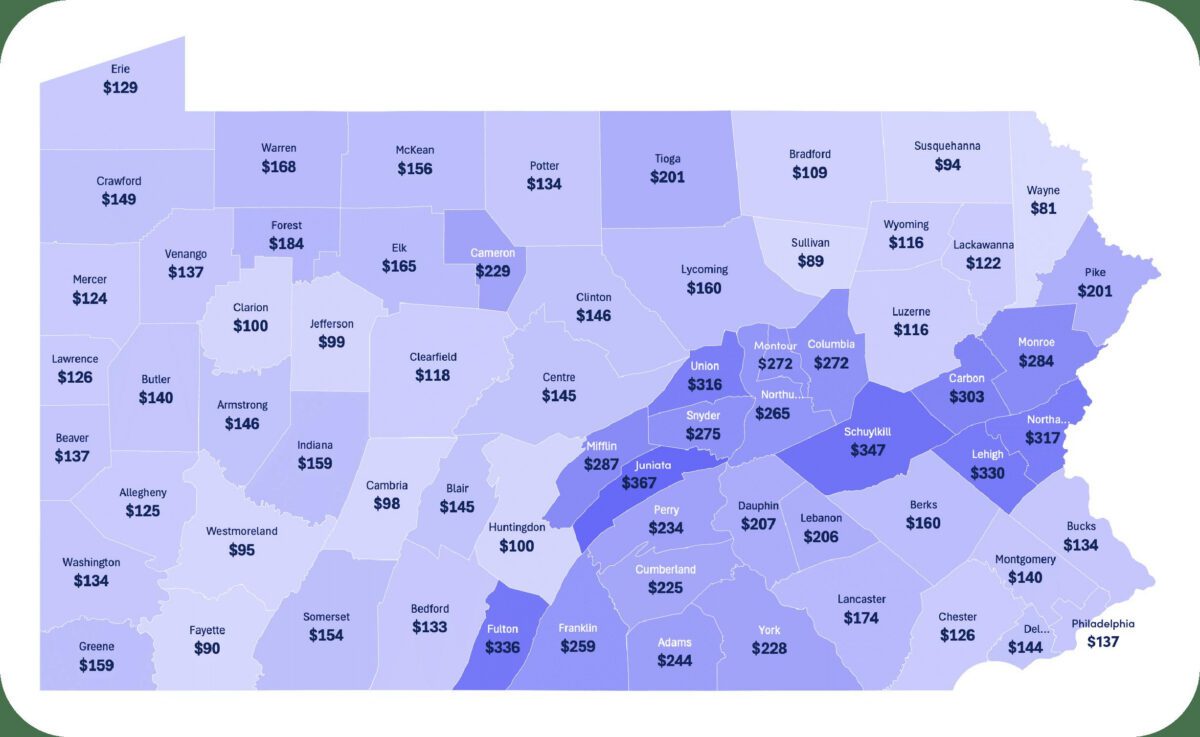
Pennsylvania officials estimated late in 2025 that the average monthly premium would climb by between $81 and $367 depending on the county if Affordable Care Act subsidies were permitted to expire. (Photo: USA Today Network)
About 85,000 Pennsylvanians have dropped their Affordable Care Act coverage for 2026 in the face of soaring premium costs from the expiration of federal subsidies.
Pennie officials said about one in five program participants chose to terminate their coverage, at a rate of about 1,000 per day during the open enrollment period. And they expect Pennie will continue to shed enrollment in coming months as people begin feeling the effect of the cost changes.
“This loss of coverage will increase the number of uninsured Pennsylvanians, worsening health outcomes and driving up uncompensated care costs statewide,” Antoinette Kraus, executive director of the Pennsylvania Health Access Network, said in a statement. “As the costs of groceries, housing, utilities and other necessities continue to rise, higher health care costs mean more people will delay care, skip treatments or take on medical debt.”
Commonwealth leaders have urged Congress to extend the enhanced tax credits that helped blunt the expense of Affordable Care Act coverage for many people. Congressional leaders, however, have not agreed on a solution.
The resulting rise in health premiums for 2026 varies based on age, income and location, with Juniata and Fulton counties seeing average jumps of 485% and 411% respectively, according to the state. Across the commonwealth, average premiums were expected to rise by 102%, officials reported.
Pennie enrollment, which closed at the end of January, stands at about 486,000 for 2026 compared to 497,000 the prior year. That total reflects the terminations and the addition of about 79,000 new enrollees, though these sign-ups also lagged compared to 2025, when more than 90,000 people joined Pennie.
Older and rural Pennsylvanians canceled their coverage at the highest rates, as did people whose earnings were just above the so-called income cliff created by the end of the enhanced tax subsidies, according to officials.
Schuylkill, Fulton, Greene, Lancaster and Northampton counties had the highest termination rates in the commonwealth.
In addition, the state reported a sizable increase in the number of people opting for cheaper Pennie plans that will expose them to higher out-of-pocket costs should they need medical care.
Author


Not all PA nursing homes share emergency plans. Did Bristol Rehab?
Before the deadly natural gas explosion at the Bristol Health & Rehab Center, the 174-bed nursing home had a plan, a series of protocols that...

Pa. pharmacists call on the state to take a bigger role in how they’re paid for Medicaid patients
Their plan would sideline middlemen in the pharmaceutical supply chain known as pharmacy benefit managers — or PBMs. As hundreds of pharmacies close...

More Pa. hospitals are creating private police forces to curb violence
Just spotting the word “police” on an officer’s badge can encourage people to keep their tempers in check or think twice about committing a crime,...
Gender-affirming health records from UPMC can’t be made anonymous, federal judge rules
U.S. District Judge Cathy Bissoon said the DOJ’s request carries a “stench” of ill-intent With a stinging rebuke of the credibility and motives of...
Mom’s ‘miracle’ baby defies odds after rare pregnancy rupture
Ericka Michel was standing on a stepstool in her Corry living room, spreading joint compound on drywall, when a small gush of fluid flowed between...