Patients check in at a Planned Parenthood Health Center in Philadelphia. (Photo by ANGELA WEISS / AFP) (Photo by ANGELA WEISS/AFP via Getty Images)
Leaders with Planned Parenthood Pennsylvania Advocates said the loss of Medicaid reimbursement is among the most harmful impacts of federal policy change and has caused a significant financial strain to all its clinics.
When some patients in southeast Pennsylvania try to schedule an appointment at their local Planned Parenthood, they will hear a new message: Medicaid is no longer accepted.
As of Feb. 16, Planned Parenthood Keystone, which has clinics in Berks, Bucks, Dauphin, Lancaster, Lehigh, Luzerne, and York counties, is no longer seeing Medicaid patients and has altered its sliding scale, meaning some uninsured patients will no longer have their costs reduced to zero.
The change is just another sign of how federal policies enacted in 2025 are having a rippling effect in Pennsylvania.
Leaders with Planned Parenthood Pennsylvania Advocates said the loss of Medicaid reimbursement is among the most harmful impacts of federal policy change.
Medicaid reimbursements cut off
Federal legislation signed by President Donald Trump last year made Planned Parenthood ineligible to receive Medicaid reimbursements, according to Adam Hosey, chief of staff for Planned Parenthood Pennsylvania Advocates.
While the Hyde Amendment prohibits federal dollars from paying for abortion care, Hosey said Medicaid covers preventative and reproductive services such as cancer screenings, birth control, STI testing, and annual exams—alll services that are offered at Planned Parenthood clinics. Without reimbursement, clinics must absorb the cost of seeing Medicaid patients.
“Planned Parenthoods were no longer able to bill Medicaid,” Hosey said. “They’re essentially paying out of pocket to make sure those folks were able to get the healthcare they needed.”
Clinics say that model is unsustainable.
Since losing Medicaid reimbursements, all Planned Parenthood affiliates have reported significant financial strain:
Planned Parenthood Southeastern PA (Philadelphia, Montgomery, Delaware, Chester counties) is facing a $5.7 million loss but continues to accept Medicaid patients, while Planned Parenthood Western PA (Allegheny, Westmoreland, Cambria counties) is facing a $1.7 million loss and continues to serve Medicaid patients..
Patients in the Planned Parenthood Keystone area are getting hit hardest of all. Locations in (Berks, Bucks, Dauphin, Lancaster, Lehigh, Luzerne, York counties) are experiencing a $2 million loss and have stopped seeing Medicaid patients.
In Bucks County, particularly Bensalem, 69% of patients are on Medicaid or uninsured. There are no federally qualified health centers in the immediate area and only a handful of alternative Medicaid providers—with the closest located in Philadelphia County, said Signe Espinoza, executive director of Planned Parenthood of Pennsylvania Advocates.
For some patients, that means traveling out of county for routine care.
“What this means is that folks who already experience barriers to healthcare are just being stripped away of their right to choose a provider,” said Espinoza.
No closures yet in Pa.
Nationally, 51 Planned Parenthood health clinics across 18 states closed in 2025 following federal changes. Most were located in rural or medically underserved regions.
Pennsylvania has not experienced permanent closures, but some temporary disruptions have occurred due to staffing shortages, Espinoza said.
Espinoza warned that just because abortion is legal abortion in Pennsylvania does not guarantee easy access to care if clinics cannot remain financially viable.
“We don’t want to live in a Pennsylvania where there’s no more Planned Parenthood,” Espinoza said. “At this point, I cannot guarantee that that’s not going to be a reality in the coming years.”
Author
Support Our Cause
Thank you for taking the time to read our work. Before you go, we hope you'll consider supporting our values-driven journalism, which has always strived to make clear what's really at stake for Pennsylvanians and our future.
Since day one, our goal here at The Keystone has always been to empower people across the commonwealth with fact-based news and information. We believe that when people are armed with knowledge about what's happening in their local, state, and federal governments—including who is working on their behalf and who is actively trying to block efforts aimed at improving the daily lives of Pennsylvania families—they will be inspired to become civically engaged.

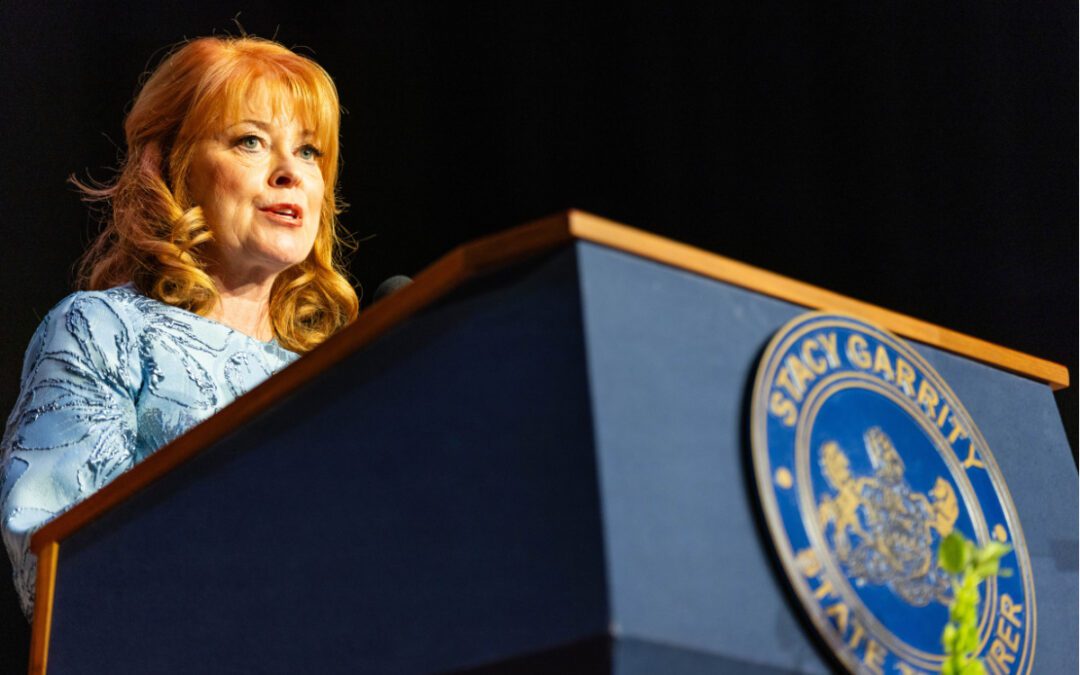
Doctors skeptical on Pa. governor candidate Stacy Garrity’s abortion pivot
Pennsylvania Treasurer Stacy Garrity, running against Gov. Josh Shapiro, campaigned with an anti-abortion governor on Sunday. Doctors aren’t buying...
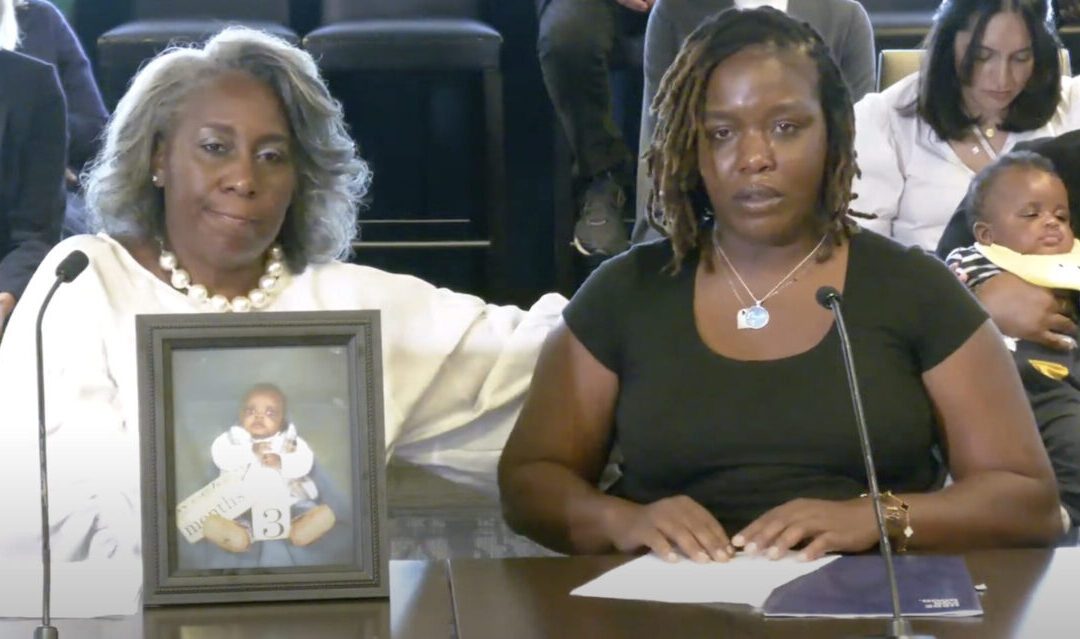
Pennsylvania’s maternal and infant mortality crisis through one mother’s loss
Pennsylvania’s growing maternal and infant mortality crisis is blamed in part on maternity care deserts and stigmas around care. This is one woman’s...
Gov. Shapiro joins lawsuit against against Trump administration over defunding of Planned Parenthood
The suit centers on a provision of the recently-passed mega bill , which enacts many of President Donald Trump’s domestic policy priorities. Gov....

The scary reality of losing Medicaid and health care options for one Pennsylvania woman
In the wake of Trump’s ‘One Big Beautiful Bill,’ thousands of Pennsylvanians are waking up to a new reality: the loss of Medicaid coverage, and the...
Supreme Court limits nationwide injunctions, but fate of Trump birthright citizenship order unclear
WASHINGTON (AP) — A divided Supreme Court on Friday ruled that individual judges lack the authority to grant nationwide injunctions, but the...