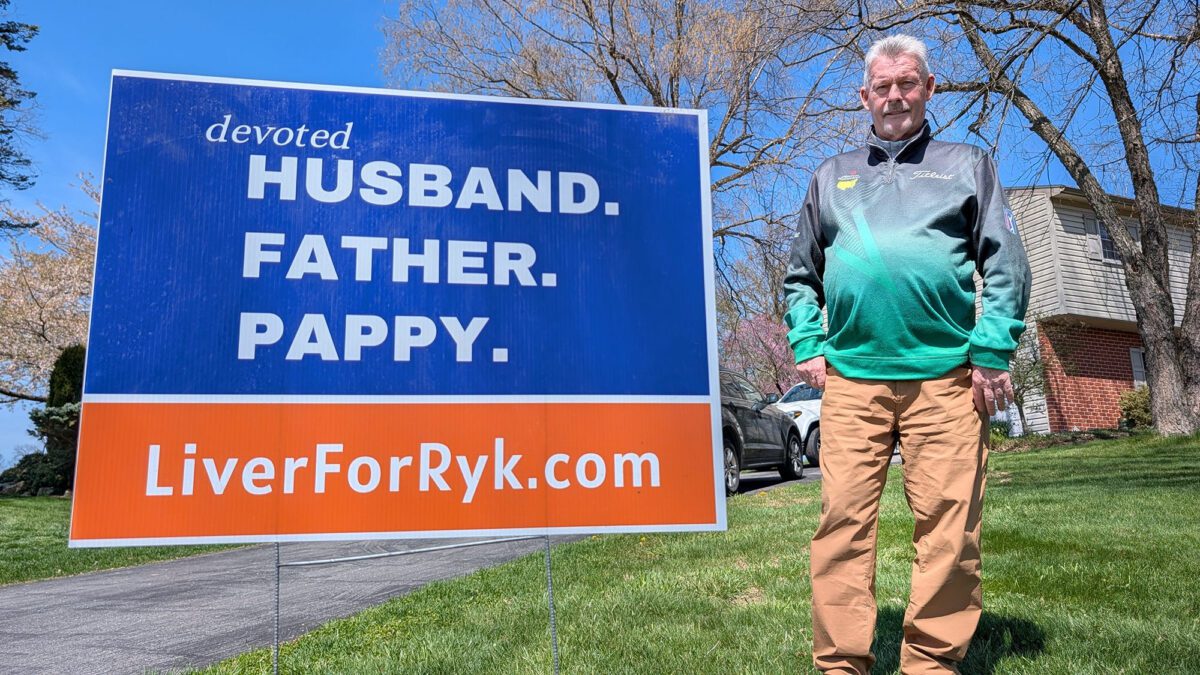
Ryk Smith with one of the yard signs his kids asked people around York County to post in their yards looking for a liver donor. (Photo: USA Today Network)
In March, Ryk Smith went to the University of Pittsburgh Medical Center’s transplant center for a regular visit.
He had been on the transplant list since July 2025, when his liver disease had progressed to the point that a transplant was the only thing that would save his life. He had been waiting for a living donor, a person who would share part of his or her liver with him, giving him the chance to regenerate the organ.
They had a potential match, someone who was willing and able to donate 60 percent of his liver to Ryk. The only catch was, due to some personal circumstances, the donor would be unable to undergo the surgery until November or December.
The doctor told him, “You don’t have until November or December. You don’t have that much time.”
The doctor said he probably had a couple of months. Then it would be too late, meaning Ryk would be dead.
It was a gut punch. “We weren’t expecting to hear that,” said Ryk’s wife of nearly 37 years, Patty.
Sitting at the dining room table of the couple’s Lower Windsor Township home, 62-year-old Ryk said, “Then I started to worry. This is going faster than I thought.”
‘Ryk Smith Needs A Liver’
Perhaps, in your travels on highways and the information superhighway, you’ve seen something about Ryk Smith needing a liver.
From that day, his children and friends have been spreading the word, hoping that someone will step forward, get tested and be willing and able to donate part of their liver to Ryk.
They have put out some 50 yard signs – one home on East Prospect Road has four planted in the front yard – proclaiming “Ryk Smith Needs A Liver.” His daughter-in-law, Kelci, married to his namesake, Ryky, created a website, LiverForRyk.com. They created a Facebook page, an Instagram account and other social media postings. They circulated flyers to dozens of businesses and restaurants and even the beer distributor in Wrightsville. An anonymous donor paid for six billboards – in York and Lancaster counties – spreading the word that Ryk Smith needs a liver.
They are hoping that more people will learn about being a living donor and get tested and take the selfless step of giving another person a chance of living.
They came close a couple of times, but they haven’t found the right person.
‘You have to be a special person’
It’s not clear whether his liver disease is hereditary. He wasn’t a heavy drinker – one of the primary causes of liver disease. His father, Dick Smith, a Navy veteran who served during World War II, died of cirrhosis of the liver in June 2014 at the age of 89. His father was a teetotaler, he said. (Dick Smith had an irreverent sense of humor; his obit said he “‘assumed room temperature,’ as he often said.”)
A 2025 study by the Mayo Clinic discovered a genetic variant can cause fatty liver disease – officially known as metabolic dysfunction-associated steatotic liver disease. The disease can lead to cirrhosis of the liver, a disease with a high mortality rate, about half of those diagnosed dying within a year of their diagnosis.
While treatment and medication can manage the complications of the disease and slow its spread, a transplant is considered the definitive option for those entering the ailments’ end stages.
Livers from deceased donors account for most of the 9,000 or so transplants done every year, such procedures reserved for patients in the most dire condition, according to the federal Health Resources and Services Administration. Donations from live donors account for only about 6 percent of the total number of transplants.
It is difficult to find live donors. The operation consists of removing about 60 percent of a donor’s liver and replacing the damaged organ with it. The liver is unique; it is able to regenerate itself. Within three months, according to Penn Medicine, the donor liver and the transplanted section will grow back to 90 to 95 percent of its original size.
Still, it’s a fairly invasive procedure. The recovery period, according to Penn Medicine, is usually about eight to ten weeks. Donors are usually off work for a couple of months. (The good news is that the cost of the surgery is covered by the recipient’s insurance.)
Not many people are willing to part with more than half their liver to save the life of another.
“You have to be a special person to be a donor,” Patty said.
‘Things turned really serious’
Ryk Smith became Ryk in the first grade. There were two Rick Smiths in his class and the teacher, to keep them straight, told the other one that he’d be Rick Smith and that Ryk’s first name would be spelled R-Y-K. “It just stuck,” Patty said.
He grew up in Lancaster County and was a star baseball player at Hempfield High School. After high school, he went to Frederick Community College in Maryland and took classes at Hood College. He played baseball in college and once, over the course of a double-header, hit home runs in five consecutive at-bats. He later played for Hellam in the Susquehanna League for 10 years. (His son, Ryky, went to Penn State on a baseball scholarship and later played Susquehanna League ball for 19 years.)
After college, he returned to Lancaster County and got a job working for Sensenig Roofing in Ephrata, a family-owned company that does mostly commercial jobs.
He started out working as a roofer, and on April 17, 1996, he almost died on the job. It was a windy day, he said, and the crew was installing a metal roof at the Buck Foundry when the wind caught one of the panels he was holding and blew him off the roof. “It was like a sail,” he recalled. He landed on his right side on some insulation on the ground, something that probably saved his life that day. Still, the fall shattered his right elbow and broke both of his hips. “I was all messed up,” he said.
He was off work for two years, enduring multiple surgeries to repair his broken body.
When he returned to work, he went to work in the office as an estimator and project manager. He has worked for Sensenig for 41 years.
He had some health issues over the years. He was diagnosed with diabetes in his 40s, treating the disease with insulin and trying to control his diet. He likes candy too much, he said. “I’m a bad diabetic.”
In April 2017, he was diagnosed with fatty liver disease. “A lot of people have it,” he said. “I had to get an ultrasound once a year to keep track of it. I was not concerned at all.”
“I didn’t know it could turn into cirrhosis.”
Everything seemed OK – “I dealt with it,” he said – until COVID hit and he skipped his ultrasounds; the tests were cancelled because of restrictions in place to control the pandemic.
In May 2022, he was diagnosed with cirrhosis. It caught Ryk and his family off guard. “We just thought (fatty liver disease) was something a lot of people had,” Patty said.
He received treatment and medication. Among the medications is one that flushes the toxins usually removed by the liver from his body through his digestive system. Without going into detail, he said, “The side effects are nasty. But that’s our reality.” He also has to have his esophagus checked periodically for bleeding blood vessels, the offending veins and arteries tied off with tiny rubber bands to stanch the hemorrhaging. And the medications can damage his kidneys, and he has to have them checked periodically.
The disease also caused his body to retain fluid, which pools in his abdomen, he said, patting his belly. He has to have the fluid drained regularly, sometimes as much as three liters. He has to watch his water intake, but it’s difficult because his medications dehydrate him.
With his liver not working, toxins build up in his body. Ammonia gets into his bloodstream and goes to his brain, causing confusion, he said. He had trouble getting dressed, he said, and couldn’t remember how to put on his Skechers Slip-ins. He couldn’t remember who the president is. He once went to the bathroom and couldn’t figure out how to get out of the room. One of his grandsons, who was visiting, noticed that the lights kept flicking on and off in the bathroom and told Patty, “Poppy’s is turning the lights on and off.” He wound up in the hospital until that cleared up.
Last year, he started feeling bad in April. In May, he said, it got worse. In June, he wound up in the hospital for a week.
“That’s when things turned very serious,” he said.
In July, he was told he needed a liver transplant to survive.
He met with a social worker with the UPMC Transplant Center who asked him whether he was feeling depressed and whether he had any guns in the house. Ryk said he did have guns. The social worker told him to get rid of them. He told her, “I’m not going to shoot myself.” The social worker answered, “I’ve heard that before.”
‘I have a lot to live for’
Since he learned that he needed a transplant, his family has been searching for a live donor. He doesn’t qualify for a transplant from a deceased donor – not yet – as those organs go to patients “at death’s door,” Patty said.
The odds of finding a live donor are not great. Of those who register to become live liver donors, only 30 percent are accepted after going through the rigorous screening process. “If one comes available, we’re ready to go,” Patty said.
Once, at the hospital, he joked, “Maybe we could just buy a liver.” The nurse who heard him say that said, “Don’t ever say that again.” He told her he was joking. She said, “We don’t joke about that.”
They have heard from people who have volunteered to donate, but some of them are “too old or I don’t want their liver anyway,” Ryk said.
When he was touring the University of Pittsburgh transplant center, his tour guide was a woman who was a day from death when she received her new liver. She said in the days before her surgery, the doctors told her to “get her obit ready and make funeral plans,” Ryk said. “I’m not ready to make funeral plans.”
Some days are better than others. “Today is a very good day,” he said on April 9. “Some days, I can’t even get out of the recliner. Last summer, if I walked from my porch to my shed, I’d have to sit down three times.”
He said, “I’m not ready to die yet. But, on the other hand, I’m realistic that I could die.”
He has three children and five grandchildren and he wants to stay alive for them. He wants to watch his grandson play baseball and have a catch with him. An avid golfer – he was wearing a green Masters sweater with a Titleist logo on it – he wants to be able to play golf again. “I can’t do that now,” he said.
“I hope and pray someone steps up,” he said. “I got a lot to live for.”
Author

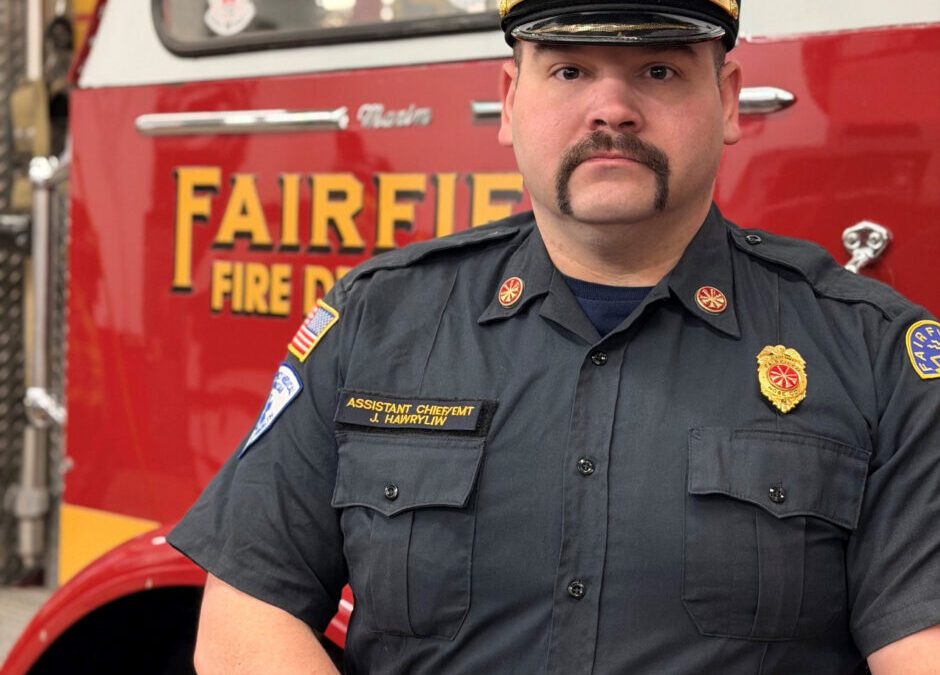
This volunteer firefighter comes from generations of service
Some volunteers aren't always behind a desk or in an office. Some are called to run into the face of danger while being part of a volunteer fire...
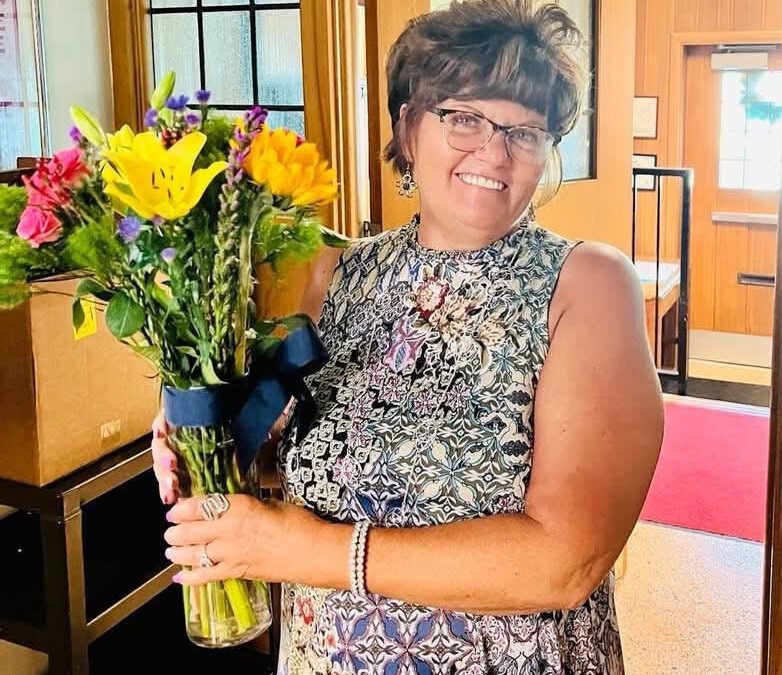
How these 5 volunteers are making a difference in the Erie community
Volunteers help keep the world running. Volunteers aren't just high school students looking for community service hours or retirees looking to...

Waynesboro dentist honored for service locally and around the world
Dr. Robert R. Zimmerman’s provided dental care not just to patients in his hometown of Waynesboro, but to impoverished people around the world for...
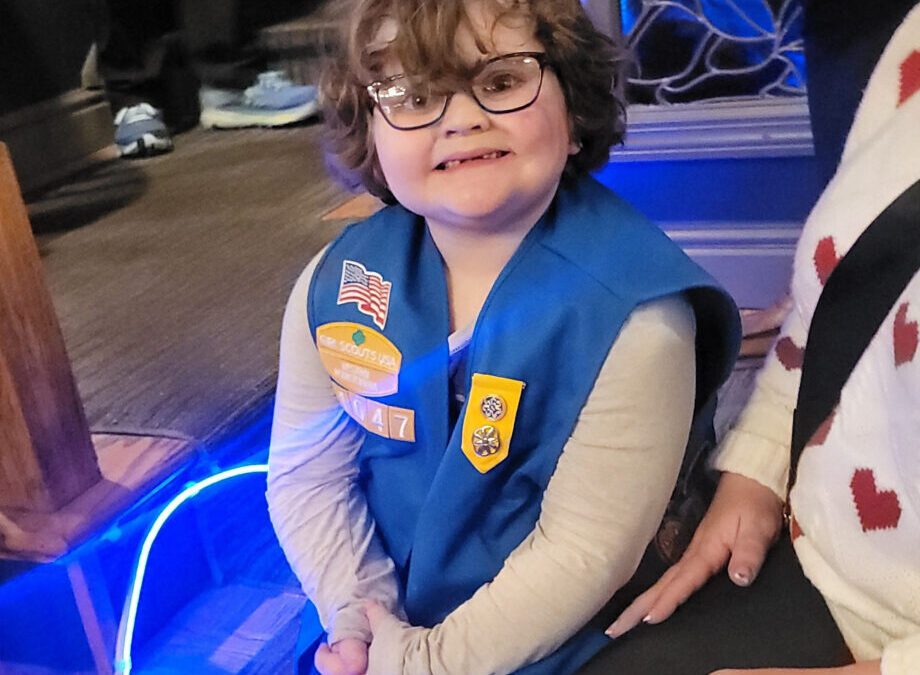
Meet Pim, the Girl Scout who gained internet fame for her cookie sales
A 6-year-old Girl Scout in Pittsburgh is absolutely crushing cookie sales this year and is well on her way to beating an all-time record. Following...
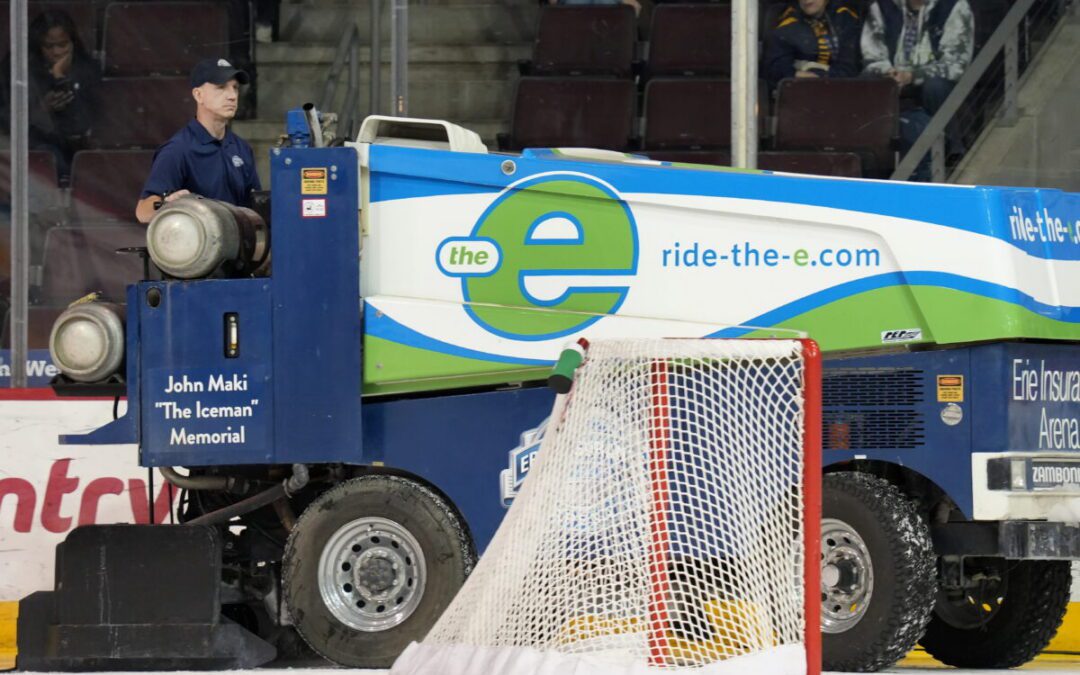
What it’s like to drive a Zamboni? Lake City man shares his story
One of the first things Tom Klep checks when he arrives for work at Erie Insurance Arena are the propane tanks that fuel the Zamboni machines. If...