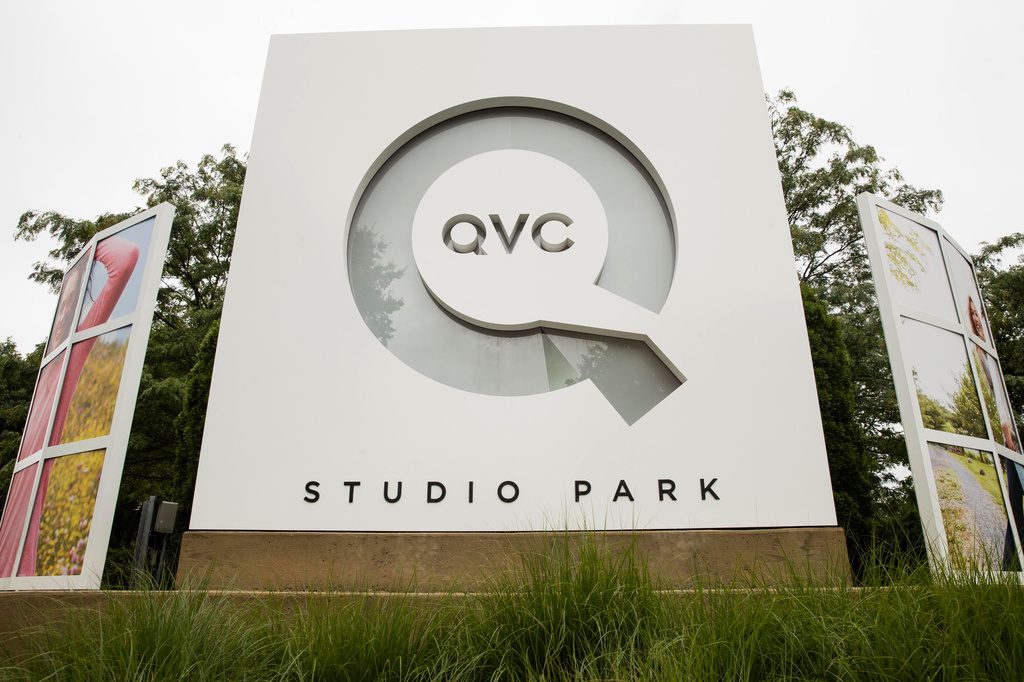
FILE - Corporate signage is shown outside a QVC facility in West Chester, Pa., Friday, July 7, 2017. (AP Photo/Matt Rourke, File)
The owner of home shopping network pioneer QVC, which for years garnered the attention of millions of TV viewers looking for a deal on baubles and housewares, is planning to file for Chapter 11 bankruptcy protection.
A filing about imminent bankruptcy protection by parent company QVC Group, which also owns HSN, formerly the Home Shopping Network, arrives as long-running TV shopping networks struggle to adapt to the rapid shift by consumers now tuning in to livestreams on TikTok, or online marketplaces like Shein.
According to an annual report filed with the Securities and Exchange Commission this week, the company said that it intends to file for Chapter 11 bankruptcy protection in the U.S. Bankruptcy Court for the Southern District of Texas after reaching a restructuring agreement with creditors.
Its goal is to emerge from bankruptcy protection before the summer is over, but the West Chester, Pennsylvania, company warned that its access to funding is difficult to predict. It noted significant fees and other costs in connection with the preparation for the bankruptcy protection.
“We cannot assure that cash on hand, cash flow from operations will be sufficient to continue to fund our operations,” it wrote.
QVC Group has attempted to revive flagging sales for some time, which in 2024 were down almost 30% compared with its peak of more than $14 billion in 2020. Shares in QVC Group, which went for over $900 a decade ago, were trading for less than $3 earlier this week.
Founded in 1986 by Joseph Myron Segel, QVC, which is short for Quality Value Convenience, built a following primarily of women aged 50 and older, according to Lawrence Duke, a clinical professor of marketing at the university’s LeBow College of Business. He said in a blog post that QVC benefited from repeat purchases by its base of viewers. But that group has aged and is shrinking, he noted.
And competition has increased substantially.
Consumers have increasingly dropped cable subscriptions and look less and less to scheduled programming, Duke said. Such programming has been replaced by live platforms such as TikTok Shop, where consumers can buy products touted by influencers with tens of thousands of followers on Instagram and YouTube. Low-cost marketplaces like Shein and Temu are also commanding more attention, Duke wrote.
QVC has significantly expanded its digital sales and expanded its presence on social media, but those maneuvers have fallen short.
QVC “competes in a crowded marketplace where attention is fragmented and switching costs are low,” Duke said.
Author


Hershey says it will shift back to classic recipe for all Reese’s products after criticism
Hershey said Wednesday it will use classic recipes for all Reese’s products starting next year, a change that comes after the grandson of Reese’s...

Learn why Pittsburgh was voted one of the best beer cities in the U.S.
Pittsburgh has a knack for brewing and drinking beer, as shown by the city's fifth-place finish in March for the Best Beer City in the U.S. by...
With $4.5B on the line, Pennsylvania businesses seek tariff refunds
“This is not a way to make the world a more just and equitable place for all,” said one Lancaster County business owner. The Bunyaad Marketplace in...

Bayfront hotel proposal: Erie City Council vote expected April 15
For roughly two hours, Erie City Council on March 18 heard arguments for and against a proposed new $32 million AC Marriott hotel on Erie's east...

This Pennsylvania wedding venue will marry up to 6 couples in a day
Do you and your significant other want to get married, but have zero desire to deal with everything that goes into having a wedding? Antrim Spring...