One in 5 ACA enrollees in Pa. drops health coverage as costs spike
About 85,000 Pennsylvanians have dropped their Affordable Care Act coverage for 2026 in the face of soaring premium costs from the expiration of federal subsidies.
About 85,000 Pennsylvanians have dropped their Affordable Care Act coverage for 2026 in the face of soaring premium costs from the expiration of federal subsidies.

Health policy changes in Washington will ripple through the country, resulting in millions of Americans losing their Medicaid or Affordable Care Act coverage and becoming uninsured. But there are still ways to find care.

Two new community hospitals in York County are expected to open in the spring, according to WellSpan's advertisements.

Financial instability could force closures at more than a dozen Pennsylvania hospitals in the coming five years if state policymakers fail to act and the industry’s economic climate continues to deteriorate, according to a new report commissioned by system advocates.

Thousands of Pennsylvanians have left the state’s only Affordable Care Act marketplace, Pennie, following sharp increases in monthly premiums due to expiring enhanced federal subsidies.

Overpowering Speaker Mike Johnson, a bipartisan coalition in the House voted Wednesday to push forward a measure that would revive an enhanced pandemic-era subsidy that lowered health insurance costs for roughly 22 million people, but that had expired last month.
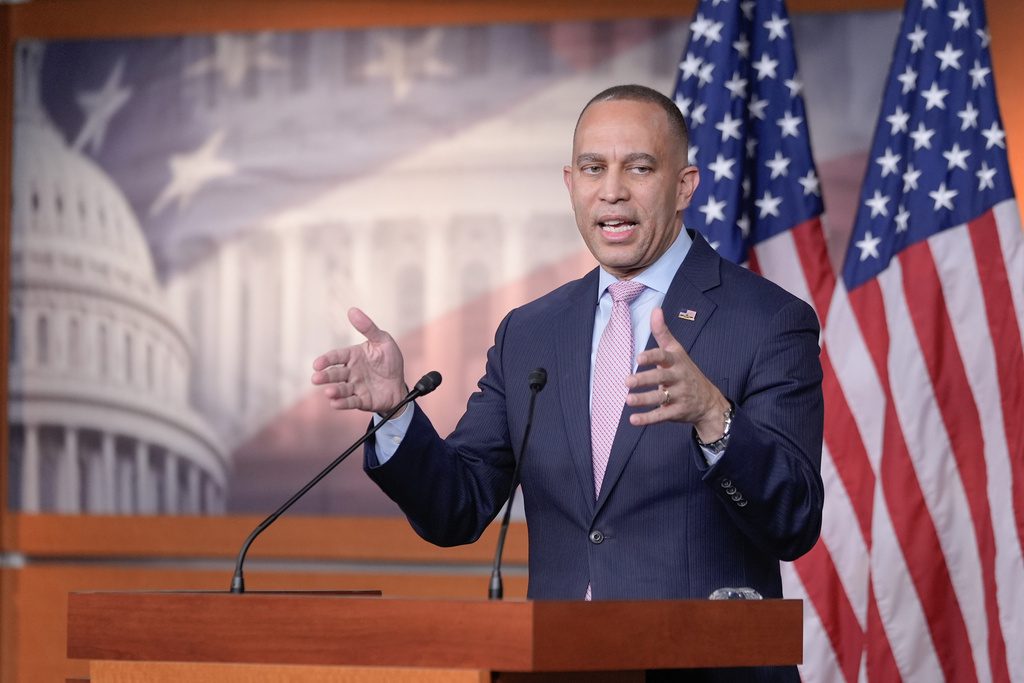
The stunning move came the same day that House Republican leaders pushed to passage a health care bill that does not address the soaring monthly premiums that millions of people will soon endure. Those premium hikes will occur because the tax credits for those who buy insurance through the Affordable Care Act expire at year’s end.

Pennsylvanians now have until Dec. 31 to enroll in the commonwealth’s health insurance marketplace.

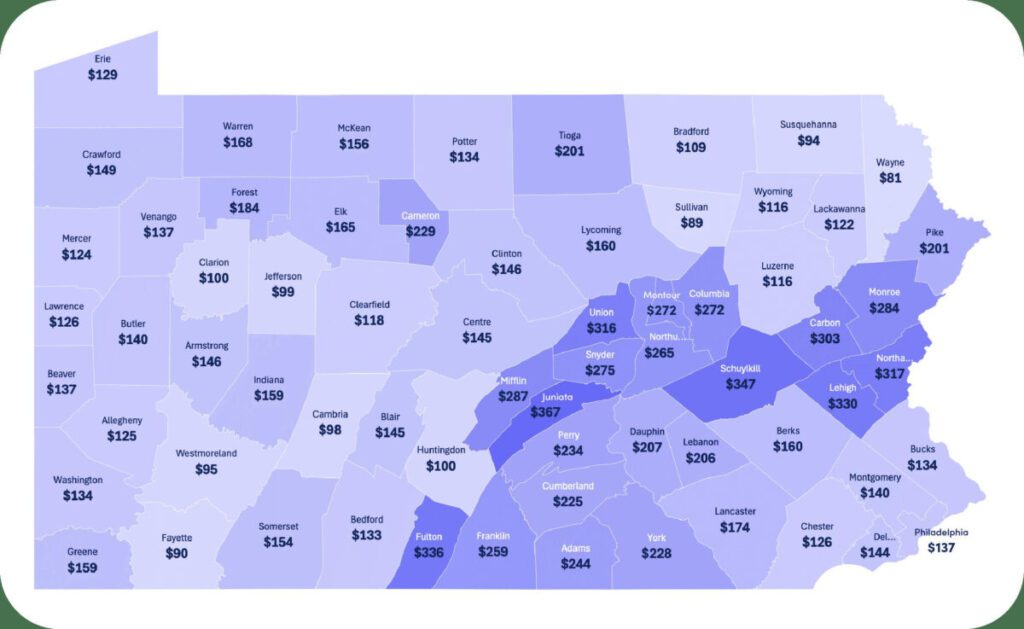
Federal tax credits that lowered the cost of Pennie insurance are due to expire at year’s end. The state estimates that enrollees will see their premium payments roughly double next year unless Congress acts to extend the subsidies.
Three million care workers, many of them Black and Latina women, could be classified as “companions” instead of professionals.