What it’s like to ride on an Erie trolley, and why there’s a new fleet coming in 2026
Here's what to know about riding the Erie Trolley, which have been operating since 2006.
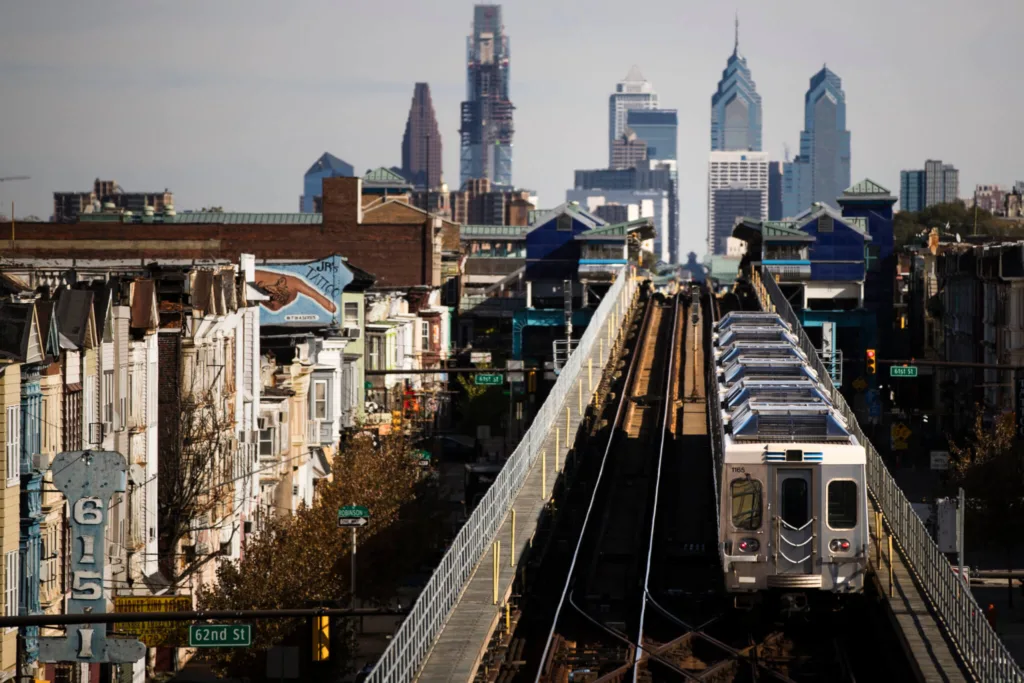
Gov. Josh Shapiro's administration on Monday approved the use of hundreds of millions of dollars in capital project funding for Philadelphia’s public transit agency to help it restore bus, trolley and rail services that it had eliminated to shore up its deficit-riddled finances.
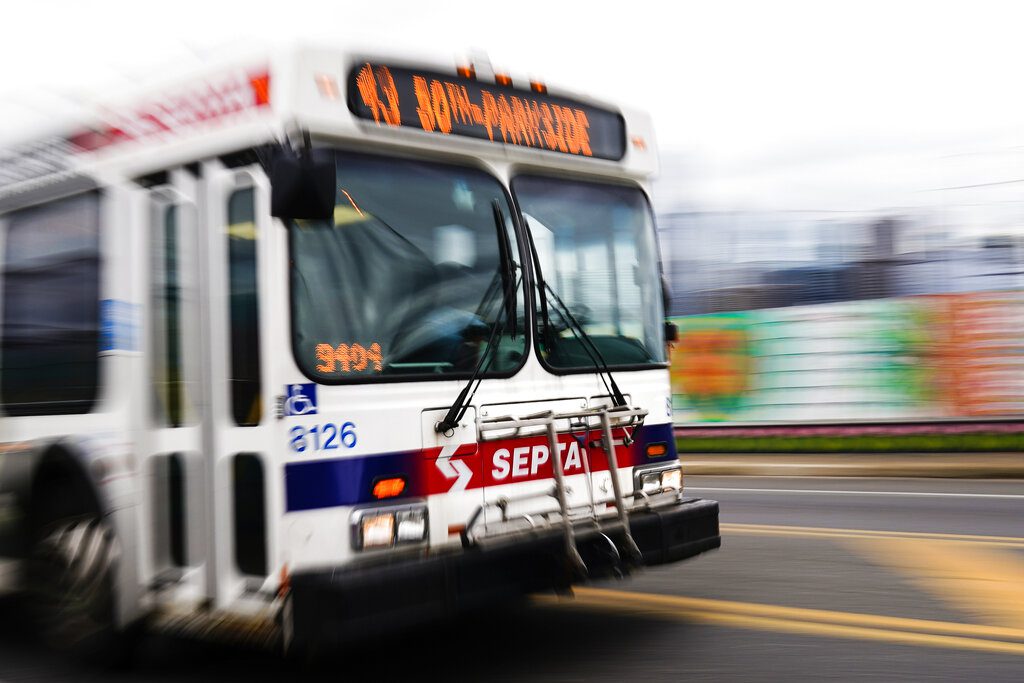
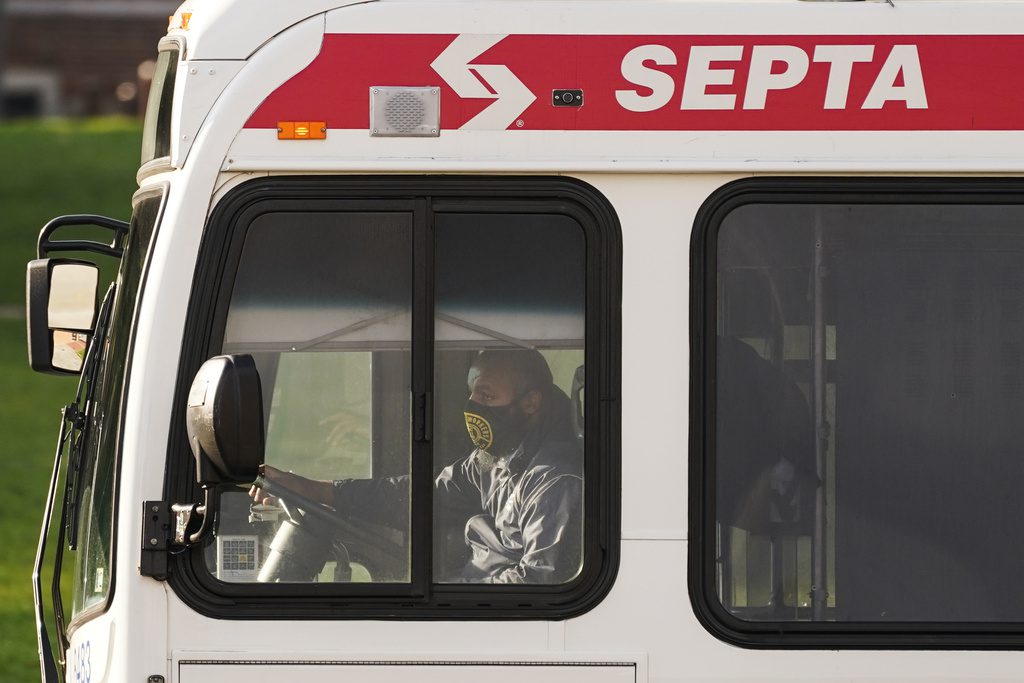
SEPTA has said its cuts this week amount to a 20% across-the-board service reduction to deal with a deficit of more than $200 million. Pittsburgh Regional Transit is considering a 35% service reduction to help close what it calls a roughly $100 million deficit this year.
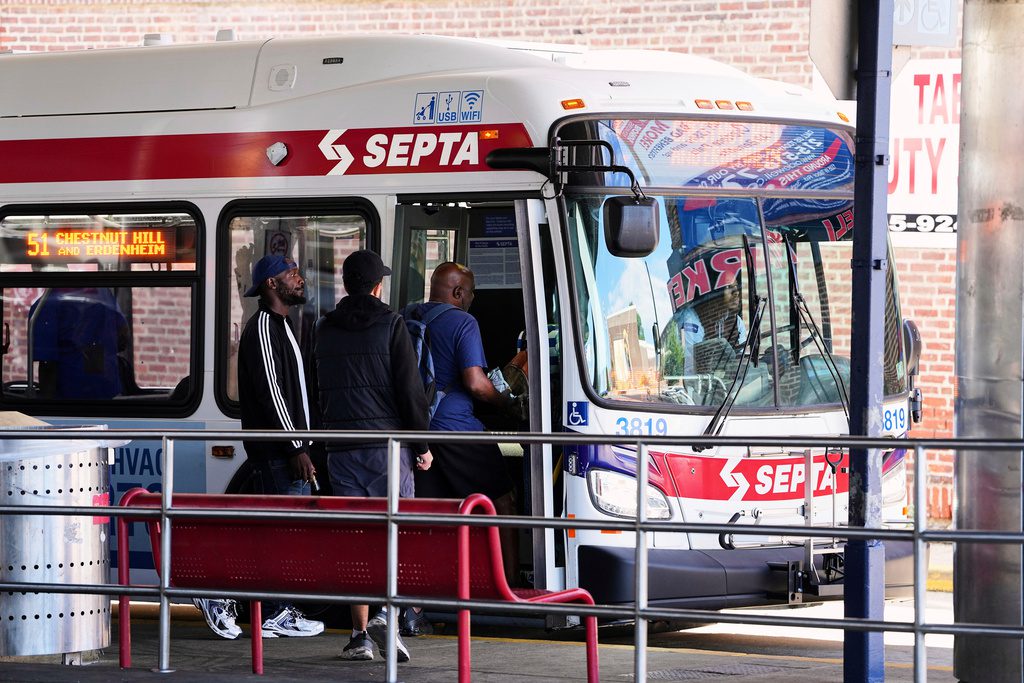
Without a budget deal, SEPTA cut services across all buses, subways, and trolleys by 20% starting on Sunday.
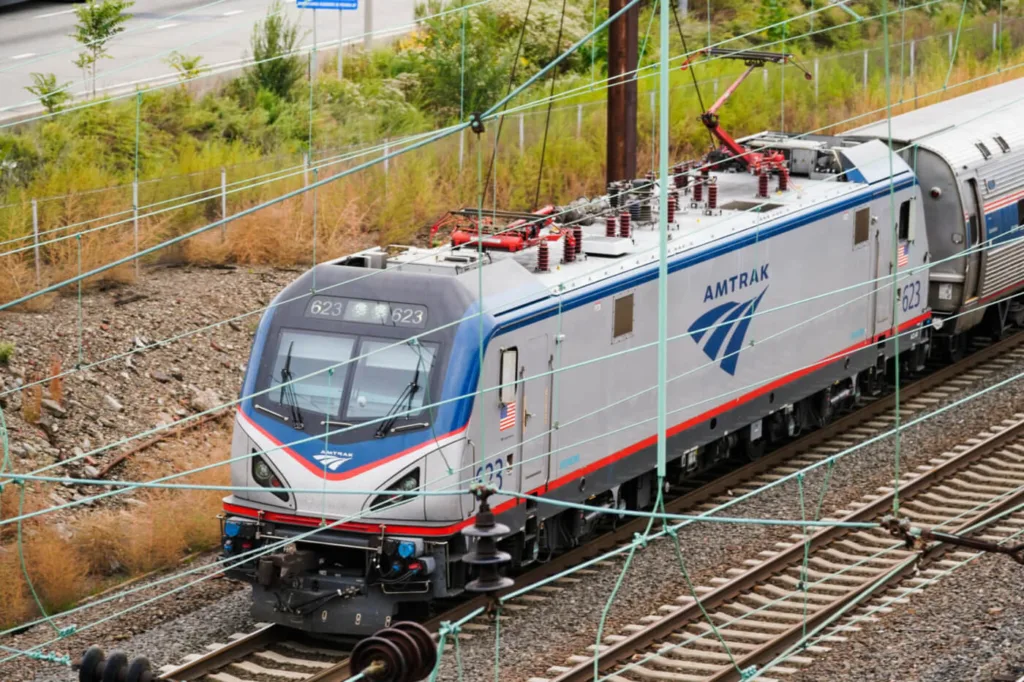
Rep. Brendan Boyle said the national passenger rail agency would lose $71 million if transit funding crisis persists
Barring a last-minute deal, the mass transit agency, which serves 800,000 riders daily in the greater Philadelphia region, will institute a 20% reduction in all services on Aug. 24, and fare increases on Sept. 1.
Around 1 million Pennsylvanians rely on mass transit daily in urban, suburban, and rural regions. In the Philadelphia region, where SEPTA serves around 800,000 riders each day, significant service cuts are possible if lawmakers in Harrisburg can’t agree on a funding package by Thursday.
The bill—which includes funding for highways, too—increases aid for transit agency operations by $292 million, or about 25% more, with the lion’s share of the money going to the Philadelphia-based Southeastern Pennsylvania Transportation Authority.
An estimated one million Pennsylvanians rely on mass transit each day in urban, suburban and rural regions.
“If they cut the 32 bus especially, there goes my job. There goes my place to live. It’d put my freedom on the line.”