One thing that I have noticed over the past several months, and is happening on a more frequent basis, is the number of times I’ve spent $100 or more on groceries and supplies for my apartment while visiting the supermarket.
Even when I’m not spending that much money on groceries, the increase in prices is becoming more and more noticeable. What used to cost me $25 or $30 now runs anywhere from $40 to $60, and these price increases are forcing me, and others, to make changes to my routine.
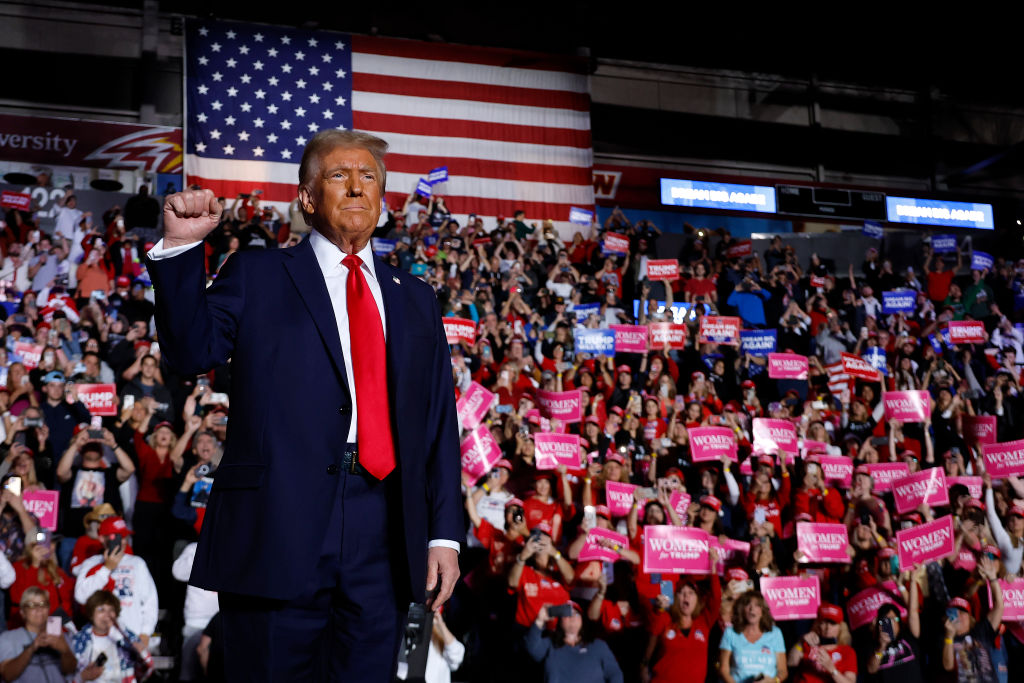
I don’t want to start off on a tangent, but Trump is kicking off his nationwide affordability tour at the Mt. Airy Casino outside of Scranton later on this evening, and I’m sure we’ll cover what he says in our next edition of the Keystone Labor Report.
With energy costs, electric bills and groceries prices on the rise, “affordability” is the buzzword de jour.
Democrats were able to effectively campaign on the issue in last month’s election while Trump called it a “Democrat scam,” a “hoax,” and “con job.”
Here’s a quick rundown on affordability in Pennsylvania:
🛒: Grocery prices are up 8.2% in Pennsylvania, the highest in the nation, according to Consumer Affairs.
📈: Electricity costs per average household in Pennsylvania are up 9.8% since last year, meaning that Pennsylvanians are paying an extra $170 per month, according to a recent report from the Joint Economic Committee.
🏥: Health care premiums for close to 500,000 Pennsylvanians, who purchase their coverage through Pennie, the state’s health care marketplace, are seeing increases of 102% once the Affordable Care Act tax credits expire at the end of the month.