
21 states started 2025 by raising their minimum wage. Pennsylvania wasn’t one of them
Pennsylvania’s minimum wage has been stuck at $7.25 since 2009. It’s the lowest minimum wage compared to all of the commonwealth’s neighboring states.
Pennsylvania’s minimum wage has been stuck at $7.25 since 2009. It’s the lowest minimum wage compared to all of the commonwealth’s neighboring states.

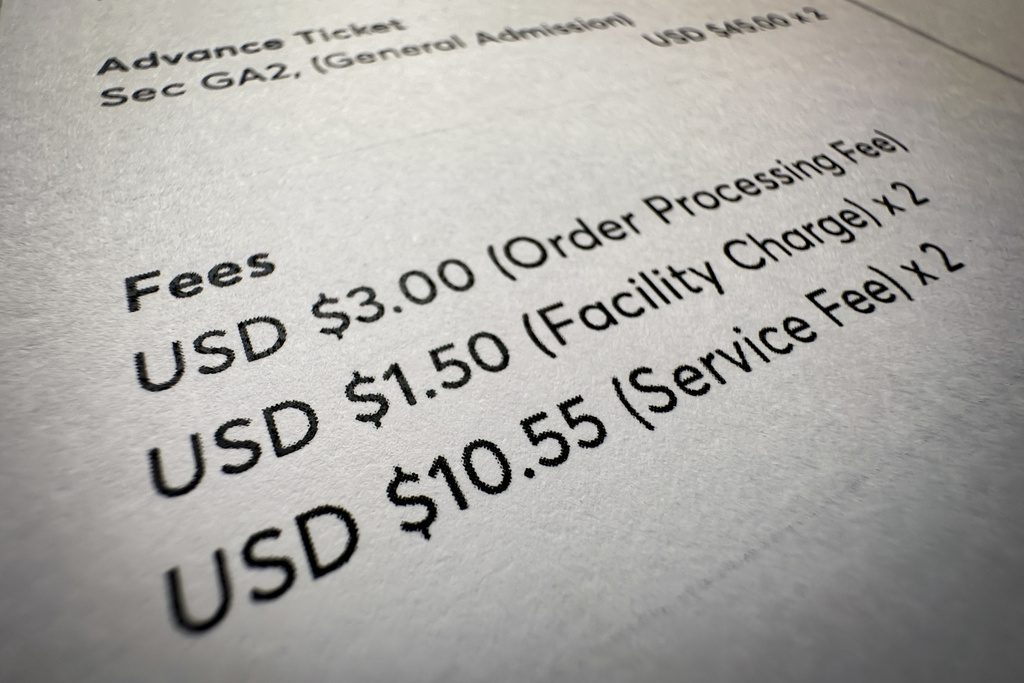
Now, live event businesses and hotels must clearly list their prices in both their advertising and pricing information.
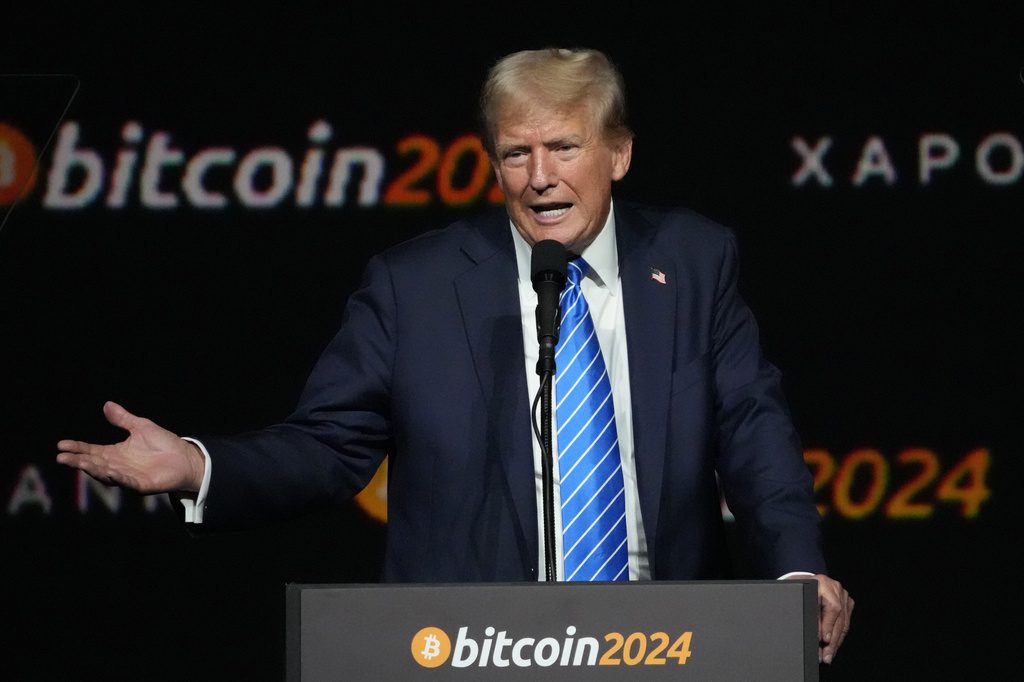
The new year will usher in the bitcoin-friendly administration of President-elect Donald Trump and an expanding lobbying effort in statehouses that, together, could push states to become more open to crypto and for public pension funds and treasuries to buy into it.
Research from the Urban Institute and the Private Equity Stakeholder Project found that hospital market concentration, as well as private equity’s expanding role in billing, tracking, and collecting payments for health care, is exacerbating the country’s medical debt problem.

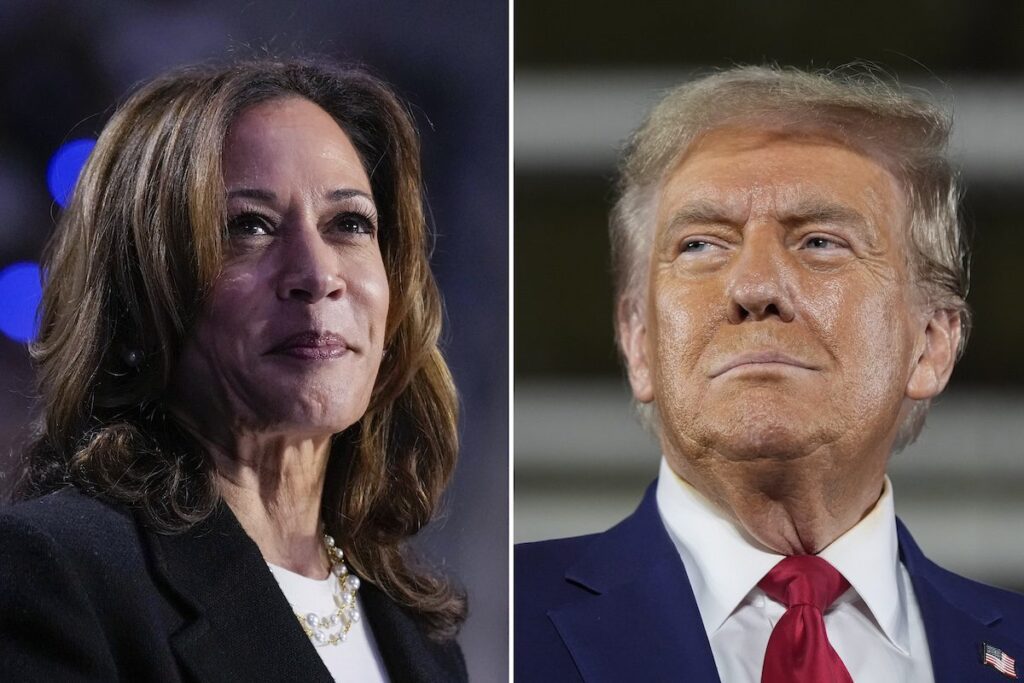
Harris has vowed to strengthen workers’ rights, expand financial support for the working class, boost opportunities for non-college graduates, and raise the minimum wage. Trump, meanwhile, has promised to implement tariffs on imports and repeal federal investments in clean energy, both of which would likely lead to job losses.

Vice President Kamala Harris intends to support small business owners and entrepreneurs by reducing their expenses and increasing their access to capital. Trump’s tariff proposal, however, could cause small businesses’ costs to rise.
Trump’s proposed tariff of between 100% and 2,000% on foreign-made cars entering the US would raise prices on both domestic and imported cars and “likely send thousands of US workers to the unemployment line,” according to Howard Gleckman, a senior fellow in the Urban-Brookings Tax Policy Center at the Urban Institute.
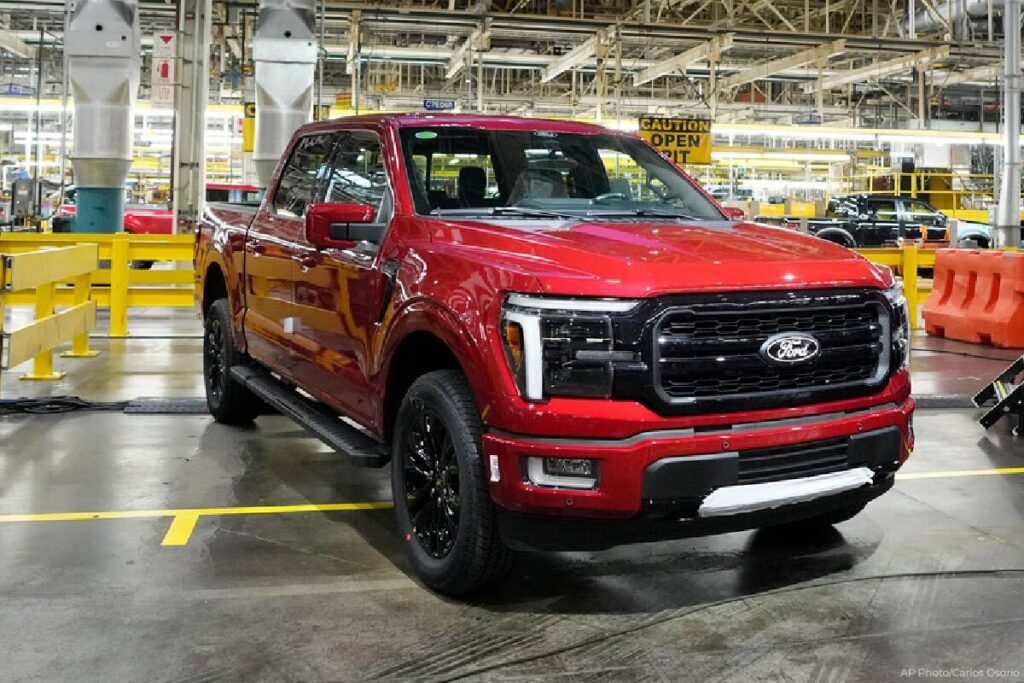
Trump’s plan would effectively be a sales tax that disproportionately harms working-class families and could cause a trade war that hurts US companies, economists say.

In response to the report, the Harris-Walz campaign released an analysis of its own, outlining how Trump’s agenda would raise costs for over 5.3 million Pennsylvania households by an average of $3,954 per year.
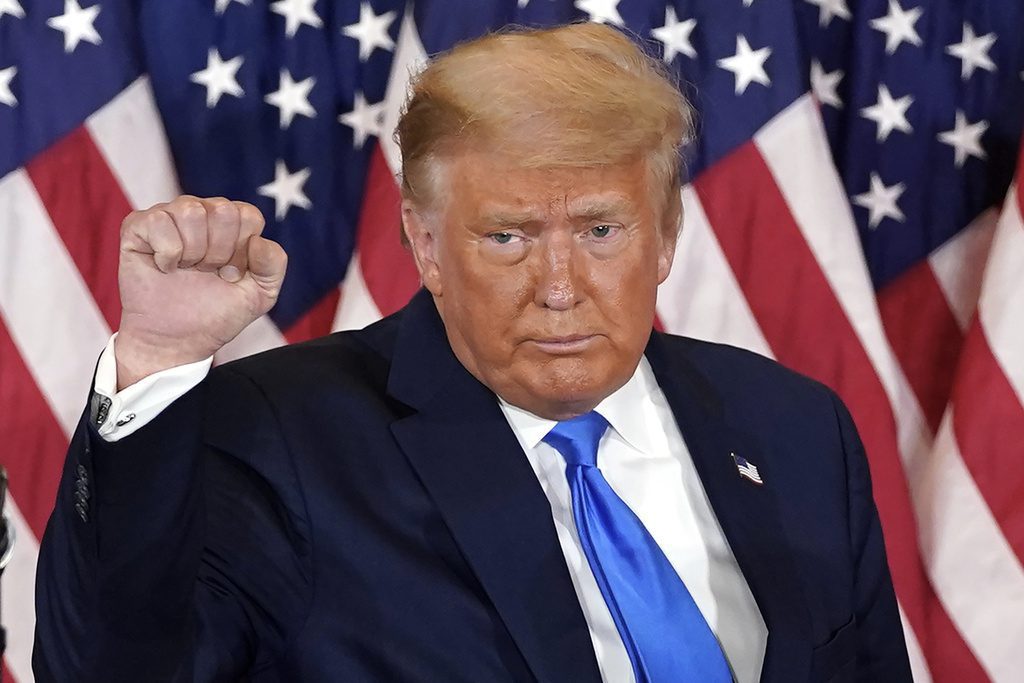
In this op-ed,Christina Jones,Deputy of Canvassing for For Our Future PA, highlights the rising cost of groceries, with Senator Bob Casey calling it greedflation and shrinkflation. Jones emphasizes her team's year-round efforts to address these issues and support candidates like Kamala Harris and Bob Casey, who prioritize working families over corporate greed.
