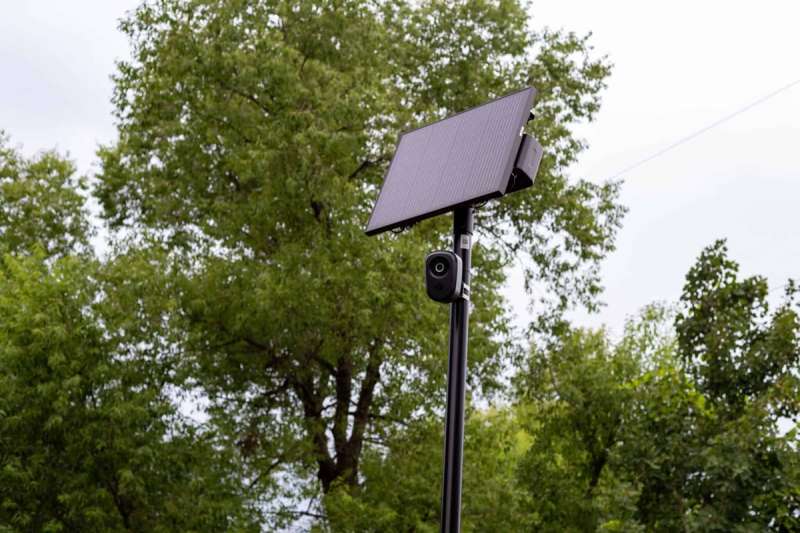
Over the past few years, Flock cameras have swiftly appeared along roads and in parking lots in Pennsylvania. Unlike speeding and red light cameras, which document specific traffic violations, cameras from private company Flock Safety take pictures of any vehicles that pass, using license plate information—along with time, location, and vehicle characteristics—to build large, searchable databases.
Local government agencies, businesses, and neighborhood associations contract with Flock and other automated license plate reader companies to install cameras that monitor passing vehicles—and Pennsylvania now has thousands of them.
A Flock camera locations map, compiled with open-source and volunteer data, lists at least 3,634 Flock and other ALPRs in Pennsylvania, with the true total likely higher. The cameras are found across the state, but most are clustered in urban areas. Indeed, more than 750 cameras are located less than 10 miles from Pittsburgh, according to the open-source map.
As the Flock footprint has grown, so has the backlash against what many see as mass surveillance. Pennsylvania lawmakers from both parties have introduced legislation to restrict or ban the cameras entirely, with Governor Josh Shapiro saying he doesn’t support their use.
But the pushback extends outside Harrisburg. Across the commonwealth, residents have signed petitions and packed local government meetings to oppose surveillance cameras in their communities.
Here’s why.
Flock cameras collect data on everyone, not just people suspected of crimes
Many Pennsylvanians have balked at what they see as surveillance without warrants. Civil rights group American Civil Liberties Union says companies like Flock are “trying to profit off invading our privacy” and notes that less than 1% of vehicles scanned by Flock cameras are connected to any crimes. Cameras also tend to be located disproportionately in communities of color, triggering concerns that the technology could reinforce existing patterns of overpolicing.
After Flock cameras were installed in the borough of Munhall, just outside of Pittsburgh, residents became wary of the constant surveillance. Nearly 500 people have signed a petition asking the borough to remove the cameras. “[T]hese cameras represent an invasive form of mass surveillance that tracks every vehicle without warrants or meaningful public input, eroding our privacy and civil liberties,” the petition reads.
Another Munhall resident put the issue in plainer terms. “It’s just weird to be watched,” she told Channel 11 News in Pittsburgh.
Residents worry their data can travel far beyond their communities
After vehicle information is uploaded to a database, it’s typically not just accessible to the local police department, but can also be seen by any law enforcement agency with a Flock contract, depending on the department’s sharing preferences. That has many people concerned about outside entities having access to their data.
In August, the Abington Township Police Department in Montgomery County said it would be ending its contracts with Flock, pointing to data privacy concerns. The move came after thousands of Flock searches from Abington Township showed up in a public records request in Illinois and were published online.
While the department said that the cameras had been helpful in solving crimes, it decided to seek another vendor due to what it sees as data security risks.
“We don’t want anybody’s data getting out into the public without their knowledge or permission,” a lieutenant at the department told The Philadelphia Inquirer.
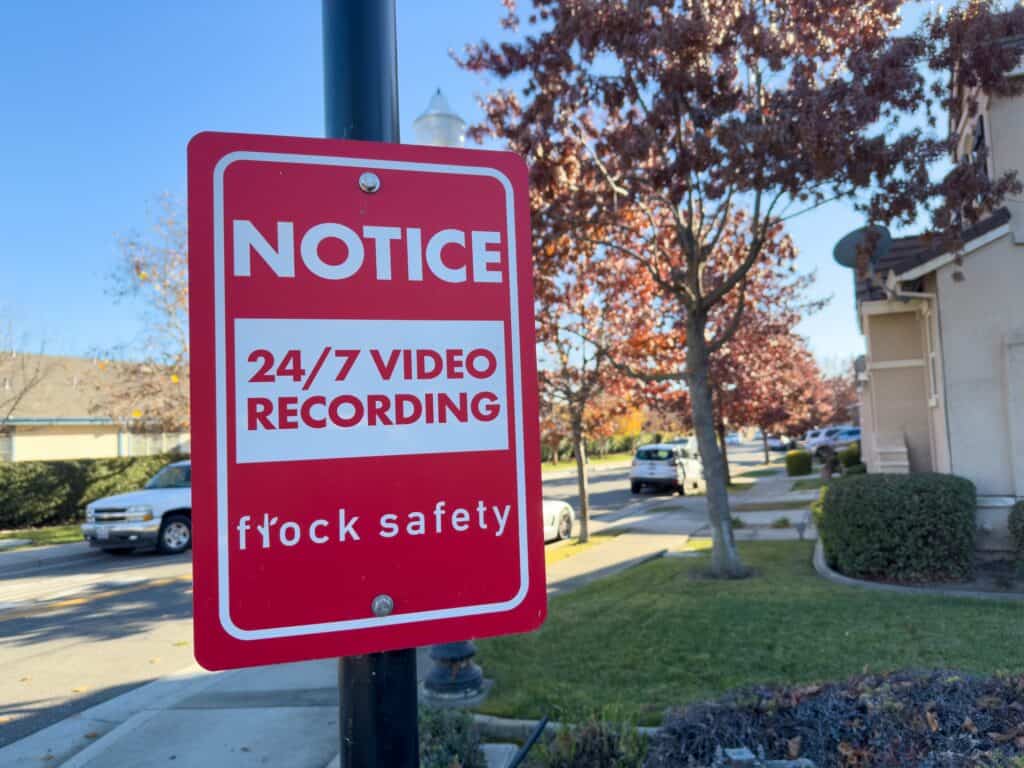
Camera data can be used for purposes beyond local crime-solving
Police searching through Flock data haven’t used it only to help them solve crimes. In several cases, officers have reportedly misused the tool to search location data for wives, girlfriends, and former partners. Critics of Flock cameras have pointed to a lack of regulation and transparency around the technology, with limited accountability measures in place for misuse.
Flock databases have also been used by federal agencies like ICE. While ICE doesn’t have a contract with Flock (though other ALPR companies do), the agency has gained access to Flock records through partnerships with local law enforcement as part of its immigration enforcement efforts.
This past year, residents of Millcreek Township and Erie pushed back against Flock cameras installed at the Millcreek Mall in Millcreek Township. At a public meeting in April, community members voiced fears about the Department of Homeland Security or Immigration and Customs Enforcement getting access to Flock data in Erie County.
To date, more than 1,400 people have signed a petition demanding the removal of Flock cameras in Erie County.
Some communities say there was little public input before cameras were installed
While jurisdictions and the company itself present Flock cameras as tools to improve public safety, the public doesn’t always agree—and many communities are frustrated with what they see as a lack of transparency and public input before the cameras were installed.
A series of Flock cameras were installed in Bethlehem in recent years, and a current petition to remove them from the city has more than 450 signatures. The petition argues that the cameras represent an “unsettling invasion of privacy” and were installed “without adequately informing the public.”
The petition also calls for community members to have a larger role in decision-making about surveillance and suggests alternative methods to promote public safety, like community policing.
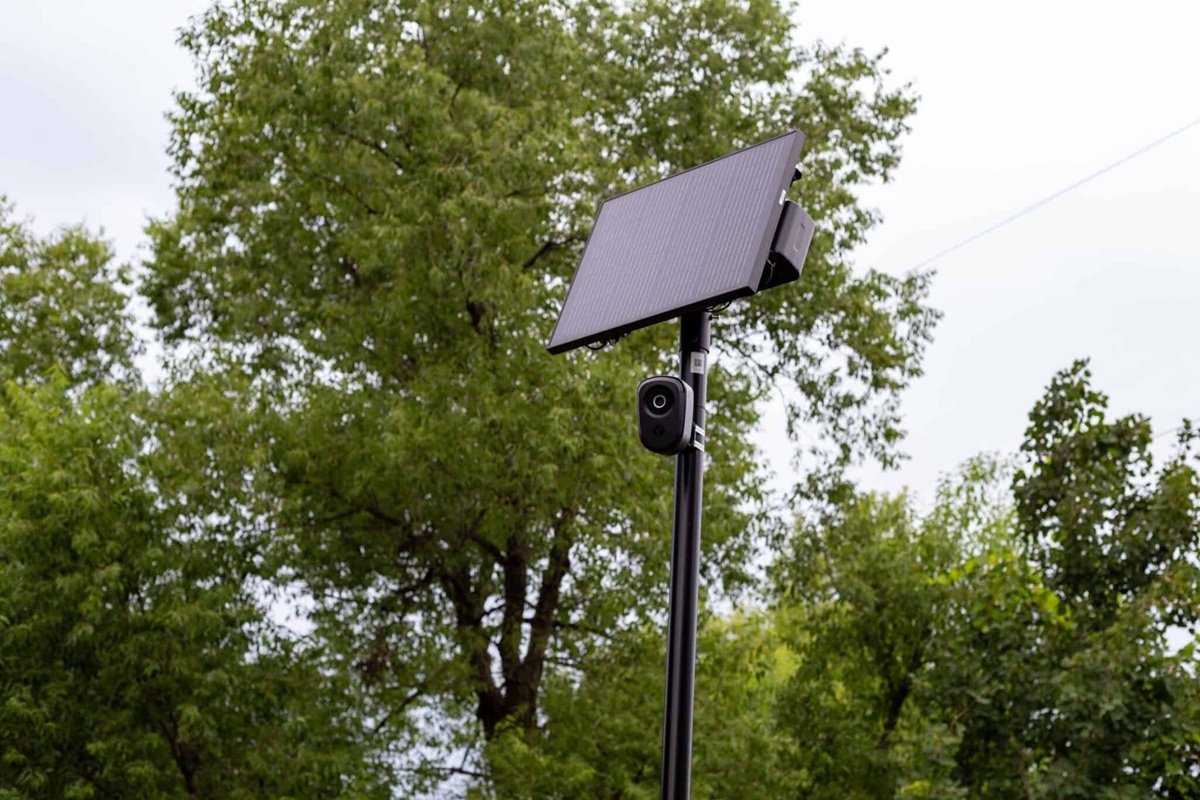
In Cumberland County’s Carlisle, residents had the opportunity to weigh in before cameras made an appearance—and the project was ultimately shelved.
In February, the Carlisle Borough Council tabled a proposed contract with Flock Safety following sustained community pushback. The proposal was indefinitely removed from the council agenda in May.
“My concern is that once we give up the freedom for our borough to control the data that is collected, just like any freedom, once it’s given up it is very, very hard to put that genie back in the bottle,” a Carlisle resident said at the February meeting.
This article first appeared on Good Info News Wire and is republished here under a Creative Commons license.
Related: Why Pennsylvania communities are pushing back against data centers