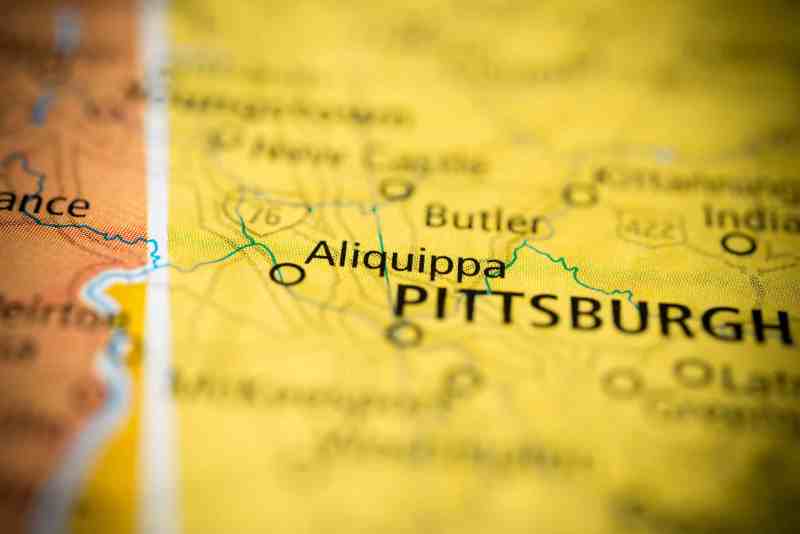
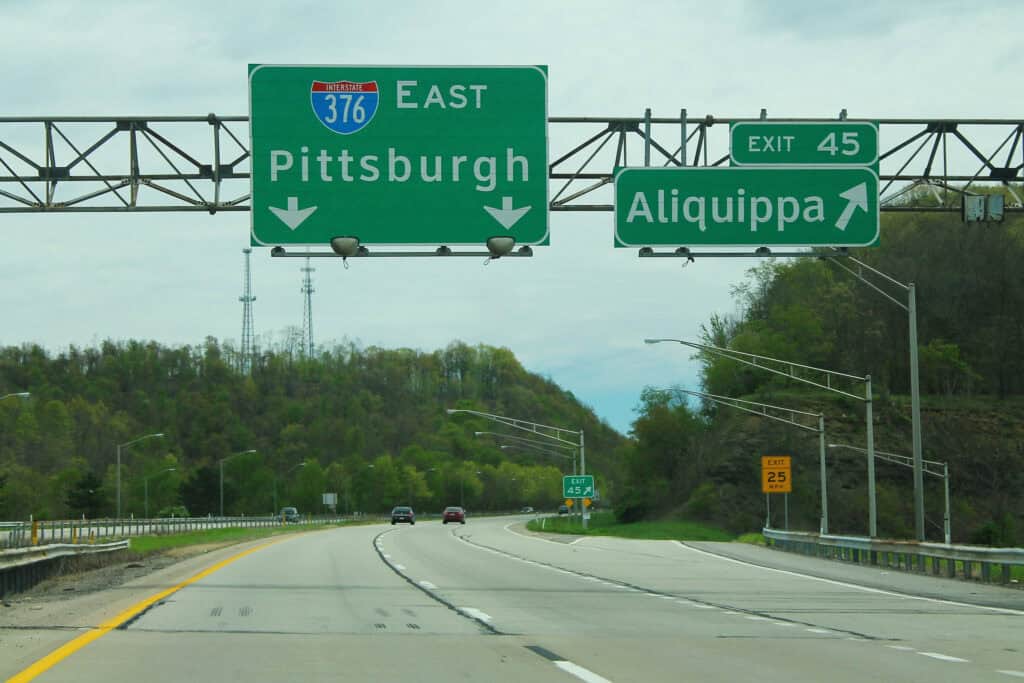
Tucked against the Ohio River just 18 miles northwest of Pittsburgh, Aliquippa is a small town in Beaver County with a surprising football legacy. Here, like many small communities in Pennsylvania and across the country, high school football is a way of life. The biggest Friday night games—like those when the Aliquippa Quips play against their long-time rival, the Ambridge Bridgers—can draw a bigger crowd than the city’s population of just over 9,000 people.
But unlike most small towns with strong high school football programs, Aliquippa has produced an extraordinary share of elite football talent. The city boasts several National Football League veterans, including four Pro Football Hall of Famers—Mike Ditka, Tony Dorsett, Ty Law, and Darrelle Revis—an astonishing legacy for a place that has never had more than 30,000 residents.
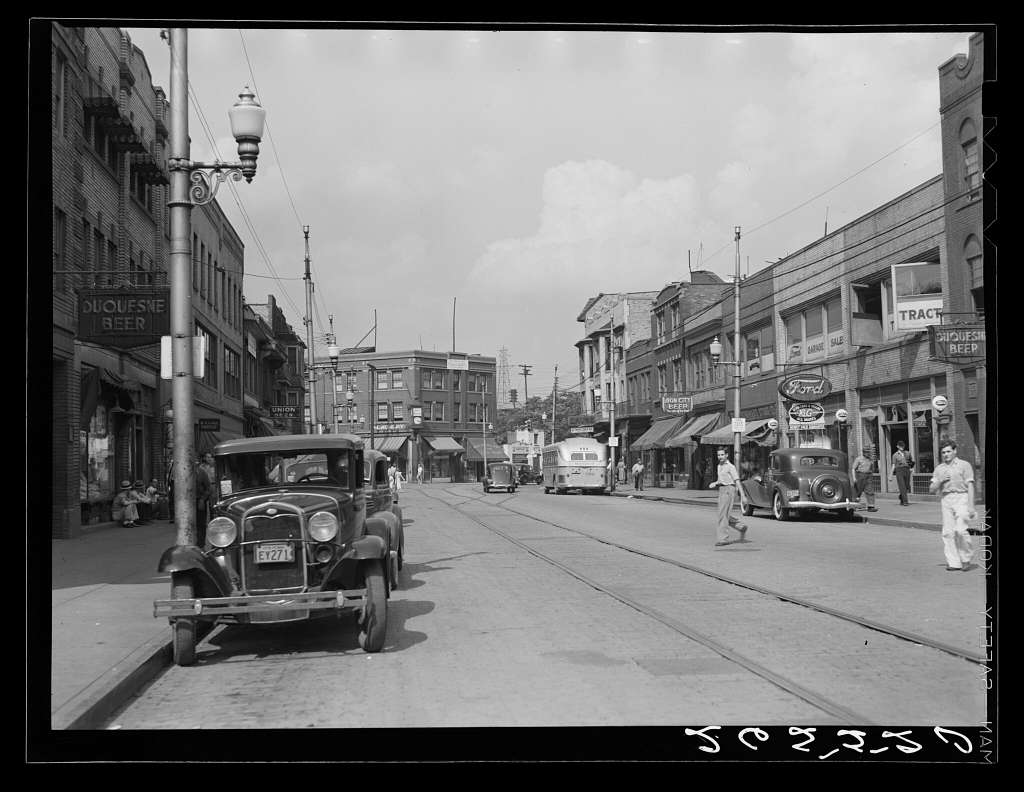
Aliquippa’s steel roots
Aliquippa’s story is similar to that of other communities surrounding Pittsburgh: It thrived as a steel town before the industry collapsed in the 1970s and 1980s. In the Pittsburgh area alone, at least 150,000 steel workers were laid off, and by 1990, the region’s population had been cut in half.
In Aliquippa, the Jones & Laughlin (J&L) Steel Corporation, which operated the seven-mile-long Aliquippa Works, merged with Republic Steel and began to close most of its operations in 1984, leading to an abrupt loss of more than 8,000 jobs—nearly Aliquippa’s population today.
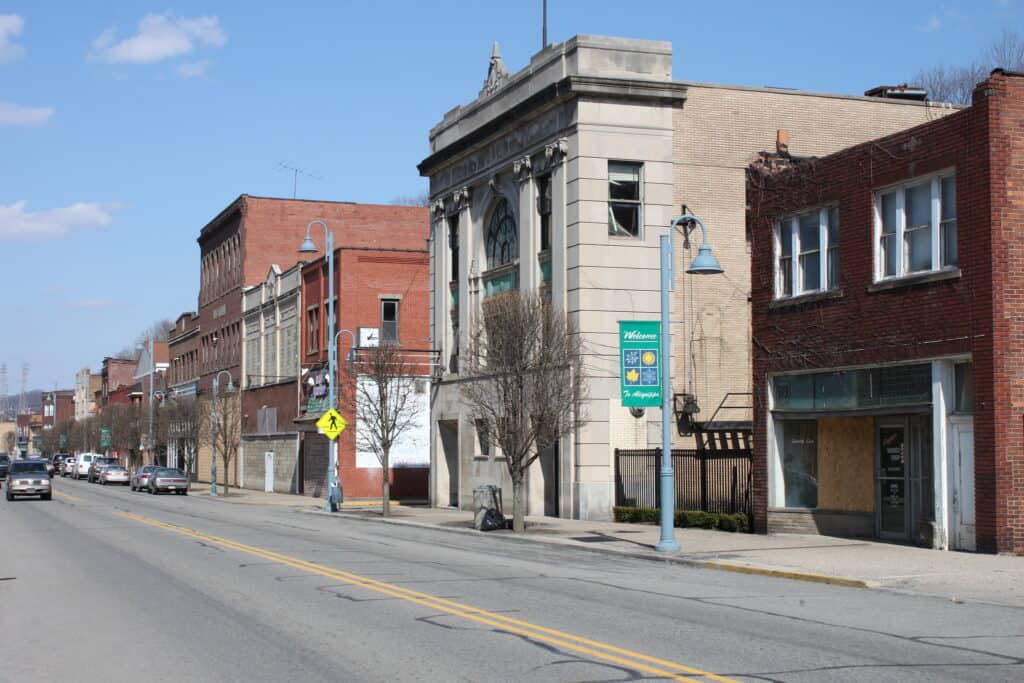
Many of Greater Pittsburgh’s post-industrial towns—Aliquippa included—are still recovering, with vacant downtowns serving as reminders of the past.
And yet, there was football. Even with a declining population—and declining tax revenue for the schools—the football program at Aliquippa High remained a heavyweight, while parts of the nearly 100-year-old stadium known as “The Pit” were condemned for lack of repair funds.
Last November, the Quips won their 21st football championship within the Western Pennsylvania Interscholastic Athletic League (WPIAL). Though the school has the enrollment numbers of a much smaller school, it played in the 4A division thanks to its prowess.
After all, three Pro Hall of Famers graduated from Aliquippa High, the most of any school in the country, with several more star players also having played in the town.
From high school to the NFL
Mike Ditka grew up in the other Aliquippa—the one with steel mill jobs. In the 1950s, before he was an NFL tight end, three-time Super Bowl champion, and coach of the Chicago Bears, he was a high school player at Aliquippa High School. But Ditka wanted to avoid the backbreaking, dirty work in the mills—a football scholarship to the University of Pittsburgh was his way out.
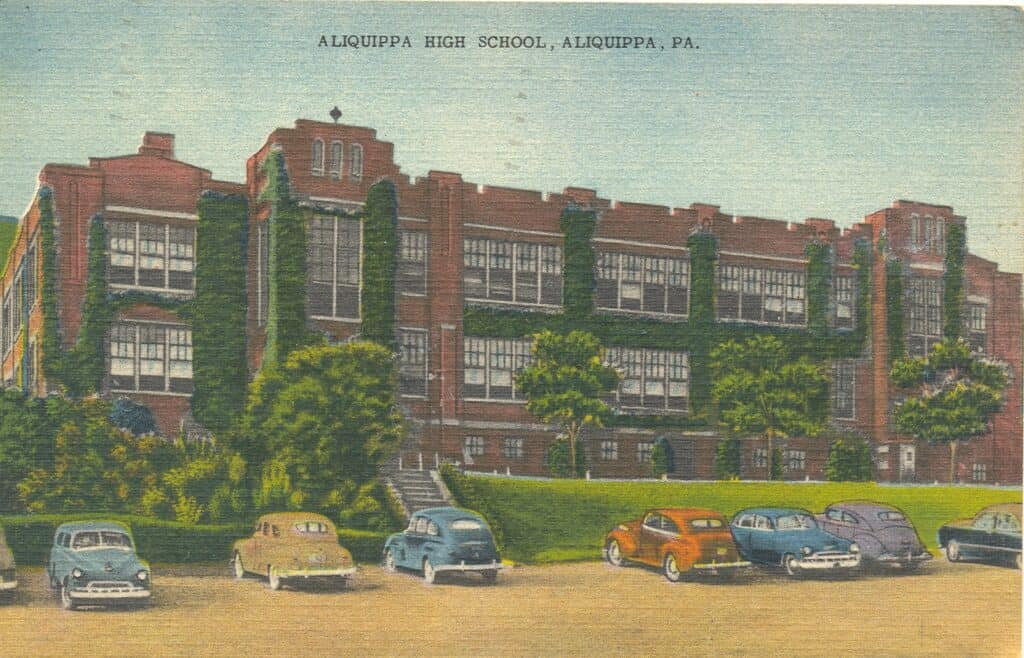
When Ditka earned his scholarship, it sent a message to other kids in the area. “That’s the first time the light came on: Maybe I can escape,” Don Yannessa, alum of Aliquippa High School and coach of its football team throughout the 70s and 80s, told Sports Illustrated in 2011.
The idea of football as a means of escape persisted across generations. “Come in the mill, you don’t know if you’re coming out,” former NFL running back and Aliquippa native Tony Dorsett recalled his father telling him, according to Sports Illustrated. “And if you do, you might be missing an arm or eye or leg. Do something better with your life.”
In the 1960s, the Aliquippa School District was mired in racist backlash to school integration, and the high school football program struggled. But Dorsett instead attended neighboring Hopewell High School in Hopewell Township, which shares a zip code with Aliquippa. He was one of a handful of Black students in a sea of white flight, but soon became a star football player.
Dorsett went on to join the Pro Football Hall of Fame, and in 2001, the high school named its football field Tony Dorsett Stadium.
Back at Aliquippa High, Coach Yannessa took over in 1972 and consistently pushed for integration. One of his former players, Sherman McBride—later a local coach himself—credited football with helping the town stabilize. “Football brought the families, the community, everything back together,” he told Sports Illustrated.
Yet as steel declined, players weren’t running away from jobs in Aliquippa, but the lack of them. With rising unemployment, drug use, and crime, football became one of the last functioning civic institutions in Aliquippa. The Pit—the football stadium—was a place where feuds died and the community could come together to cheer on its players.
It wasn’t always pretty, Aliquippa’s intense fandom.
Losing for Aliquippa was “like you’ve lost everything. Nobody in the damn neighborhood wants to talk to you,” Hall of Famer Ty Law recalled to S.L. Price in the journalist’s book on Aliquippa, “Playing Through the Whistle: Steel, Football, and an American Town.”
“Even in the pros, there was nothing they could say or do that I hadn’t already seen or wasn’t prepared for,” Law said. “Coach Parcells [former coach of the Giants and Patriots] is known for always messing with the first-round guys; he tried to give it to me every day, and I’m like, I’ve seen way worse than this.”
The Aliquippa legacy
In addition to the Hall of Famers, other Aliquippa High School alumni to take on the NFL include defensive tackle Sean Gilbert (uncle of former NFL cornerback Darrelle Revis), cornerback Tommie Campbell, wide receiver Jon Baldwin, and cornerback MJ Devonshire. More than two dozen football players from Aliquippa have been inducted into the regional Beaver County Sports Hall of Fame.
Meanwhile, former NFL linebacker Paul Posluszny graduated from Hopewell High School. And Pro Hall of Fame inductees Cal Hubbard, Jimbo Covert, and Joe Namath may not be from Aliquippa, but they are from Beaver County.
In Aliquippa, the success of former high school players fuels the aspirations of current students. Alumni who went on to the NFL also regularly show their support by returning to their hometown to share goodwill or make monetary donations to the school and families in the area. When Darrelle Revis was inducted into the Pro Football Hall of Fame in 2023, he paid for the entire Aliquippa High School football team to attend the ceremony.
The crumbling stadium at Aliquippa High was razed in 2022 to make way for a new, multimillion-dollar stadium, funded in part by donations from Kraft Heinz and the NFL Foundation. (The new stadium was dubbed “Heinz Field,” the former name of the Pittsburgh Steelers’ stadium, which was renamed Acrisure Stadium in 2022.)
“We must act as if lives depend on this football program,” Mike Warfield, the current coach of the Quips and the first Black coach of the majority-Black team, said at the 2018 school board meeting where he was named to the job.
“Because they do.”
This article first appeared on Good Info News Wire and is republished here under a Creative Commons license.
Related: 2026 NFL Draft in Pittsburgh: What to know before you go