By Danielle Smith
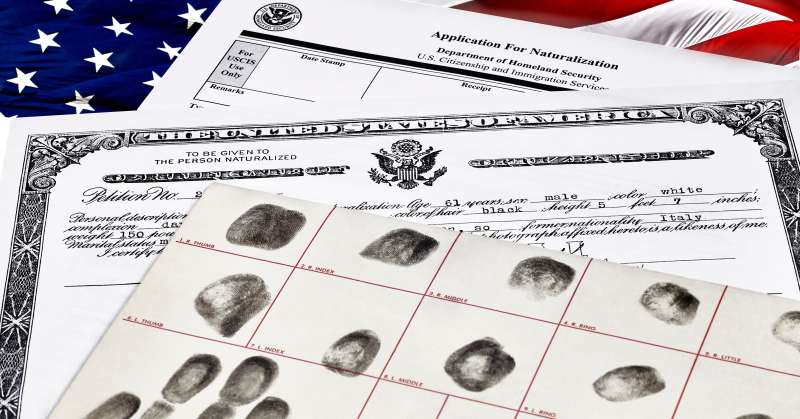
Immigration attorneys and advocates say a series of changes to the U.S. citizenship process is slowing, and in some cases freezing, citizenship pathways for thousands of immigrants across Pennsylvania.
Lori Alexander, MSW – the director of the Citizenship and Family Unification program at HIAS Pennsylvania – said many eligible people are now afraid to apply for citizenship. She said delays in interview scheduling and oath ceremonies are leaving others in limbo, with few applicants getting face-to-face time with the appropriate government staff.
“We’ve only had four people interviewed since December, and I think we’ve had six or seven people have their oath ceremony since then,” Alexander said. “So things are just really, really moving slowly. It seems to be on purpose to prevent people from becoming citizens soon.”
Alexander said the situation is even more difficult for applicants from countries subject to travel bans. She said they may eventually receive interviews, but final adjudication of their cases has been halted with no timeline for resumption.
She also pointed to a new citizenship test and the Trump administration’s effort to end birthright citizenship as contributing to uncertainty.
The White House says changes to the system are meant to hold people accountable for application omissions, including fraud allegations.
Alexander said a new U.S. Citizenship and Immigration Services practice called neighborhood checks is also raising concerns. She said investigators are making unannounced home visits to applicants, sometimes early in the morning or on weekends.
In Philadelphia, Alexander said at least two cases have been reported, with officials questioning residents as part of fraud investigations.
“They’re especially looking at people who applied for medical waivers for the citizenship requirements, and it’s even more, I think, about people who’ve applied for fee waivers based on being low income,” Alexander said. “But they are asking about other aspects of the applications.”
Cathryn Miller-Wilson, HIAS Pennsylvania executive director, said she believes the changes are being implemented from a place of fear because citizenship allows people to vote. She said the policies could limit voting by “slowing down the applications” and “denaturalizing” people.
“So, they want to make sure that as few naturalized citizens as possible are prevented from voting,” said Miller-Wilson, “by slowing down the applications, by denaturalizing them.”
Miller-Wilson urged people concerned about citizenship policy changes to regularly contact their lawmakers. She said public pressure is critical, especially after 384 denaturalization cases were announced.
Miller-Wilson said she believes many of those cases are based on misleading claims.
Support for this reporting was provided by Carnegie Corporation of New York.
Related: Pennsylvania’s motor-voter system effectively screens non-citizens from voter registration