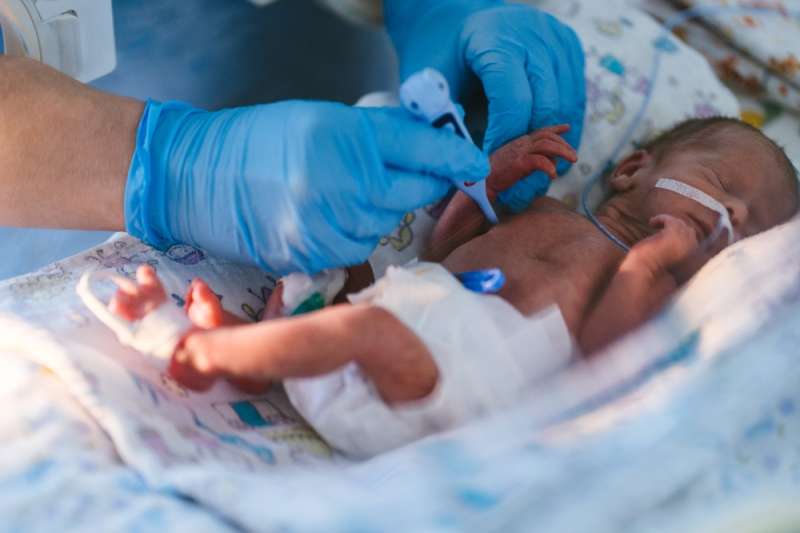
Just one in five rural hospitals in Pennsylvania provides intensive care for newborns, a far lower share than urban health centers in the commonwealth, according to new research.
The finding appears in a new paper that delves into how corporate takeovers and consolidations have changed medical care in the state’s rural communities, where dwindling populations and workforce shortages present particular challenges.
The August report by Pennsylvania State University researchers concluded these mergers have been a mixed bag for hospitals, giving rural providers connections with specialists and resources as part of the larger health system.
Still, rural hospitals overall have a “considerably lower” number of nurses and doctors per bed than their urban counterparts, especially ones that have become part of a larger health system.
They’re much less likely to have neurology, clinical psychology and podiatry services, according to the report. And only 19% of rural hospitals had specialized intensive care for newborns, compared to more than half of urban health centers, the data showed.
This type of care, the report noted, is “crucial in cases of premature, low-birth-weight or critically ill newborns.”
Higher mortality, lower readmission
Compared to urban hospitals, rural facilities have reported higher mortality rates for four major conditions: heart failure, stroke, kidney failure and chronic obstructive pulmonary disease (COPD). But they also had lower rates of rehospitalization in the 30 days after patients were discharged, the analysis concluded.
Those two metrics are often used to evaluate a hospital’s quality of care, and in this case, they stand in apparent conflict, the paper noted. Researchers called these results “concerning” and said further study is necessary to unpack the data points.
“It is possible that what we observed from these data may reflect barriers to care rather than better outcomes,” they wrote. “For example, rural patients may receive insufficient care in their initial admission or may face challenges in accessing subsequent acute inpatient care when readmission is needed.”
Lower occupancy rates
Rural hospitals tended to have more open beds than health centers in urban settings, highlighting one of the persistent financial challenges of keeping these facilities afloat, the report found.
Health systems face fixed costs for staffing and supplying their units, and if no patients are present, they’re doing so without reimbursement.
In 2023, urban hospitals had an average occupancy rate of 63%, while rural ones had a 47% rate, the report showed. Because of these challenges, the report’s authors acknowledged hospitals might have to sacrifice certain services in order to survive.
“Maintaining access to essential services — not necessarily preserving every service at every rural hospital — should remain a central objective of rural health policy,” they wrote.