On July 28, Nancy Johnson was eating lunch in the two-hour parking lot behind the Lebanon City Hall in her sedan. She used to call living in her car going “out for a stroll” after she lost her apartment back in late April.
“I couldn’t pay the rent, so I ended up homeless,” the 55-year-old said. “Spent most of my time curled up in my back seat with the air condition blasting … or slumming it in a tent in my trunk.”
Johnson told the Lebanon Daily News that she works at least two jobs, one of which is a fast-food establishment outside of the city. Yet between various medical expenses, insurance, her phone bill, and even basic necessities like food, it was always a “tap dance” on whether she could afford rent.
Her landlord said to file for housing assistance, or possibly even look for subsidized housing. But all Johnson could find was “waiting list after waiting list.”
“If it wasn’t for (friends), I’d still be sleeping in a parking lot around here,” she said, saying she found lodging in the beginning of July.
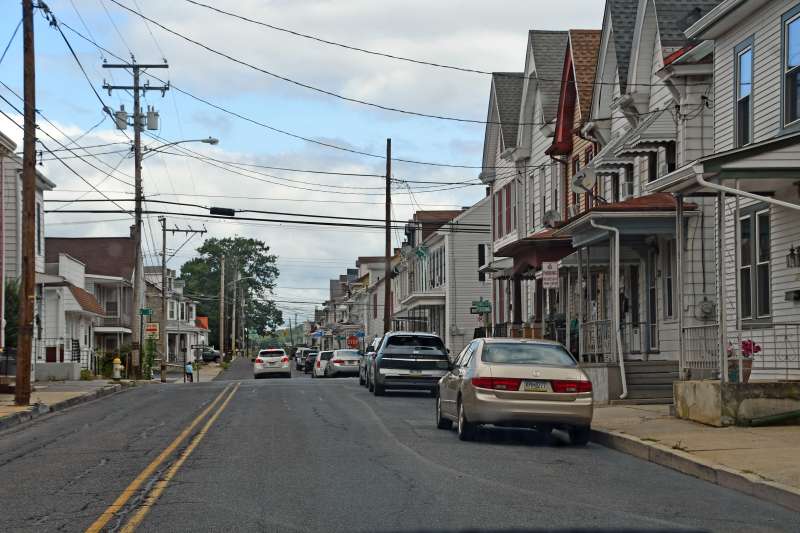
But Johnson’s housing struggles reflect growing problems in Lebanon County, which the Lebanon County Housing Collaborative has been highlighting through meetings with the Lebanon City Council and county commissioners.
“We know that we have a structural housing imbalance, and this highlights the accelerated household growth that is happening in Lebanon County, including with seniors 55 plus, although it’s happening across all age brackets and all income levels,” Caitlin Lockard, Lebanon County Housing Development Director, said to city council on July 27.
More than 13,807 Lebanon County households spend more than 30% of their total income on housing, according to Lockard.
“This is what we call cost burden households, and that’s where housing costs are so high that it leaves less room for other needs such as food, medicine, travel, healthcare, child care or emergencies,” she said.
Lebanon County housing statistics
The findings presented to city and county officials were part of an update to the Lebanon County Coalition to End Homelessness Housing Needs Assessment, originally introduced in 2023.
The update showed that more than 1,609 households in the county are living in substandard conditions. Lockard said these homes could have a number of issues, including overcrowding, kitchen/bathroom issues, gas leaks or lead paint.
“This does disproportionally affect people who are from lower income households and families who are living in poverty, which means that we need to take clear, immediate, coordinated action to address this,” Lockard said.
A survey of 38 multi-family rentals in May and June 2026 revealed that the market is operating at an extremely high occupancy rate of 99.6%. This was identical to the occupancy rate in 2023, and well above the average occupancy rate found in healthy, well-balanced markets.
“This means at 99.6% rental occupancy, renters have very few choices if they should choose to move, need to move, or are in substandard housing,” Lockard said.
Lockard said two- to three-bedroom units make up 79% of available units in the county, with average rents of $1,150 for a two-bedroom unit and $1,590 for a three-bedroom unit. Between 2023 and 2026, median market-rate rents by bedroom/bath configurations have increased between 8.6% and 19.2%.
With 136 available for-sale homes in May 2026, the market in the county is operating at 0.2% availability rate. Lockard said that a healthy market has between 2% and 3% range.
“This very low supply makes it harder to move, and also makes it harder to buy a first-time home,” she said.
What city and county officials are seeing with rental costs, substandard units, and low availability is a trend across the nation, but the impacts of the demand for low- and middle-income housing is having an effect on Lebanon County municipalities.
“Because there’s a shortage, landlords here in the city can charge more per unit,” Lebanon Mayor Sherry Capello said to city council May 27. “So you can go out to North Cornwall and get something brand new for less money than what you would pay here in the city for something that’s less desirable.”
This trend has been particularly hard for seniors, with the National Alliance to End Homelessness reporting that 2.35 million seniors nationally are paying more than half of their limited income on rent. That can mean on average 138,098 individuals 55 and older are homeless on any given night.
Over the past two years, the Lebanon Rescue Mission has seen unprecedented growth in the number of seniors 65 and older using its facilities. Seniors account for 30% to 45% of guests on a typical night, according to officials.
“The community through different resources are looking at how to address that, but it’s not just senior homelessness,” Lockard said. “We’re also looking at senior housing for all income levels.”
Leaders developing strategic plan to address housing crisis
The housing crisis in Lebanon County multiple causes, according to Lockard. Among those reasons are increased growth, limited availability of units and rising home prices.
“We’re trying to take every precaution we can to truly build out a strategic plan at the end of this calendar year that will address the wide variety of issues in Lebanon County,” she said. “That goes all the way down to homelessness and all the way up to housing for seniors.”
Housing development on average takes about 10 years to complete, with Lockard saying that just building houses alone will not solve the problem. Lebanon County’s housing problems requires multiple solutions both short term and long term to fully address the issue.
“It has to be working with the shelters for emergency needs right now. … It also has to be working with LCCM for Low Income Home Energy Assistance Program assistance to make sure people in their houses now who might be losing their housing are not losing their housing,” she said.
The Community Health Council of Lebanon County is gearing up for a special Point-In-Time Count, also known as PIT, starting at 6:30 p.m. on Aug. 6. Officials are also hosting another Let’s Talk Housing event 9 a.m. Sept. 10 at Lebanon City Hall for residents and community leaders to talk about housing concerns.
Lockard said the collaborative’s goals moving forward will be to get partners into the room to make actionable steps forward. This means having sound strategies moving forward with businesses, community leaders and government officials.
“The housing collaborative is not trying to mandate anything to anyone … we’re just trying to make sure everyone is on the same page and that we are making a really good plan moving forward so we can address all the levels of housing insecurity that there are in Lebanon County,” she said.
Residents looking for more information about the Lebanon County Community Action Partnership can call the organization at 717-273-0328. More information about the Lebanon County Housing Collaborative can be found here.