Another increase in Pennsylvania’s home prices drove the state’s median sale up to $340,000, representing a 6.2% increase from a year ago, according to the Pennsylvania Association of Realtors.
The surge in real estate prices indicates housing availability has not kept up with demand, underscoring the state’s housing shortage that dovetails with challenges surrounding affordability and cost of living.
More than 1 million households in Pennsylvania spend more than 30% of their income on housing, according to the state’s Department of Community and Economic Development. Median household income in Pennsylvania as of 2024 was $77,971, according to U.S. Census Bureau data.
How high can Pa. home prices rise?
Low inventory drives prices high, pushing potential buyers out of the market and making home ownership exceedingly evasive for average working people.
It pressures potential renters, too, since landlords can raise rents as demand exceeds supply across many housing types.
The average rent price in Pennsylvania rose from $1,013 in 2017 to $1,476 in 2023, a 46% increase, according to a paper published in 2025 by The Pew Charitable Trusts. It noted that the increase in rent is “much larger than the increase in wages and prices for other goods and services” over those six years.
Housing availability in June this year ticked up from May, although the nearly 46,000 listings across Pennsylvania were 3% less than June 2025.
Until housing stock catches up with demand, prices are unlikely to drop. Void of a crystal ball, industry experts are not sure how expensive shelter could become years from now.
“History bears out there’s a strong chance that it’s going to keep increasing until we figure out how to put more housing stock back into the market that’s more affordable,” David Dean, president of Pennsylvania Realtors Association, told USA TODAY Network Pennsylvania. “That, of course, has a myriad of reasons why it hasn’t been done currently.”
What can be done to solve Pa. housing issues?
Pennsylvania needs 450,000 new housing units by 2035, according to the state’s Department of Community and Economic Development. At current construction rates, the state will fall short by nearly 185,000 homes.
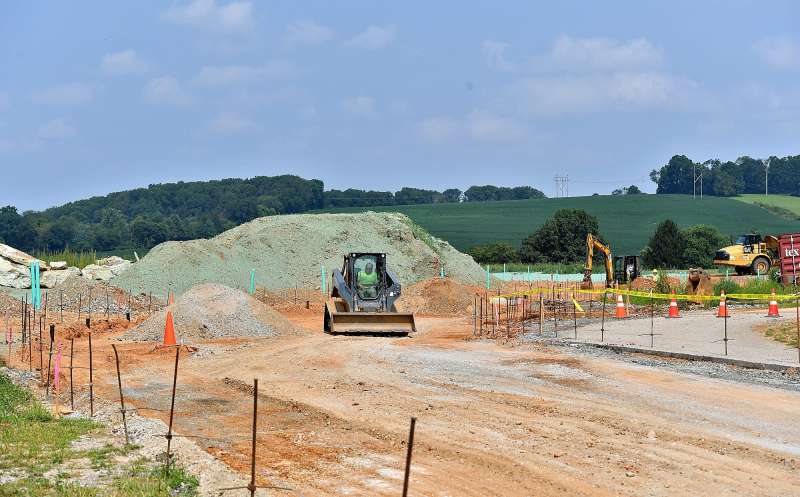
The construction industry, for numerous reasons, cannot build fast enough to keep up.
Expensive building material costs, permitting delays and varying municipal land use laws, known as zoning, complicate the dilemma Pennsylvania faces in what has been called a housing crisis.
The state could loosen regulations around permissions to build accessory dwelling units, like a converted garage apartment or in-law quarters, Andrew Kaye, past president for the Pennsylvania Builders Association, explained to USA TODAY Network Pennsylvania.
But Pennsylvania’s 2,555 municipalities control their own zoning, which makes it difficult, if not impossible, for the state to create uniform land use laws.
Local regulations as well as environmental and transportation regulations from the state make building costly and time-consuming before a shovel even hits the ground. This basically pushed out the small builder from the industry, said Kaye, who is the area chair for the National Association of Home Builders.
Historically, small builders would go into less-populated, rural areas to develop, Kaye said.
Smaller construction companies being boxed out of the market means there are fewer companies building. The ones building, Kaye said, face labor shortages.
This phenomenon was compounded by the fact that many companies went belly-up because of the 2008 housing crash. Now, Kaye said, they are gone.
“The system we’re in right now, why the housing market is like it is, is due to the lack of building for more than a decade,” Jessia Lautz, deputy chief economist with the National Association of Realtors, told USA TODAY Network Pennsylvania. “Coming out of the Great Recession, we did not build enough inventory to meet population demands.”
How could policy spur Pa. housing progress?
In the state’s 2026-27 budget, Gov. Josh Shapiro and the General Assembly included the state’s first ever Housing Action Plan.
The 52-page document lays out the state’s housing issues and envisions collaborations with affordable housing, construction, municipal and state stakeholders to implement reforms and cut red tape.
“Pennsylvania now allows for third-party environmental reviews and has implemented a money-back guarantee if state permits, licenses, and certifications are not issued within a reasonable timeframe,” reads the document that details zoning reform.
Kaye said the budget included “basically nothing” to help work toward a solution.
Shapiro’s proposal for $1 billion supported by bonds to go toward new housing, upgrades to old housing and other infrastructure projects for municipalities and schools did not make it into the budget.
“It was disappointing that nothing changed with regard to attainable housing,” Kaye said. “It had some great talk, but for right now, there has not been any kind of comprehensive change. How do you consolidate zoning when every township has control of its own zoning?”
In June, Shapiro announced increases in the Pennsylvania Housing Affordability and Enhancement fund, which allowed the Pennsylvania Housing Finance Agency to award more than $93 million for 432 affordable housing initiatives.
“The latest round of PHARE funding will preserve 1,662 affordable housing units, create 49 new single-family homes, and support more than 134,000 families in danger of homelessness,” Shapiro’s release stated.
In 2024, the administration secured a $10 million annual increase in the fund until 2027.
Since Shapiro took office in 2023, Pennsylvania has funded more than 1,000 projects to build or repair more than 8,200 housing units, launched a statewide right-to-counsel initiative for people facing evictions and piloted Pennsylvania’s first mixed-use housing development program.
Until the supply can meet demand, though, housing is unlikely to get any cheaper, Kaye said.
“Without anything to help us meet demand, and supply staying low, attainable housing in Pennsylvania keeps moving further and further down the line,” he said.