Lawmakers made a series of moves to advance a reported $50.1 billion spending, but few details have emerged.
More than four months after state lawmakers’ deadline to pass a 2025-2026 budget, a deal may be taking shape at the Capitol in Harrisburg.
Following hours-long meetings of both the House Democratic and Senate Republican caucuses Tuesday evening, reports emerged from multiple sources of a tentative agreement to a $50.1 billion budget, with some details still to be ironed out.
The final price tag is roughly $1.4 billion less than what Gov. Josh Shapiro asked for in his February budget address, and just shy of the $50.3 billion proposal House Democrats passed last month in an attempt to move closer to Republican demands.
Republicans have been firm that they want a budget that will not eat into the state’s $7 billion rainy day fund, while Democrats pushed to increase spending, primarily on education.
Late Tuesday night, the Republican-controlled Senate also convened to advance a handful of code bills directing spending related to education, human services and capital projects. There was no discussion of the contents.
Both the House and Senate are scheduled to meet Wednesday morning.
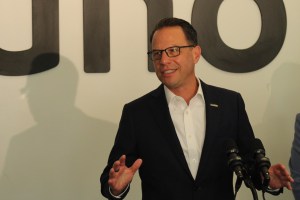
The movement on the budget came after a long impasse, which appears to have been broken, at least for the moment, in recent discussions between Gov. Josh Shapiro, and top legislative leaders – Senate Majority Leader Joe Pittman (R-Indiana), Senate President Pro Tempore Kim Ward (R-Westmoreland), House Majority Leader Matt Bradford (D-Montgomery) and House Speaker Joanna McClinton (D-Philadelphia).
Even a hint that the budget impasse may finally be resolved was welcome news for Pennsylvania counties, school districts and social service providers.
Many that rely on state funding have had to dip into savings or cut spending to make it through the impasse.
For some organizations that are contracted to provide human service programs funded by the state, it’s meant accepting low-interest loans from state Treasurer Stacy Garrity’s office. It was part of an effort her office established to help social service providers like rape crisis centers and domestic violence survivor support programs continue operating through the deadlock.
Still, the 4.5% interest on the loans was too much for some service providers. The Senate, however, has passed a bill that would allow the Treasury to forgive the interest on the loans, though the House has yet to act on it.