I hope everyone has been able to enjoy this holiday season with their family and friends and that you have a great New Year’s celebration before jumping back into the daily work grind.
I want to end 2025 by thanking everyone for following the Keystone Labor Report and taking some time to reflect on some of my favorite stories and articles over the past year.
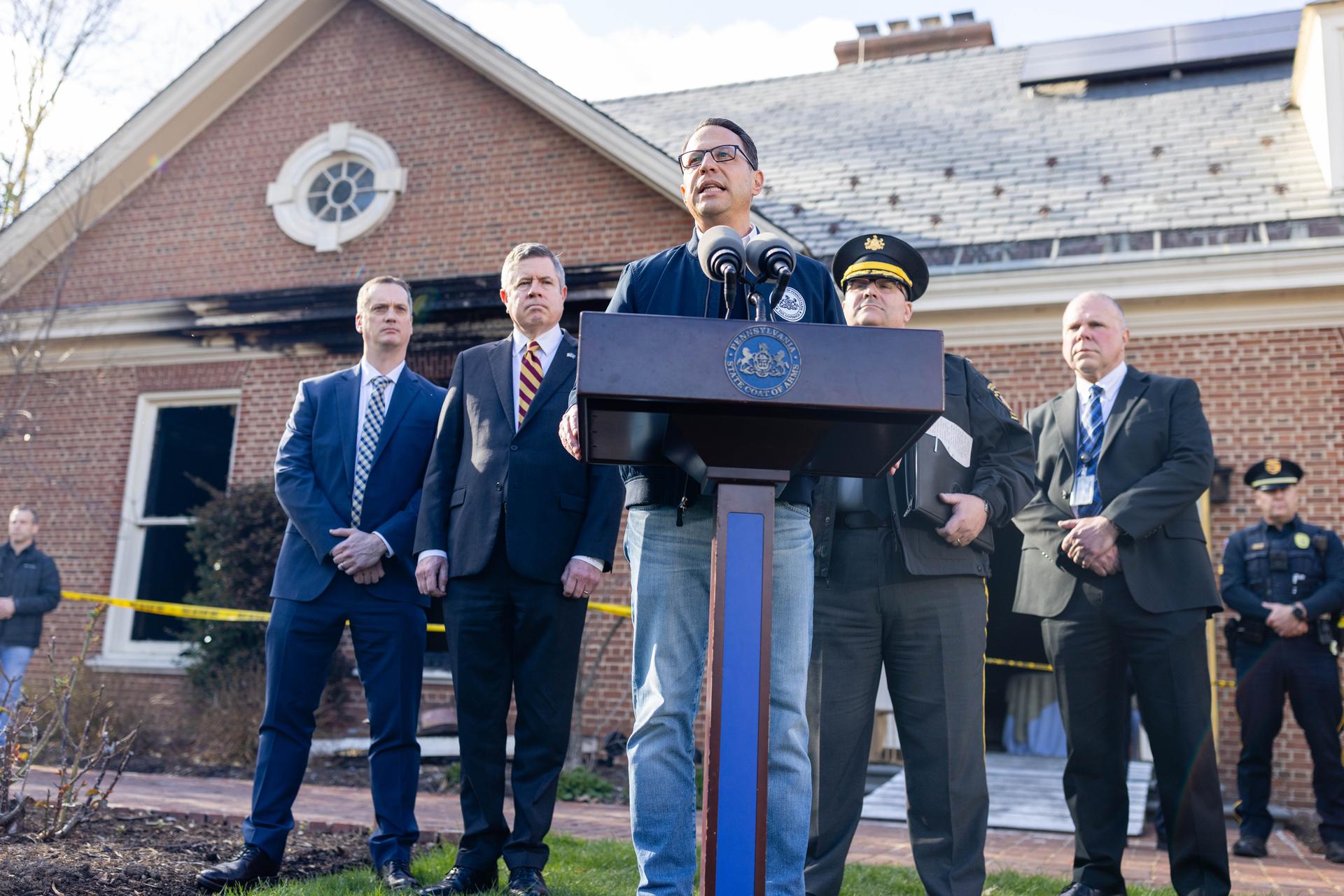
Covering the arson and the assassination attempt at Gov. Josh Shapiro’s residence and the fallout in the days that followed was one of the most harrowing experiences I’ve had working with The Keystone over the past two-and-a-half years.
I remember getting ready to go on a hike that Sunday morning, sitting at a traffic light, doomscrolling through Facebook, when I came across a post in a local neighborhood group about a fire at the Governor’s residence the night before.
Little did I know how much of a whirlwind that following week would be running around covering the story.
Earlier in the year, I reported how Elon Musk, DOGE head and CEO of X, attacked the federal government. One story that really took off was about the effect his cuts had on the Raystown Lake area, after the US Army Corps of Engineers closed its campgrounds in the beginning of the year.
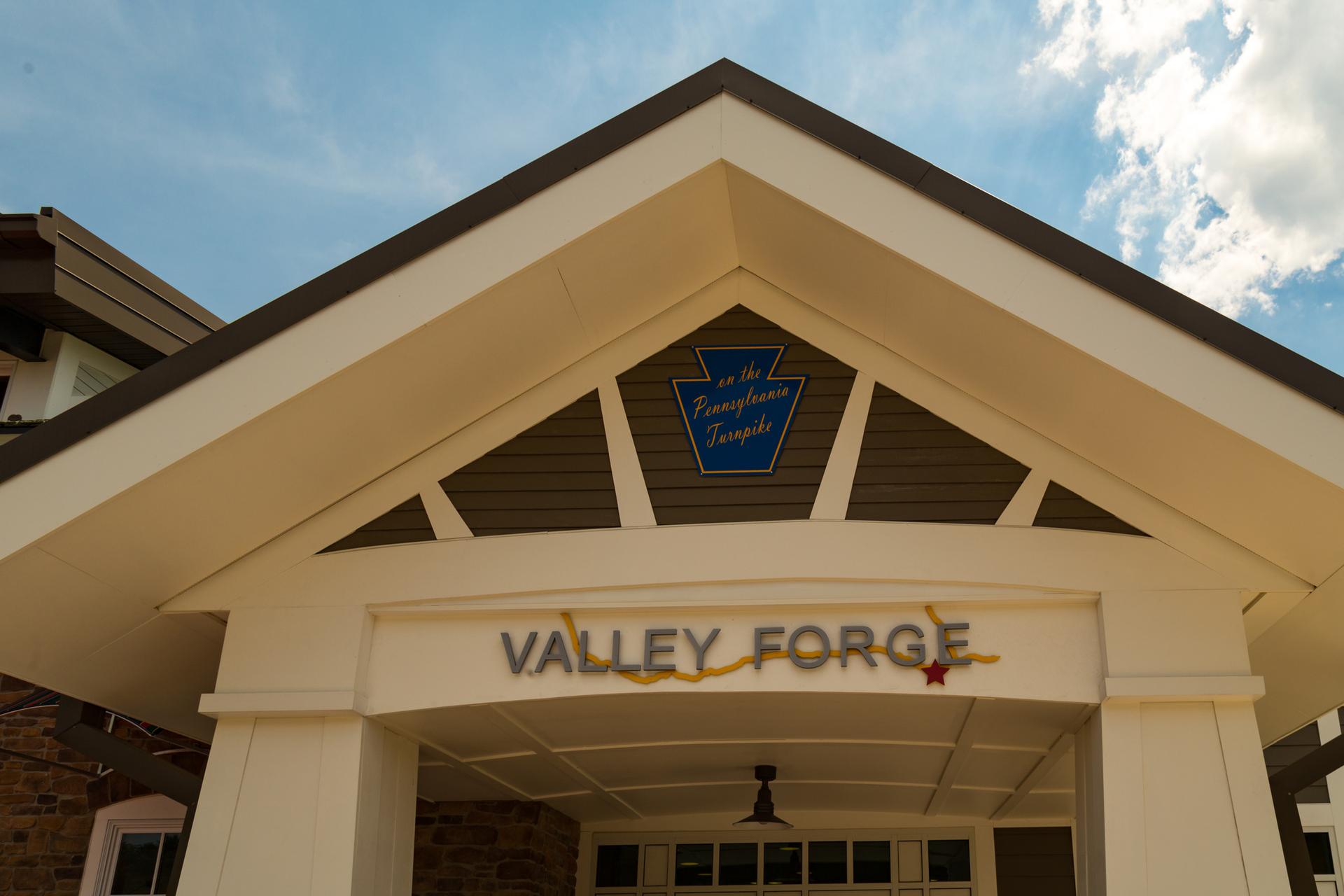
Workers along the Pennsylvania Turnpike have a fairly thankless job, but they help thousands of people out each day.
Right as we were getting ready to launch the Keystone Labor Report, Applegreen, the company that owns the rest stop plazas, cut workers’ wages by up to $3 per hour and replaced them with tips.
Telling the workers’ side of the story helped kick off this newsletter and set the tone for the type of accountability reporting you’re going to continue to see here.
One of the things that I enjoy about the labor movement, for better or worse, is being able to report on and watch a campaign from start to finish.
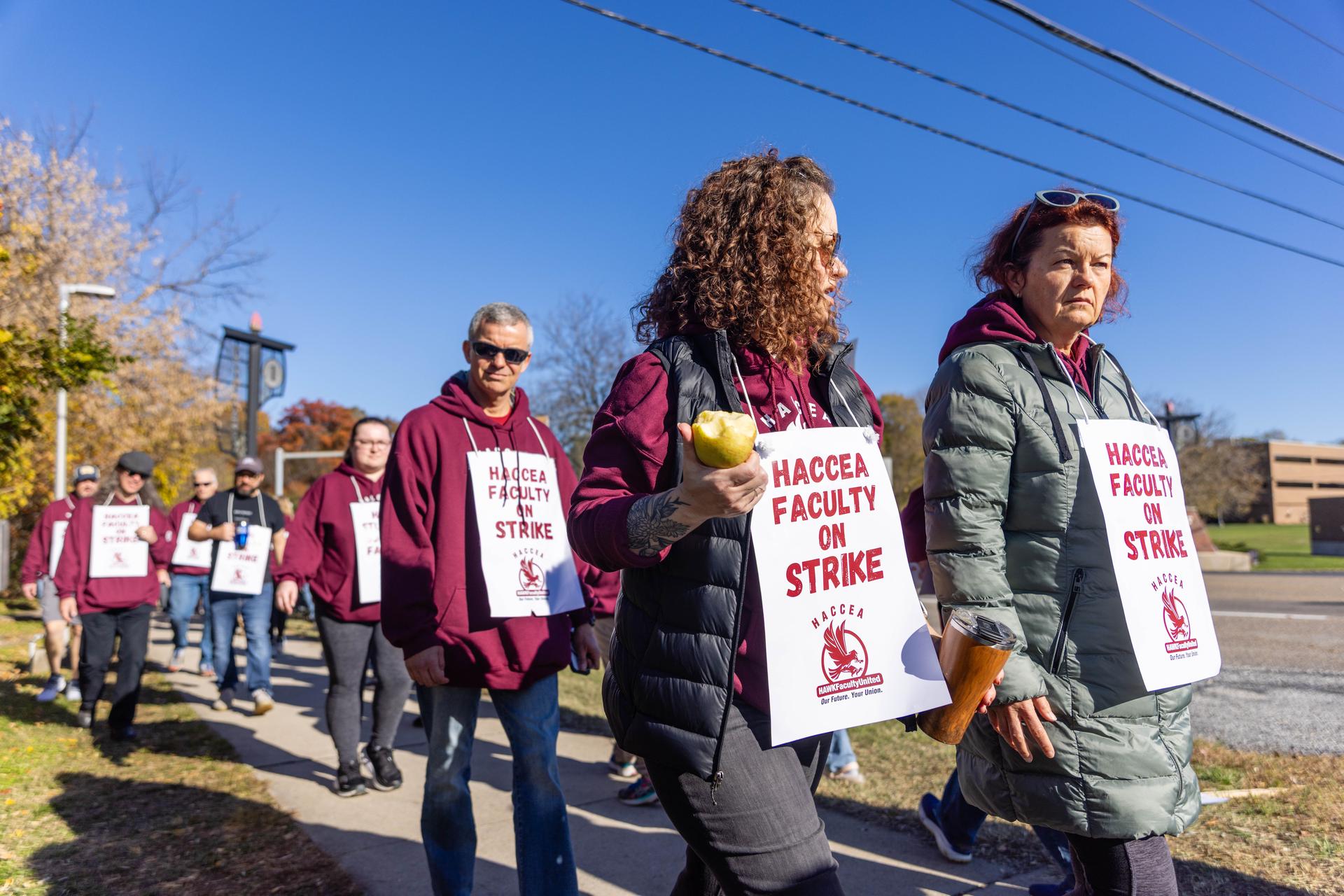
Over the past few years, I’ve gotten to know the professors and faculty at Harrisburg Area Community College (HACC) and report on the issues they faced while forming a union and securing a fair contract.
HACC professors and faculty members went three years without a raise or contract simply because their administration didn’t like the fact that they unionized. They were able to finally secure a contract after staging a two-day strike in November.
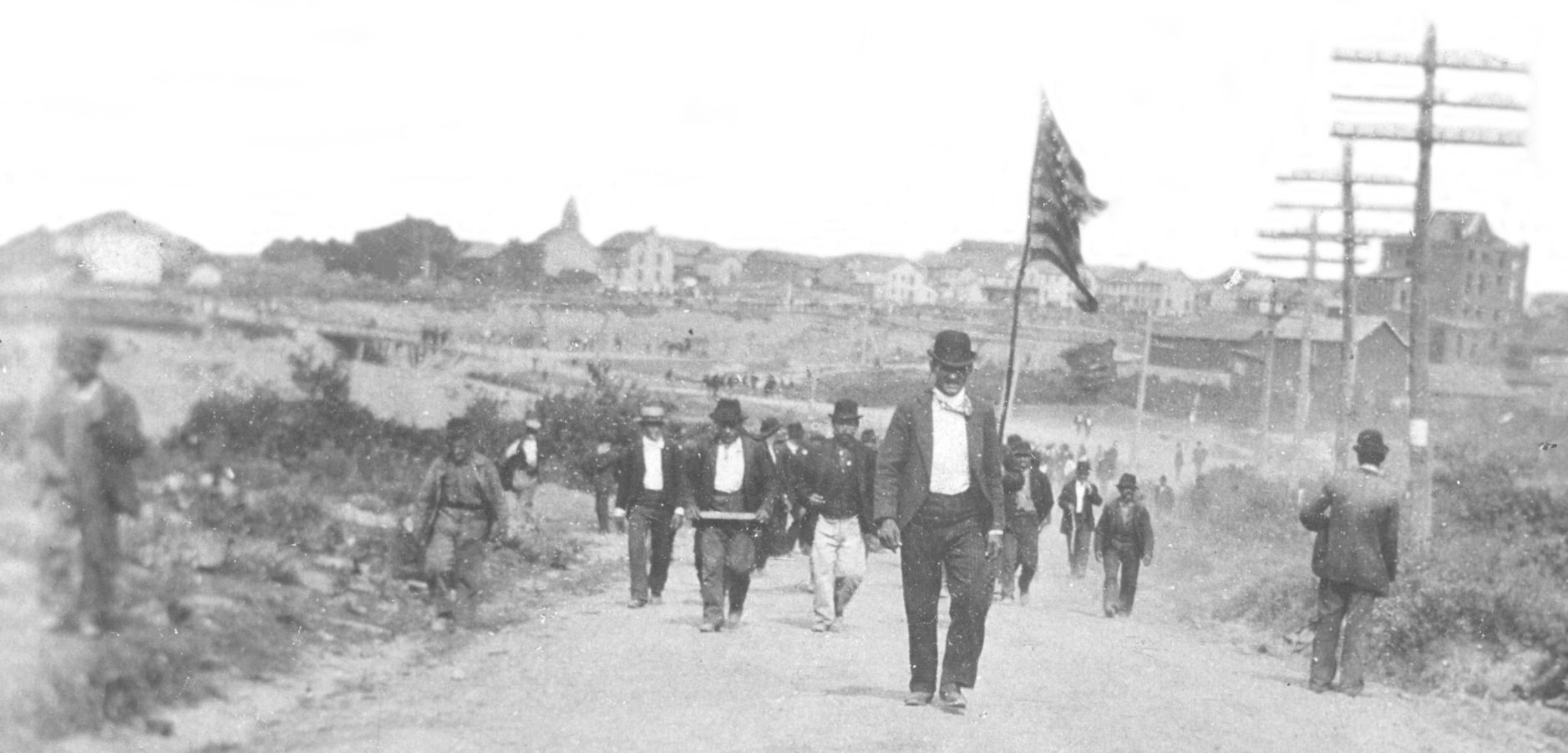
Over the next year, I would like to report on and spend more time writing about Pennsylvania’s rich labor history. One example of that reporting is about the Lattimer Massacre that occurred outside of Hazelton in 1897.
A sheriff and his posse killed 19 immigrant coal miners and injured dozens of others after opening fire on them while they were on strike for better wages and working conditions in the coal mines of Northeastern Pennsylvania.
The massacre was largely forgotten for close to 75 years, but it served as a catalyst in the formation of the United Mineworkers Association throughout the region and was a rallying cry for Hungarian-, Polish-, and Slavic-speaking working immigrants across the country.
Feel free to email me at seankitchen@couriernewsroom.com with any Pennsylvania-related labor history that you want to see covered in 2026.