Good Afternoon everyone,
Welcome back to another edition of the Keystone Labor Report.
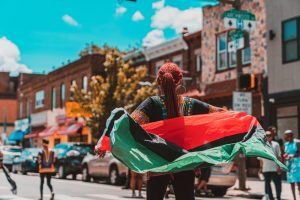
The historic nature of Saturday’s “No Kings” protests didn’t strike me until I was driving on the turnpike to Harrisburg after covering the Philadelphia rally.
Tens of thousands of Pennsylvanians attended rallies in Philadelphia and Pittsburgh, while thousands more made their stand in places like Harrisburg, York, or Lancaster. There were even rallies in extremely rural places like Coudersport, which is close to the New York border (and yes, I had to look it up) or in Pottsville, an old coal mining community in Schuylkill County, that attracted hundreds of demonstrators.
In total, there were over 60 demonstrations across the state with many held in towns I’ve never heard of or been to — and they were largely peaceful. One counter demonstrator was arrested and charged with multiple misdemeanors for brandishing a gun at Scranton’s demonstration.
You can see some of my favorite photos from the Philadelphia “No Kings” rally by clicking here.
Once again, I’m asking to everyone to please send us some photos from Saturday’s rally and share your experiences with us! You can email me at seankitchen@couriernewsroom.com.
|
|
|
(Photo: AP Photo/LM Otero)
|
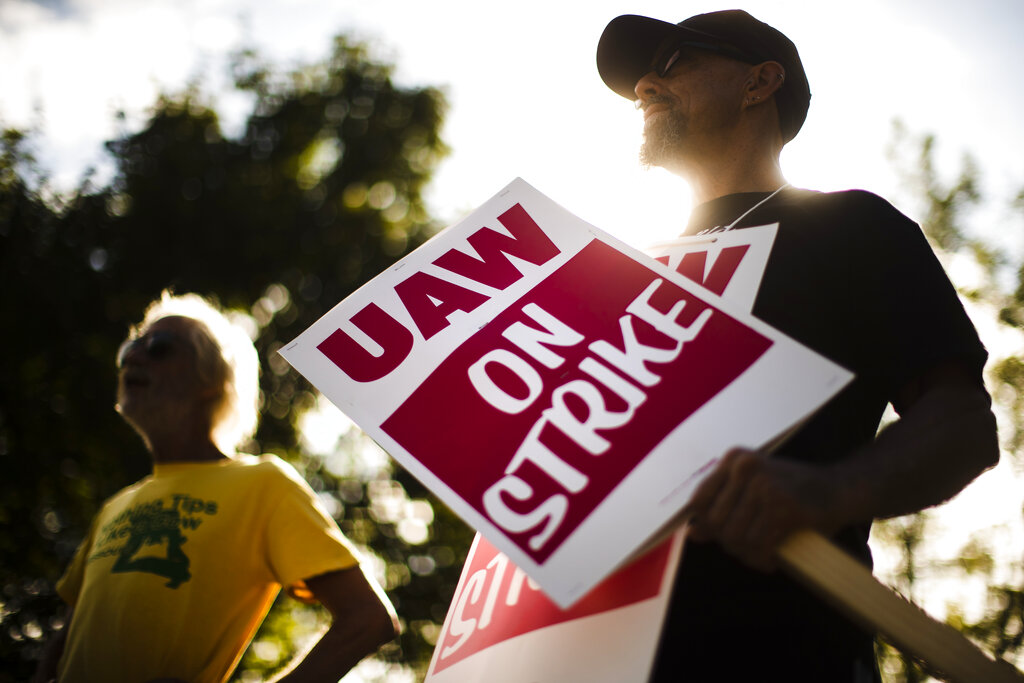
It’s been three weeks since the federal government shutdown started, and unpaid federal employees who are forced to work without pay may be the key to ending the shutdown altogether.
This shutdown is the second longest, behind the 2018-2019 partial government shutdown, but it is the longest full-scale shutdown in US history.
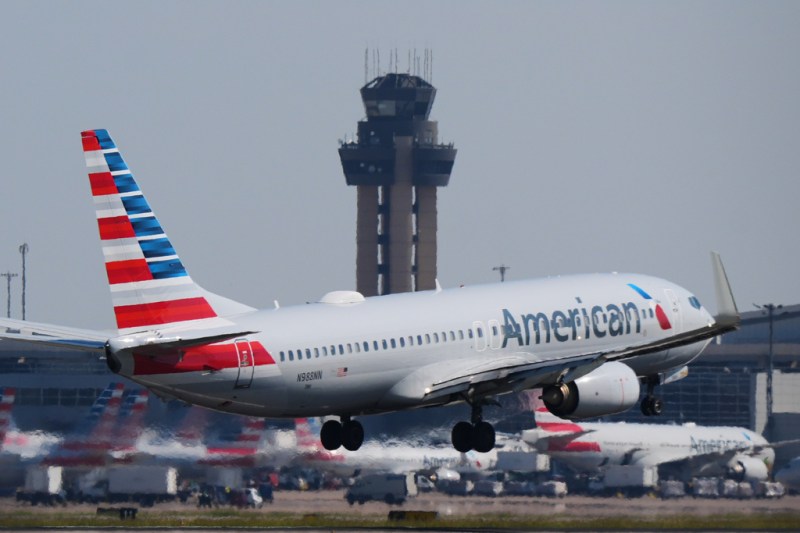
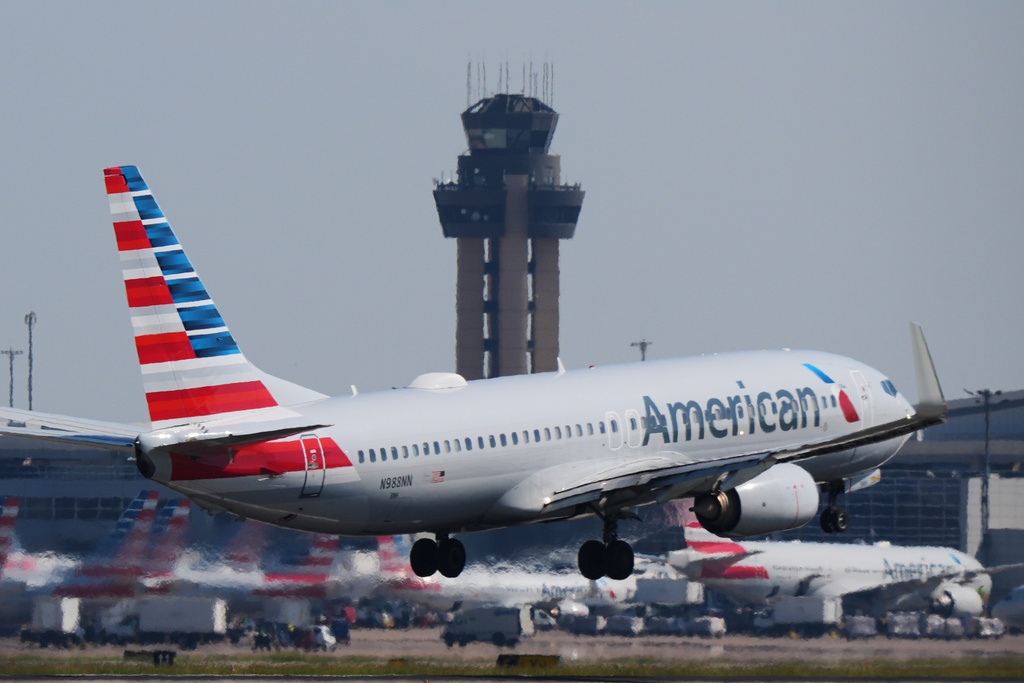
Because of that, air traffic controllers, Transportation Safety Administration (TSA) agents, and federal prison guards are starting to see their paychecks disappear. This may incentivize them to call out sick or take off from work, which is how the previous shutdown ended.
“ What happened during that 35-day shutdown is people got exhausted, they started calling off because they ran out of money to keep coming to work to put gas in their cars,” Philip Glover, District 3 National Vice President with the American Federation of Government Employees (AFGE), told reporters.
“We tried to help them–the unions try to help–but the fact is they get to the point, they’re like, ‘I cannot afford to come into work,’ and so they start to call off work. Same with the air traffic controllers, who are not part of our union, but that’s what happened last time.”
|
|
|
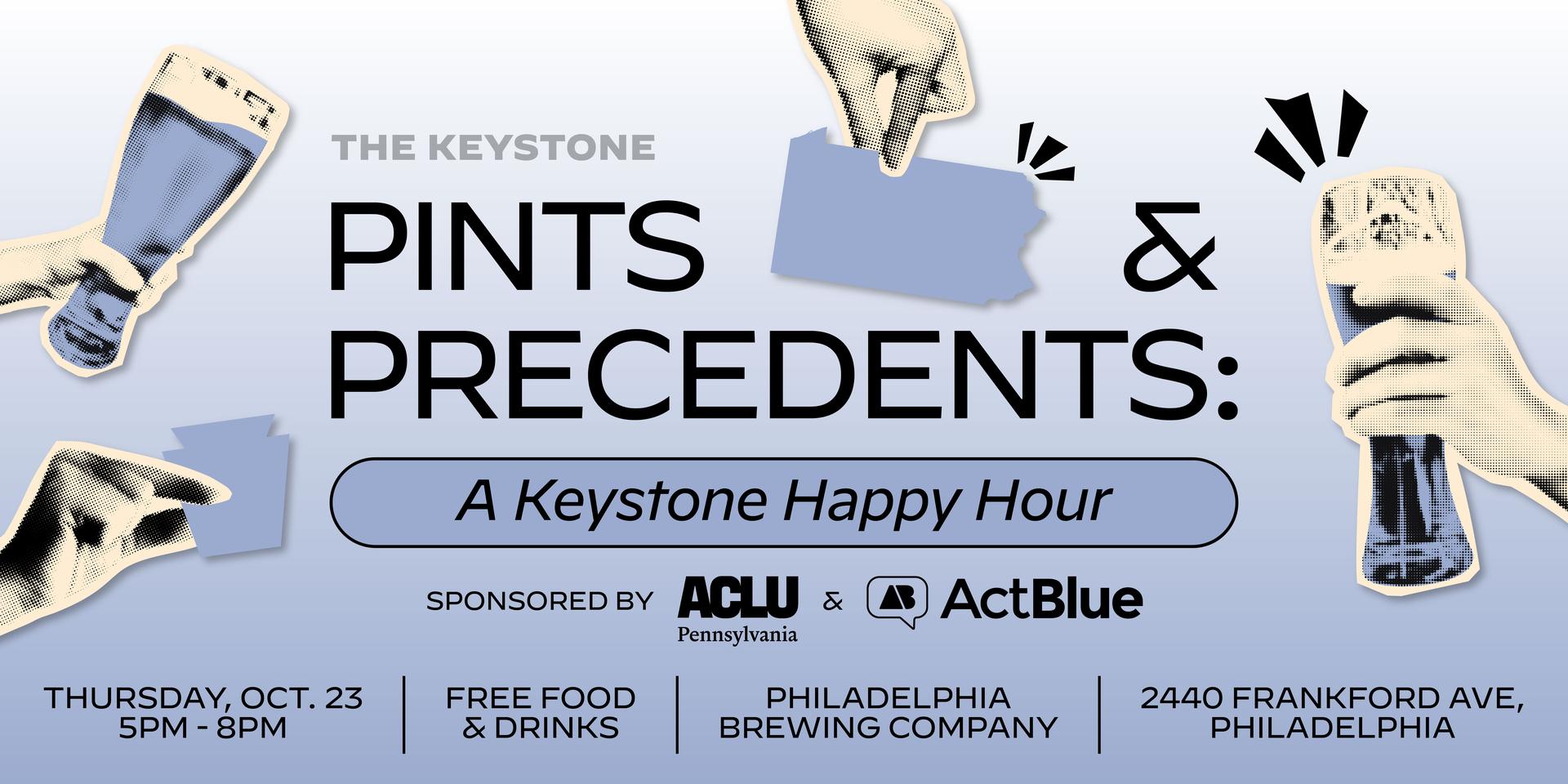
Attention Philadelphia area readers: Do you want to grab a pint with some of your favorite reporters from The Keystone? Well, now’s your chance.
We’re hosting an event in Philly on Thursday, Oct. 23 called Pints & Precedents: A Keystone Happy Hour at Philadelphia Brewing Company. It’s a chance for you to connect with advocacy organizations, local policymakers, and fellow community members to talk about key issues facing Pennsylvania ahead of the upcoming state Supreme Court election on Nov. 4.
This event is FREE and open to the public. RSVP here!
|
(Photo: AP Photo/Matt Rourke)
|
So you want to organize a general strike? Here’s how.
Chicago Mayor Brandon Johnson advocated for a general strike during his hometown’s “No Kings” demonstration on Saturday, and that piqued my interest in reading about general strikes.
Now, I understand how hard it is for labor unions and members of the working class to pull off a general strike today due to the legal complexities and the amount of organizing that would go into a strike, but we are coming off of multiple national protests that saw millions of Americans take to the streets.
Click here to read which Pennsylvania city is home to the country’s first general strike.
|
Would you recommend this newsletter to your friends and family?
|
|
|
You are receiving this email because you opted in via our website.
|
|
|
|