As the attacks against immigrant and working class communities have ramped up over the past year, with the killings of Renee Good and Alex Pretti, the deaths inside immigration facilities across the country, and the increase in ICE raids, one thing that has stayed in the back of my mind over the past year is the Lattimer Massacre.
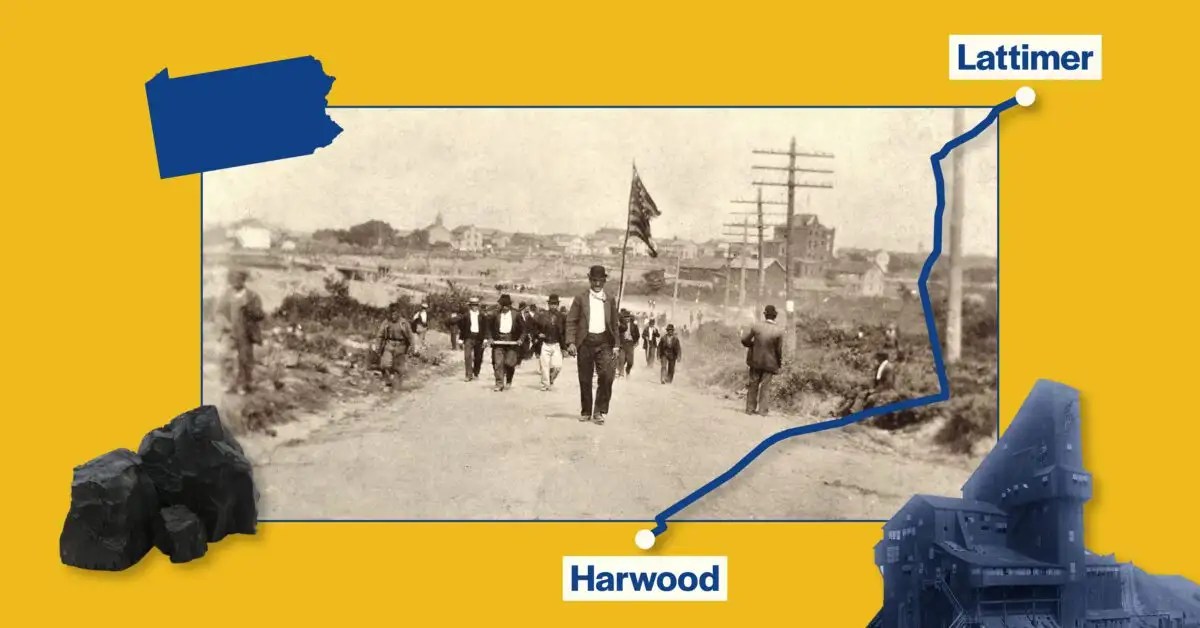
Thursday marks 129 years since a sheriff and his armed posse of 80 to 100 men fired into a crowd of roughly 400 striking immigrant coal miners who were armed with American flags and marching for better working conditions outside of Hazelton, Pennsylvania.
At least 19 miners, who were mostly of Slavic, German, Polish, Slovak, and Lithuanian descent, were killed in the confrontation, and dozens more wounded.
Lattimer was one of the largest labor massacres of the 19th century, and it sparked outrage among immigrant communities across the country. It played an important role in the formation of the United Mine Workers Association (UMWA) throughout Pennsylvania’s anthracite region.
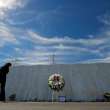
The events at Lattimer were largely forgotten throughout the region until its 75th anniversary, when a memorial was dedicated in memory of the slain coal miners.
State-sponsored violence against immigrants, working people, and popular movements is intertwined into this country’s history and it’s important to remember what happened.
”We’re seeing those same battles or the same issues 125 years later,” Paul Shackel, an anthropology professor at the University of Maryland, said in an interview.
“What’s amazing to me working in Northeastern Pennsylvania is that a lot of people who are creating these anti-immigration laws are descendants of people who came here as new immigrants several generations ago.”