The need for counseling services for police is particularly in focus this year in York County, where four police officers have been killed in the line of duty.
West York Officer Andrew Duarte was killed during a hostage situation at UPMC Memorial Hospital in February. In September, Northern York County Regional Police Detectives Mark Baker, Cody Becker, and Isaiah Emenheiser were killed in an ambush while seeking to arrest a man who had been stalking a woman. Two other officers were critically wounded during that ambush in North Codorus Township.
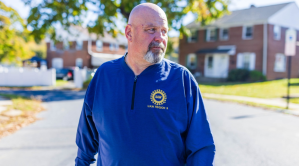
A former Springettsbury Township officer who dealt with many tragedies during 25 years on the job—including responding to the suicide of his partner’s husband—understands the impact this type of trauma can have on an officer’s mental health. It eventually took its toll on him, leading to his retirement. But instead of walking away from his brothers and sisters in law enforcement, Jamie Miller made it his mission to raise awareness about the mental health needs of law enforcement officers. After he left police work, he began advocating for mental health services for police officers.
For nearly a decade, Miller has worked with police officers and others working to remove the stigma attached to cops who seek mental health therapy. It’s a difficult job, he said, given that police are supposed to be strong and unflinching while facing tragedy and trauma. But, as Miller said, police officers are still human beings. Witnessing the worst aspects of human behavior has to have an effect, he said. The attitude, he said, is “to suck it up and take it.”
Though the officer’s job is to protect other people, Miller said, police need to “protect themselves.”
His work helping cops going through tough times has been rewarding, he said. He believes that he’s made a difference.
For instance, just recently, a police officer who’d been on the scene of the North Codorus Township ambush called him in the middle of the night. The officer was in a bad way. He couldn’t shake it and needed to talk.
Miller met him for coffee, and they spoke for two and a half hours. In the end, Miller said he advised the officer to get help.
His message—as it is in his talks and to other police officers—was simple.
“It’s OK not to be OK.”
|
|
|
For this week’s QOTW, we’d like you to take a pause from all the stress involved with turkey prep, travel plans, and dining room seating arrangements, and reflect on the reason for the season:
What are you most thankful for this Thanksgiving season?
For me, it’s pretty simple: I have a loving, supportive wife, I’m in good health, I have a job I really enjoy, a roof over my head in a community I love living in, and good friends. To me, that’s everything.
What are you most thankful for this Thanksgiving season? Reply with your answer, and please let us know where you live!
|
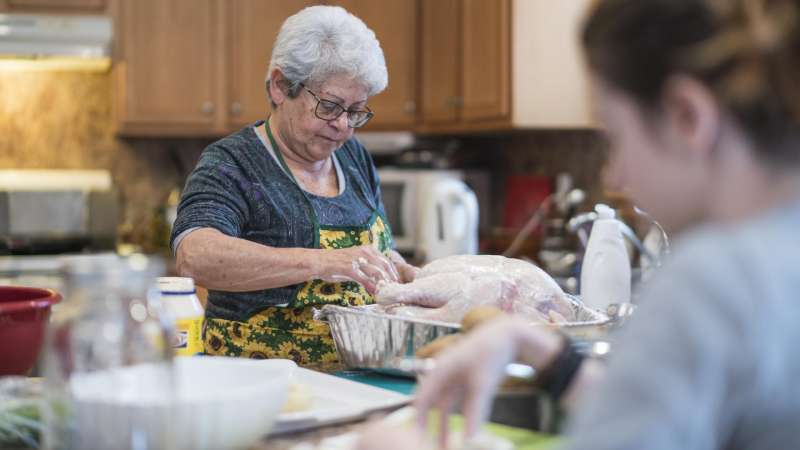
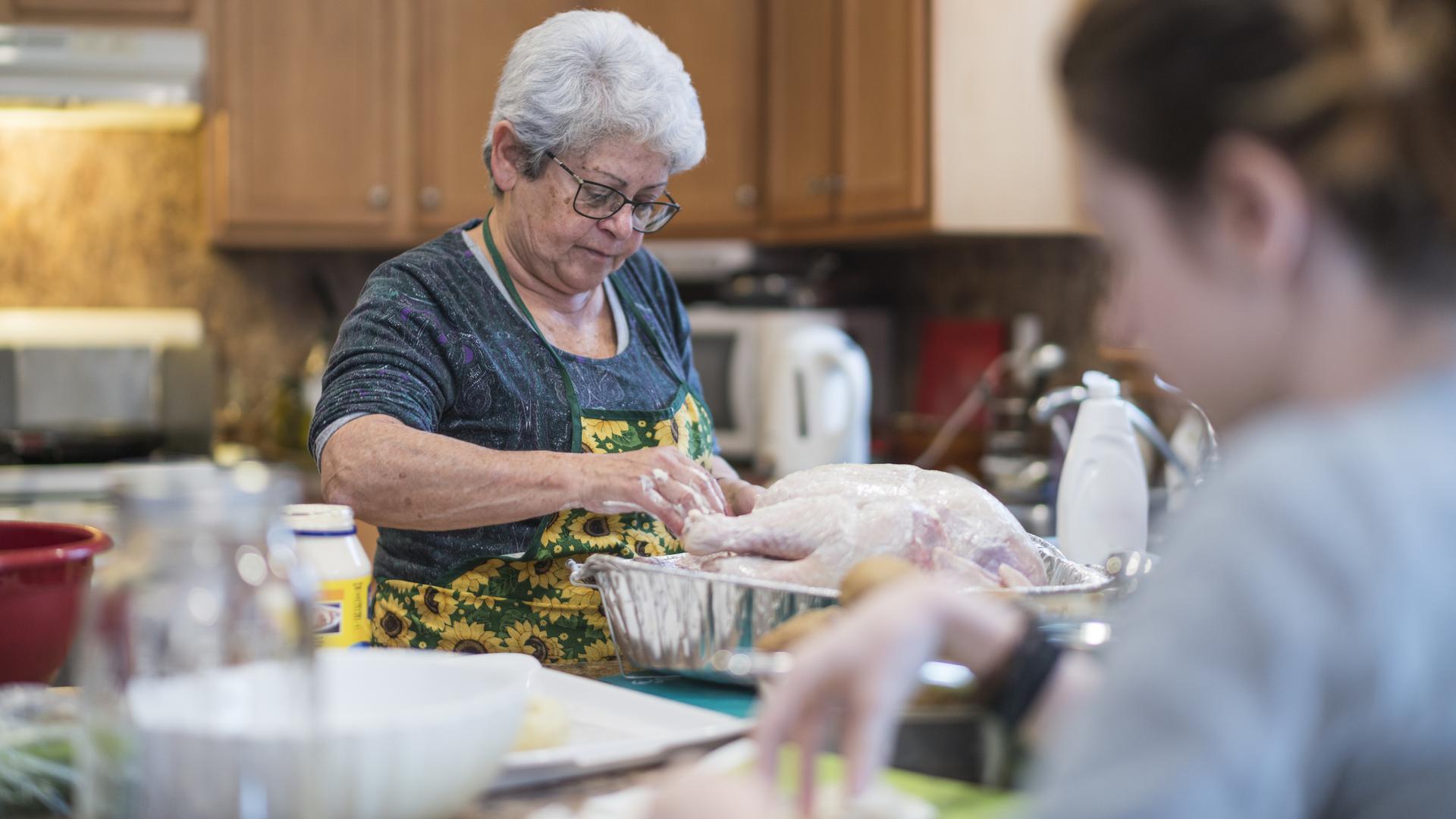
In this undated photo, a grandmother and her granddaughter prepare Thanksgiving family dinner together in the Poconos. (Getty Images)
|
The history of Thanksgiving in America is complicated, to put it very mildly.
The 1621 feast between Wampanoag Native Americans and English settlers may have been a cross-cultural affair, but the stories of camaraderie are undermined by the bloody conflicts and continued colonization that followed. To that end, each Thanksgiving, the Wampanoag and other Indigenous peoples recognize a National Day of Mourning in Plymouth, Massachusetts.
While Thanksgiving Day in the United States is tied up in legacies of colonization and stereotypes, disrupting the harmful myths and acknowledging a different narrative is possible. We’re highlighting some facts about Thanksgiving here in Pennsylvania—where the first nationally recognized Thanksgiving was celebrated in 1777—to inform your celebration.
|
|
|
Fight for something you believe in. Our democracy demands our participation to protect our constitutional liberties and rights. Free speech, health care access, our freedom to read diverse books, it’s all on the line. Whether 5 minutes or 5 hours, you can help ACLU of PA—learn how.
|
|
|
• With the third-largest rural population in the US, Pennsylvania is hoping to secure its own slice of a $50 billion rural health fund in the face of federal Medicaid cuts, with a focus on bolstering a beleaguered workforce and expanding health access for more than two million residents. Get the details here.
• After Pennsylvania US Reps. Chris Deluzio (D-Allegheny) and Chrissy Houlahan (D-Chester) were among the subjects of a series of negative social media comments by President Donald Trump last week, their district offices received bomb threats. Get the story here.
• The Trump administration has threatened to withhold nearly $75 million in funding if Pennsylvania does not immediately revoke what the administration claims are illegally issued commercial driver’s licenses to immigrants. Find out more here.
• Pennsylvania preschools and daycares took out loans just to keep classrooms running during the state budget impasse. Now that it’s over, the early childhood centers are bracing to repay the debt—with interest. Learn more in this story.
|
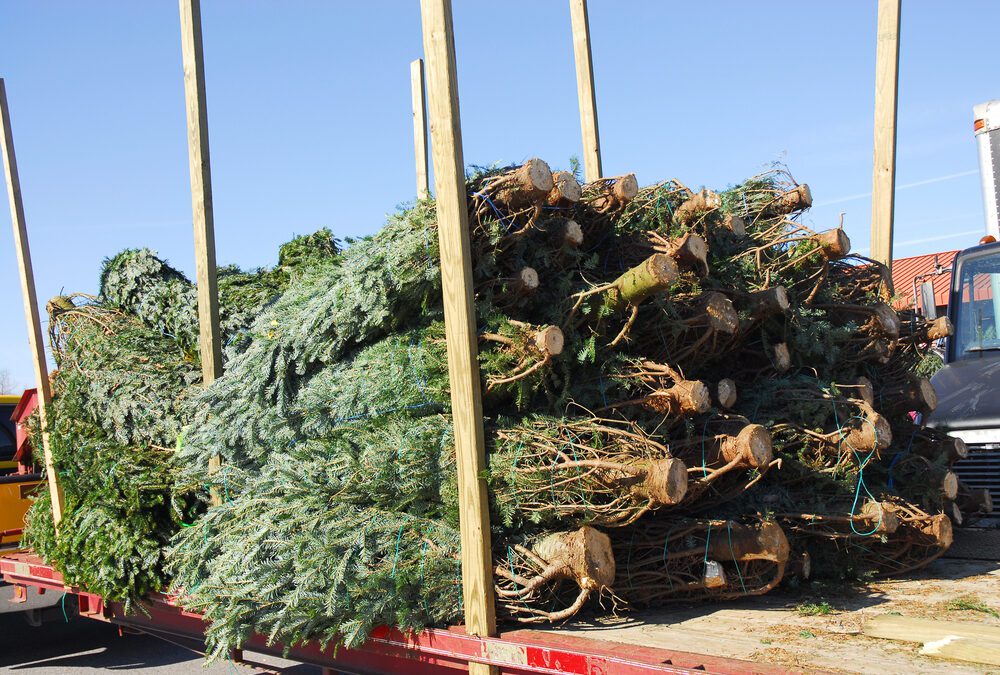
Christmas went on the auction block last week in Central Pa. farm country, and there was no shortage of bidders.
About 50,000 Christmas trees and enough wreaths, crafts, and other seasonal items to fill an airplane hangar were bought and sold by lots and on consignment at the annual two-day event put on at the Buffalo Valley Produce Auction in Mifflinburg.
So who was putting down the green for all that Christmas greenery? Buyers from across the Northeast and mid-Atlantic, who were there to supply garden stores, corner lots, and other retail outlets for the coming rush of customers eager to bring home a tree—most commonly a Fraser fir—or to deck the halls with miles of greenery.
|
|
|
Would you recommend this newsletter to your friends and family?
|
|
|
Do you want to support The Keystone’s mission while showcasing your products or services to an engaged audience of 230,000+ subscribers?
Email advertise@couriernewsroom.com for more information.
|
|
|
You are receiving this email because you opted in via our website.
Our mailing address is:
The Keystone / COURIER Newsroom
611 Pennsylvania Ave. SE
Washington, DC 20003-4303
Want to change how you receive these emails?
You can update your preferences or from this list.
|
|
|
|