I’m writing this Friday morning, right about the time 25 years ago that I got a call from my mother telling me to turn on the TV; a plane had flown into the North Tower at the World Trade Center.
I was in my kitchen in Philadelphia’s Manayunk neighborhood making coffee when my mom called. She asked if I had heard from my then-girlfriend, who commuted to work in midtown Manhattan from Philadelphia daily via Amtrak. As fate would have it, she planned to go in late that morning because she had a dentist’s appointment in Bala Cynwyd at 8:30. She burst through the door about 9:30 in complete shock and joined me on the couch in front of the TV where we remained for what seemed like days on end. She wouldn’t return to work in Manhattan for two weeks.
My memories of that day remain crystal clear 25 years later, as I’m sure they do for many. Newsletter readers share their reflections below.
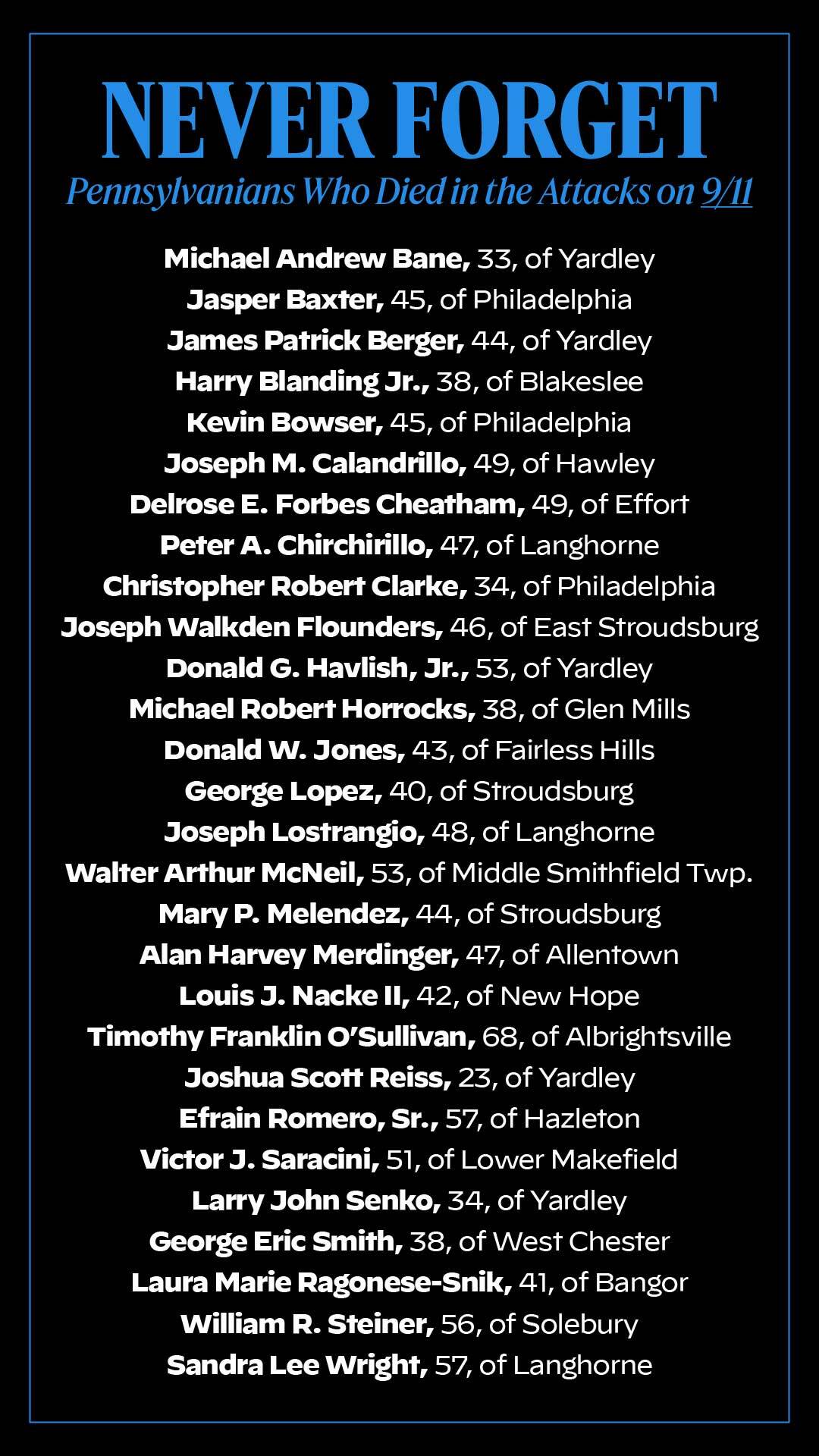
Of the nearly 3,000 people who died in the 9/11 attacks, 28 were Pennsylvanians, according to the National 9/11 Memorial & Museum. Those victims included Victor Saracini, who was killed when the Boston-to-Los Angeles flight he was piloting for United Airlines was hijacked by al-Qaida terrorists and flown into the South Tower of the World Trade Center in New York.
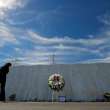
One of my very first assignments after joining the Keystone in 2021 was covering a ceremony at the Garden of Reflection 9/11 Memorial in Bucks County on the eve of the 20th anniversary of the attacks, to speak with Saracini’s widow, Ellen, and several of his longtime friends and fellow pilots.
What I remember most about that evening is that whoever was talking about Saracini—whether it was fellow pilot Sam Irvin talking about Saracini turning him on to a great bakery in Atlantic City, or Peter Maniscalco, another fellow pilot, expressing his regret for turning down an invitation to the Jersey Shore about six weeks before 9/11—was smiling ear to ear as they spoke. You can find my story about that event right here.
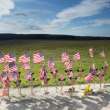
The Pennsylvania victims also included Louis J. Nacke II. He was one of 40 passengers and crew members aboard United Airlines Flight 93, which was headed from Newark to San Francisco. Flight 93 was the fourth plane that terrorists hijacked from East Coast airports that morning. When passengers on the flight learned of the terrorist attacks, they frantically called loved ones and made plans to overtake the hijackers. Their heroic efforts forced the plane to crash in a field in Shanksville, Somerset County, preventing it from reaching its intended target, which authorities believe was the US Capitol.
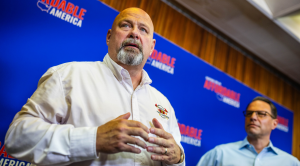
Jim Clark, now Somerset Regional Volunteer Fire Department chief, was at that time a member of Somerset County’s Hazmat (Hazardous Materials) Team. Clark’s team, first responders, and community volunteers remained at the crash site for weeks after 9/11.
“We pulled together,” Clark said. “The first responders were incredible. Were we totally prepared? No. Did we ever think that we’d respond to something that big? No.
“That is what changed—how emergency rescues look at situations. How we’re preparing for these tragic events. It wasn’t perfect, but I am damn proud of everything everyone responding did that day.”