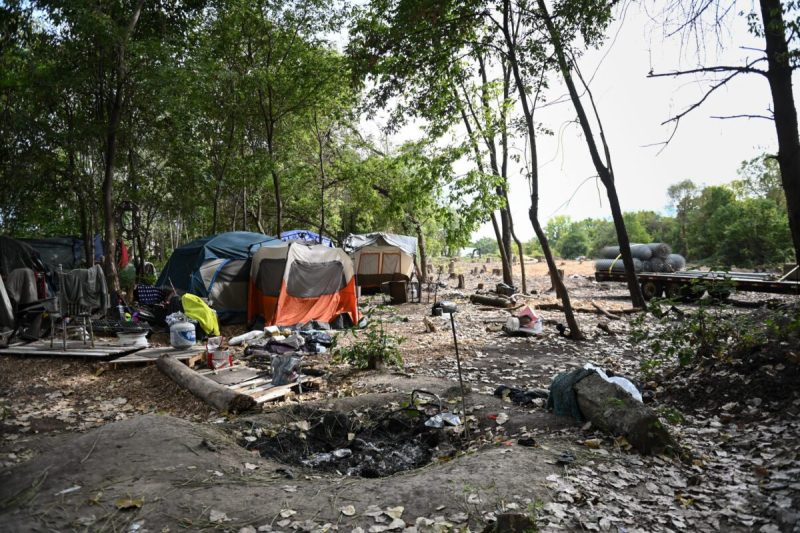
A Pennsylvania lawmaker is decrying what he calls attempts to criminalize homelessness and says he wants to guarantee unsheltered people the right to “conduct life-sustaining activity in public spaces” when they must.
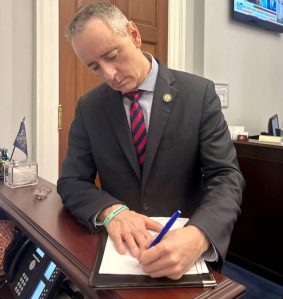
Rep. Ismail Smith-Wade-El’s forthcoming legislation, described in an Oct. 2 memo, says many communities across the nation have adopted rules that essentially punish homeless individuals for being without shelter.
“Criminalizing individuals or families for being homeless is needlessly cruel and undermines the guiding morals of our society,” he wrote in the memo. “As servants of the people, it is our duty to ensure that every resident of the Commonwealth has the ability to provide for themselves and their loved ones as best they can.”
What’s the background?
The Lancaster County Democrat noted that in 2024, the U.S. Supreme Court ruled that local encampment bans — which allow authorities to arrest and fine individuals for camping in public areas — do not count as cruel and unusual punishment. Advocates say it is inhumane to penalize people for sleeping outdoors when housing and shelter options are not available.
Smith-Wade-El believes the Supreme Court decision opened the door to local laws that effectively criminalize homelessness.
President Donald Trump has also taken action to crack down on encampments, recently releasing an executive order that seeks to expand involuntary institutionalization of homeless individuals and incentivize local bans.
What language will be in the bill?
Smith-Wade-El said his legislation will be called the “Shelter First for Pennsylvanians Experiencing Homelessness Act.”
It will stipulate that, when unsheltered people are without options for accessing housing, they are allowed to use public spaces for vital activities.