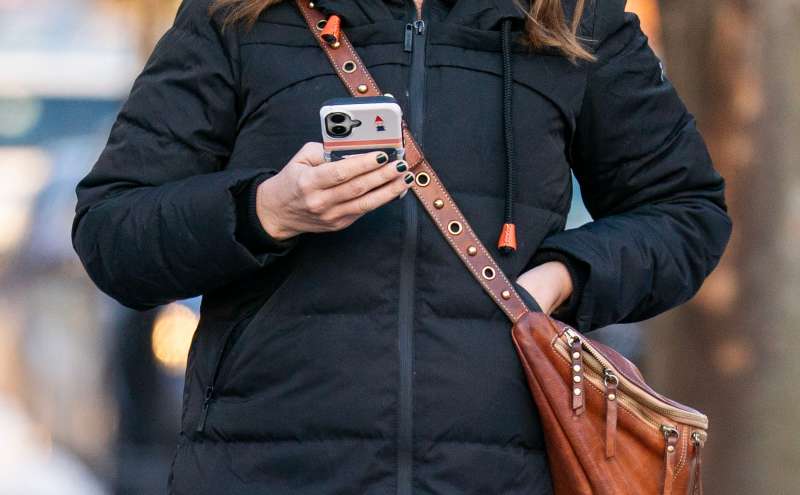
Montgomery County officials are warning the public about a “sophisticated” new scam in which a caller impersonates the police and scares victims into depositing large amounts of money in Bitcoin kiosks.
Calling from spoofed phone numbers with a 610 area code, the scammer falsely claims to be a deputy sheriff named “Lt. McDonald” or another official with the Montgomery County Sheriff’s Office.
They manipulate victims into believing they owe money for missing jury duty and instruct them to stay on the line and drive to the courthouse. The caller redirects the victim to a Bitcoin ATM and tells them to deposit thousands of dollars.
“Our deputy sheriffs do not operate in this manner,” Montgomery County Sheriff Sean P. Kilkenny in a statement said. “Sheriff personnel will never call a resident to demand money to satisfy a warrant or demand money for any reason.”
The scammer has targeted multiple people in Montgomery County. At least one victim lost more than $23,000, according to the sheriff’s office.
“The caller knows a lot of personal information about the resident and scares the resident to believe that law enforcement will come to their home and arrest them if they don’t immediately deposit the money,” the office of the district attorney said in a press release.
Residents who receive a suspicious phone call are advised to immediately hang up and note the date and time of the call, as well as the phone number listed on the caller ID. They’re then asked to call Montgomery County detectives directly at 610-278-3368.
Cryptocurrency scams swindled Americans out of more than $11 billion in 2025, according to the FBI. Impersonation calls are another common tactic for scammers, especially those targeting older adults. The FTC reports that Americans older than age 60 lost a total of $445 million in 2024 to impersonation scams.
The schemes are growing more elaborate as technology advances, with the FBI receiving more than 22,000 complaints of AI-enabled scams in 2025. But scammers still rely on human emotions to trick their victims by creating a sense of fear and urgency.
Officials agree: Anyone who receives a suspicious call or message pressuring them to act immediately should “take a beat” and contact authorities.
Detectives are investigating the Montgomery County scam and plan to place warning stickers on Bitcoin kiosks to alert users against potential fraud, according to the press release.
“No legitimate law enforcement agency, the Sheriff’s Office or the court will ever request payment via a Bitcoin or other cryptocurrency ATM,” Montgomery District Attorney Kevin R. Steele said in a statement.
“Anyone who has gotten one of these calls should not comply with any of their demands and should not deposit any money into a Bitcoin ATM.”