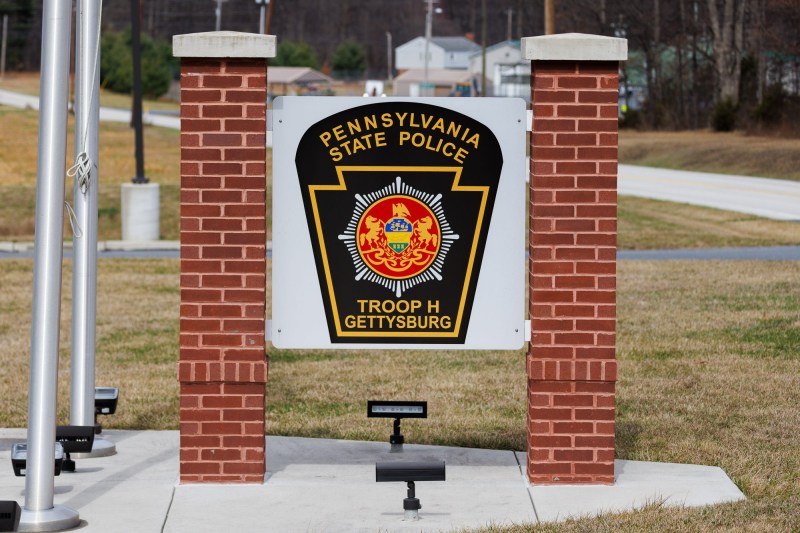
Proposed in Pennsylvania Gov. Josh Shapiro’s 2026-27 budget is a roughly $116 million funding increase for the Pennsylvania State Police. It represents around 9% more than the state’s general fund spent on its police force last year, based on the governor’s executive budget.
PSP is one of several state agencies proposed to get a funding boost in Shapiro’s $53.3 billion spending plan. A final budget is due by June 30, although state officials have failed to meet that constitutional deadline each of the past four years.
The governor’s 2026-27 budget proposal asks for around $4.7 billion from the state’s rainy day fund to balance the deficit in his proposal. It would be Pennsylvania’s first rainy day fund use since 2009 and the largest in state history.
The House approved a budget bill in April. It has stalled in the Republican-controlled Senate.
The state police line item in the state’s general fund is around $1.35 billion. The largest increase, roughly $102 million, falls under general government operations, which cover salaries, benefits and other operating expenses. Those expenses could include everyday costs such as rents, utilities and fuels.
Hiring more Pa. State Police troopers
Shapiro’s proposal seeks roughly $16 million to fund four new cadet classes. It would permit the state to hire around 380 troopers beyond those already covered across multiple cadet classes.
The state police require more troopers to overcome staffing shortages. There are roughly 4,660 enlisted officer positions within an agency that is authorized to employ a little more than 4,800, according to Chris Caracino, state police deputy communications director.
“Nationwide, law enforcement agencies have seen a decline in the number of people seeking careers in policing,” Caracino wrote in an email to USA TODAY Network Pennsylvania. “The PSP is no different in this regard; however, we are seeing a slow/steady increase in applicants over the last three years, which we attribute to changes in our eligibility requirements and programs … which introduce young people to law enforcement and the many opportunities that a career within the Pennsylvania State Police provides.”
The state has graduated more than 620 cadets since Shapiro took office. The latest cadet class, in May, was the fifth group to graduate from the state police academy without a college credit requirement that would have blocked eligibility for more than half of the class.
Shapiro’s administration removed the college credit requirement so state police could hire more officers. It has led to a nearly 60% increase in cadet applicants.
New proposed Pa. funding source: recreational marijuana
More money could come to state police if recreational marijuana were legalized and new taxes on it implemented, which Shapiro has proposed in his budget.
In a report released in February, Pennsylvania’s Independent Fiscal Office projected revenue of $140 million in the 2026-27 fiscal year, increasing to $432 million by 2030-2031.
The projections are based on Shapiro’s proposal, which includes licenses for the production and sale of marijuana to be awarded starting July 1, with sales starting Jan. 1, 2027.
Shapiro projects long-term revenue from this around $200 million annually.
State police would require an additional $2.3 million in the budget for marijuana enforcement and expungement paid for by a new marijuana tax if recreational pot were legalized.
State police coverage across Pennsylvania
State police cover municipalities that do not have local police, leaving more than 1,300 communities in the department’s jurisdiction. That area covers more than 80% of Pennsylvania’s land, yet only a quarter of its population.
“The Pennsylvania State Police help keep our communities safe, routinely aiding municipal law enforcement agencies that are understaffed or need additional support ― and in many areas, especially our rural communities, PSP serves as the primary local law enforcement agency,” Rosie Lapowsky, spokesperson for Shapiro, wrote in an email to USA TODAY Network Pennsylvania.
Serving as a local police department for largely rural areas across the state strains PSP’s resources.
A bill proposed in the House would collect money from municipalities that opt for state police coverage. It is unclear if that funding proposal could help supplement PSP’s budget to offset funding hikes.
Other state police expenses in budget plan
Shapiro’s budget request includes nearly $6.2 million more for PSP’s IT infrastructure, $4.3 million more for gun checks, $2.6 million more for transportation/vehicles and an additional $1.4 million for the statewide public safety radio system.
The budget proposes a $250 million transfer to state police from the state’s Motor License Fund, which is separate from the general fund.
The state’s budget also invests heavily in artificial intelligence, AI, including safeguards around the technology PSP would help oversee.
Possibly contributing to the proposed funding hike is PSP joining the departments of State, Education and Health to establish guidance for safe AI use and expand digital literacy for students, parents, caregivers and professionals.