Officials from Pennsylvania’s largest teachers union are warning that school districts from across the commonwealth cannot afford another lengthy budget impasse.
“Pennsylvania needs lawmakers to pass a budget that invests in our communities and delivers the resources our public schools deserve, particularly those schools slated to receive adequacy funding as part of the multiyear plan to close school funding gaps,” Aaron Chapin, President of the Pennsylvania State Education Association (PSEA), said in a statement.
Democrats in the Pennsylvania House passed a budget proposal that mirrors Gov. Josh Shapiro’s priorities in April, but Republicans in the Senate left Harrisburg before Tuesday’s deadline without passing their version.
It marks the fifth year in a row where Pennsylvania lawmakers failed to pass a budget by the June 30 deadline.
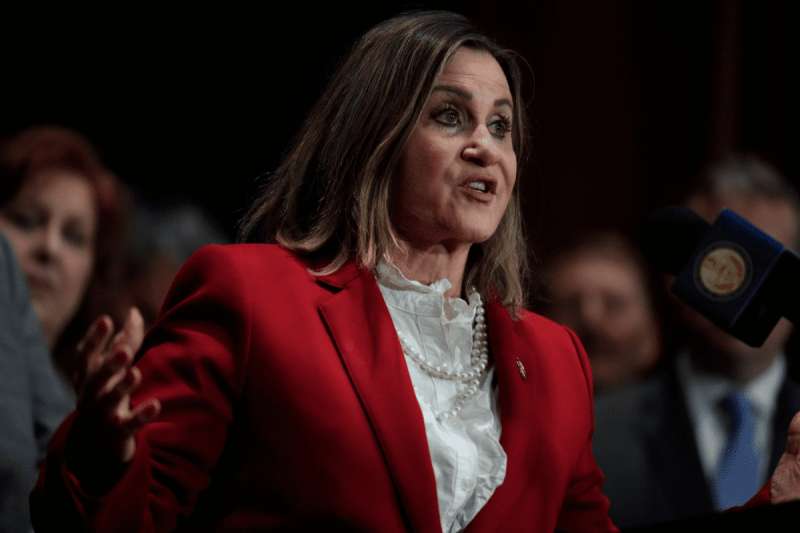
“The Senate Republican majority is failing again, not leading, not working, not compromising, and most importantly, not finishing the job we’re all charged to do,” House Speaker Joanna McClinton (D-Philadelphia) said.
The House’s budget includes a $700 million increase in education funding, of which $565 million will be used to close the funding gap between wealthier and poorer school districts.
It also includes a $50 million increase for basic education funding and another $50 million increase in special education funding.
During last year’s prolonged budget impasse, which lasted until November, school districts were forced to cut after-school programs, enact hiring freezes, and take out loans to keep the lights running.
Taxpayers may be on the hook for interest payments if the current budget stalemate stretches into the upcoming school year and districts need to take loans to continue operating.
“Delayed state budgets and long impasses only serve to prevent school officials from thoughtfully planning how to use new resources to close opportunity gaps for students,” Chapin said.
He added, “Pennsylvania’s communities cannot afford another budget impasse that could cause unnecessary hardship and diminish resources for public schools at the local level.”