In 2020, Pennsylvania was ground zero in President Trump’s “stolen election” saga. Joe Biden carried the state by roughly 80,000 votes, but Trump’s allies spent the next two months trying to upend the outcome in courtrooms, at rallies, and on the floor of Congress. More than 60 lawsuits were filed nationwide, and no evidence of widespread fraud was ever found.
Six years later, several of the candidates who pushed that myth are now asking Pennsylvanians for their votes. A tracking site run by the pro-democracy group States United lists 10 election deniers on Pennsylvania’s November ballot, including the Republican nominee for governor and nine Republicans running for the US House.
What does a candidate have to do to garner an “election denier” title? Spreading inaccuracies about the 2020 results, falsely claiming Donald Trump won the 2020 election, pressuring officials not to certify results, backing baseless lawsuits to overturn the outcome, or refusing to concede after results were confirmed can secure the label.
According to States United, every election denier they identify is tied to documented evidence, such as votes, court filings, public remarks, and social media posts.
Election deniers in the governor’s race
Pennsylvania’s governor has more power over elections than many voters realize. The governor appoints the secretary of the commonwealth, who approves voting machines and issues guidance to all 67 county election offices. The governor also signs the certificate that sends Pennsylvania’s presidential electors to Congress, and whoever wins the 2026 election will hold that job during the 2028 presidential election.
Read More: How Pennsylvania protects your vote in the 2026 election
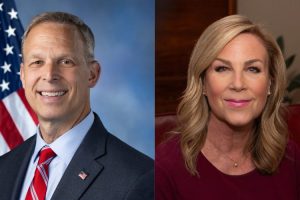
Republican State Treasurer Stacy Garrity, who is challenging incumbent Gov. Josh Shapiro in the Nov. 3 gubernatorial contest, is an election denier, according to States United.
On Jan. 5, 2021, the day before the attack on the US Capitol, Garrity, a retired Army Reserve colonel, spoke at a Harrisburg rally hosted by then-state Sen. Doug Mastriano. “In Iraq, we have rules of engagement and in Pennsylvania, we have rules of engagement for the voting process, and they were fully violated,” she said. “So the election from this November is tarnished forever.” Several people who attended that rally were later convicted of crimes committed on Jan. 6.
But those comments weren’t a one-off. At a 2022 Trump rally in Greensburg, Garrity went further, saying of Trump and 2020: “We know that he won.” In January, she brushed off the remark, calling comments made at Trump rallies “kind of fun things,” and said she is “painfully aware” Biden won, according to Pittsburgh’s NPR affiliate, WESA.
This year, Garrity also defended the Trump administration’s demand for Pennsylvanians’ private voter data, a request the state’s Republican secretary of the commonwealth refused and a federal judge threw out in June. “If we think there’s no voter fraud, then why not hand over the rolls and prove him wrong?” Garrity told ABC 27 in August.
Election deniers running for US House
The House members Pennsylvanians send to Washington this fall will help set the rules for 2028. Congress will weigh proposals that change how Americans register and vote, such as proof-of-citizenship requirements, and decide how much federal money states get to secure their elections.
Most of Pennsylvania’s election deniers in the House have already been tested on this. When Congress met to count the 2020 results, just hours after rioters broke into the Capitol, Dan Meuser (PA-09), Scott Perry (PA-10), Lloyd Smucker (PA-11), John Joyce (PA-13), Guy Reschenthaler (PA-14), Glenn “GT” Thompson (PA-15) and Mike Kelly (PA-16) voted to reject Pennsylvania’s own electoral votes.
Scott Perry went further than most. He introduced Trump to Justice Department official Jeffrey Clark and pushed to make him acting attorney general so the department would back Trump’s fraud claims. Perry later refused a subpoena from the House’s Jan. 6 Committee, and the FBI seized his phone in 2022.
In the Nov. 3 Midterm Election, Perry faces Democrat Janelle Stelson in a toss-up rematch—she lost to him by about 5,000 votes in 2024.
Rep. Ryan Mackenzie (PA-07), who in 2020 was a state representative, was among the dozens of Republican state lawmakers who asked Pennsylvania’s congressional delegation to object to the state’s electoral votes going to Biden.
In the Nov. 3 Midterm Election, Mackenzie’s race against Democrat Bob Brooks in the Lehigh Valley is also rated a toss-up.
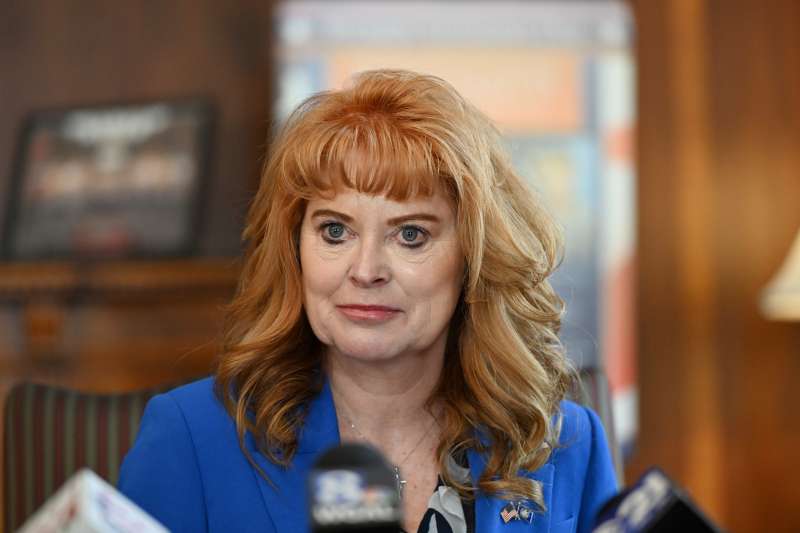
Aurora Stuski (PA-04), the Republican challenging Democratic Rep. Madeleine Dean in the Nov. 3 Midterm, is also flagged by the States United tracker.
Pennsylvania law requires that results be certified, but that rule only works if the people in charge follow it.
How to vote
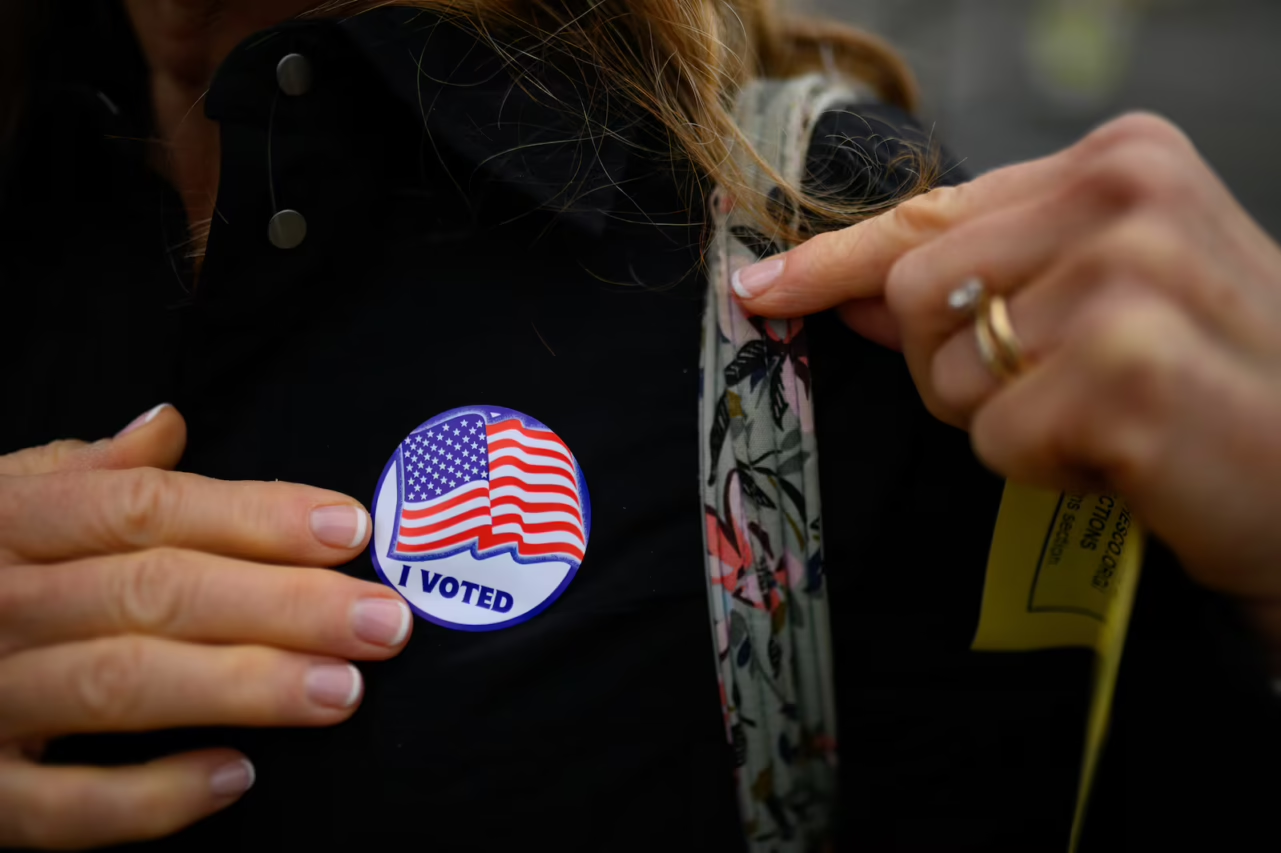
Voters must register by Oct. 19 online, by mail, or at your county election office. Mail ballot applications are due by 5 p.m. Oct. 27, and completed mail ballots must reach your county election office by 8 p.m. Nov. 3. Polls are open 7 a.m. to 8 p.m. on Election Day.