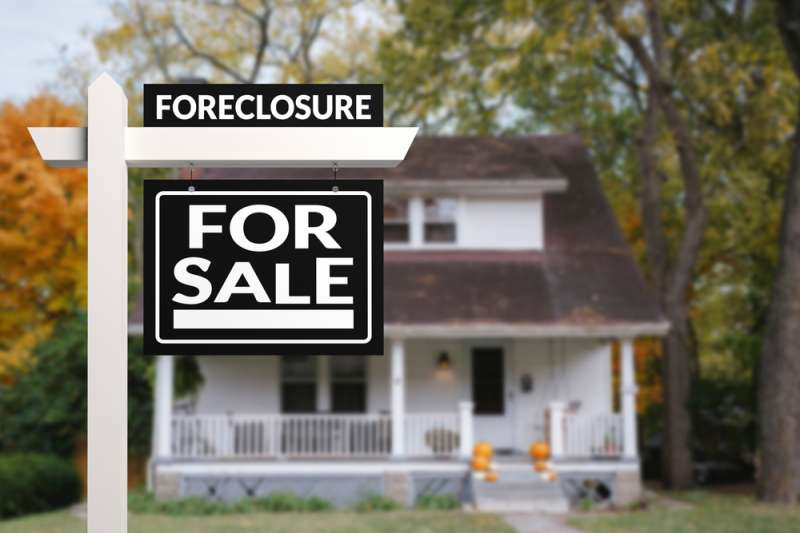
The Poconos have topped a list of Pennsylvania counties most at risk for foreclosures, according to a new report that described the area as “a boom market with a hangover.”
In the 2026 Pennsylvania Foreclosure Risk Index released by NestCash — a real estate company that purchases homes directly from owners for cash — the Poconos took up four of the five top slots, beat out only by Philadelphia.
Pike ranked second in the list, followed by Wayne, Monroe and Carbon counties, with respective index scores of 67.6, 66.9, 66.8, and 59.1, which all fall under the “elevated” risk category.
According to NestCash founder John Carter, who wrote the report, the index is a “weighted blend of four signals, each chosen because it precedes or predicts foreclosure among homeowners who carry a mortgage.”
Factors include market softness (the share of active listings with a price cut and the median days a home sits on the market), mortgage cost burden (the share of owners with a mortgage that spends more than 30% of household income on housing), mortgage delinquency and unemployment.
The Poconos saw a surge in the housing market following the COVID-19 pandemic, with buyers from out of state and urban centers flocking to the area for space and increased purchase power following the advent of remote work flexibility.
With the influx of new buyers who were willing to buy homes with cash — sometimes without even viewing the property, or getting an inspection — many locals were essentially priced out of the market.
But now, Pike, Wayne, Monroe, and Carbon are seeing price cuts in housing sales (20.1%, 17.4%, 21.2%, and 14.5%, respectively) and high shares of cost-burdened homeowners (31.6%, 34.6%, 29%, and 28.7%, respectively), according to NestCash, setting the stage for an increase in potential foreclosures.
The NestCash report states that the counties in the Poconos constitute a “second-home and exurban commuter market that absorbed enormous demand between 2020 and 2022 and is now the softest housing in the state.”
“What the data shows there is a demand shock unwinding,” the report reads.
“Monroe County’s active listings carry a 21.2 percent price-cut share and Pike’s 20.1 percent, against a statewide median of 17.4 percent. Homes sit 60 days in Monroe, 71 in Pike, and 73 in Wayne, against a statewide median of 52. Wayne County’s mortgaged owners carry a 34.6 percent housing cost burden, the heaviest of any Elevated county including Philadelphia,” the report says.
Carter states this pattern is consistent with a market “that absorbed a large wave of buyers between 2020 and 2022, many of them stretching to buy at the top of their budget in a region with thin year-round employment, and is now working through the consequences.”
Monroe County’s 1.5% delinquency rate, the highest of the four counties and well above the 1% statewide figure, is “the signal that separates a slow market from a distressed one, and in the Poconos it is present.”