Affordability seems to be the 2026 buzzword, whether you’re talking about groceries, gas, healthcare, or utilities.
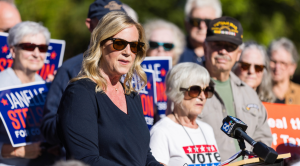
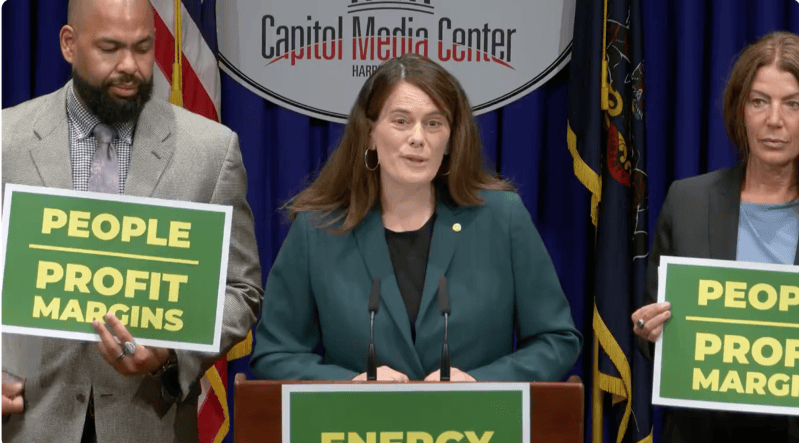
So it was no surprise that affordability also took center stage Wednesday as Pennsylvania House representatives touted their package of energy affordability bills.
“We know that as we head into the winter one of the biggest challenges people are thinking about is how they are going to be able to afford to keep their heat on this winter,” said Rep. Elizabeth Fiedler (D-Philadelphia), chair of the House Energy Committee.
Electricity rates in Pennsylvania have risen by more than 20% since 2024, with more households facing energy shutoffs. Electricity shutoffs in the state increased by 21% between 2024 and 2025.
Not only have prices increased, Fiedler said, but demand has also risen, putting strain on an aging infrastructure.
In a recent report from the state Public Utility Commission, under current electricity demand and with no additional policy action, the PJM regional grid could fail to meet its reliability standard from 2027 through 2030. In the report’s most severe scenario, 13 days of potential blackouts per year could start happening by 2030.
“The PUC report said in 2030 we could be looking at some of the most catastrophic early consequences of our energy crisis,” Fiedler said. “If the power goes out, people won’t have lifesaving medical equipment they need. If the power goes out, people’s food in their fridge, which they don’t have the money to replace, could go bad. Energy is not a luxury. It is critical to all of our lives.”
Fiedler, along with five of her fellow Democratic lawmakers, has introduced a package of energy affordable bills aimed at lowering costs, holding big corporations accountable, and getting more energy out of the existing infrastructure.
The following bills are part of the package:
- HB 1457: A bill that would prohibit companies from charging Weather Normalization Adjustments, which charge customers for energy they never use. It is awaiting a vote in the House Consumer Protection committee.
- HB 1834: A bill that would prohibit utilities from passing on the cost of data center development and related infrastructure upgrades to consumers. It passed the House and is awaiting a vote in the Senate.
- HB 2131: A bill that would protect customers from being automatically re-enrolled into higher-priced, variable-rate plans. It is awaiting a vote in the House.
- HB 2223: A bill that would require utility companies to evaluate and consider the use of advanced transmission technologies on new and existing service lines to save money. It passed the House and is awaiting a vote in the Senate.
- HB 2224: A bill that would limit how much excessive profit utility companies can make from ratepayers. It passed the House and is awaiting a vote in the Senate.
- HB 2264: A bill that would allow ratepayers to connect home energy devices like smart thermostats to the grid to slightly reduce energy usage during peak demand, or to send energy they generate directly to the grid. It has passed the House and is awaiting a vote in the Senate.
- HB 2380: A bill that aims to reduce utility bills by utilizing grid scale battery storage. It recently passed the House.
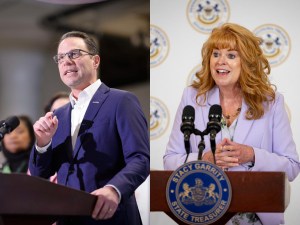
All the bills will need to pass both the House and the Senate before going to Gov. Josh Shapiro to be signed into law.