Unregulated prediction markets are allowing Americans across the country to bet on things that Americans may never have been able to bet on in the past.
For instance, on Kalshi, Polymarket, or other platforms, you can place bets on the chances of there being a recession in 2027, Democrats flipping the US House after November’s election, or the Pittsburgh Pirates making the playoffs for the first time since 2015.
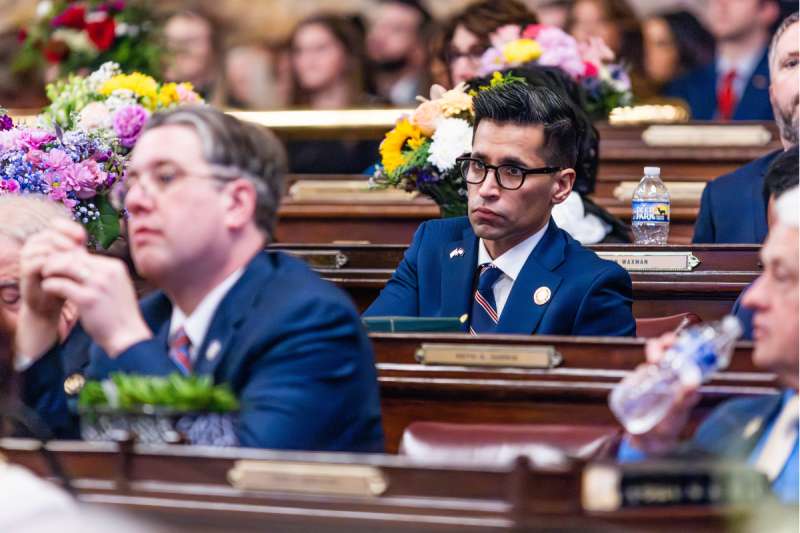
However, a bipartisan group of Pennsylvania House lawmakers, led by State Rep. Tarik Khan (D-Philadelphia), want to reign in these prediction markets, and make it illegal for people with inside knowledge to profit off of these platforms.
“ In the last year and a half, these prediction markets have exploded–things like Kalshi and Polymarket–people placing wagers on literally anything,” Khan said in an interview.
He added, “people are betting on sports, politics, the outcomes of things that Trump may do, and we’re seeing that there are insiders who are gaming the system and making thousands and thousands of dollars. It’s a major problem because people on the inside should not be able to profit from their access to power.”
Khan’s legislation, which has yet to be drafted, would prohibit insider trading and market manipulation, ban participation of people with insider knowledge, establish guardrails that prohibit betting on youth sports, or the life and health of an individual, and hold individuals accountable with penalties for violating the law.
Earlier this year, a US special forces soldier who helped plan and participated in the US military operation to abductVenezuelan leader Nicolas Maduro was arrested by federal authorities for placing $33,000 in bets on Polymarket in the lead up to the raid against the Venezuelan leader.
In return, the soldier made more than $409,000 and was eventually charged with “unlawful use of confidential government information for personal gain, theft of nonpublic government information, commodities fraud, wire fraud, and making an unlawful monetary transaction.”
One report found that prediction market volumes could reach $240 billion annually by the end of this year, and eventually reach $1 trillion a year in the not so distant future.
”It’s sort of the wild, wild west with the prediction markets. There’s really no strong rules against it,” Khan said.
He said lawmakers, athletes and other people close to the action being bet on could make money easily without any accountability.
“Insider trading is illegal on the stock market, but for these new prediction markets, there’s no clear rules that prevent it and that penalize people, and that actually encourage people not to do it,” Khan added.
A request for comment was sent to McGuireWoods LLP, the lobbying firm representing Kalshi, for this article.