As Pennsylvanians face increasing grocery bills, health insurance premiums, and utility costs, and—along with the rest of Americans—regularly cite affordability as a key issue in 2026, we’re checking the receipts of officials running for election and re-election in the Nov. 3 Midterms.
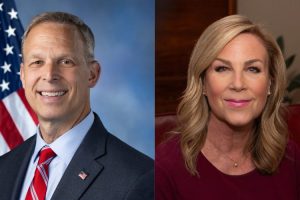
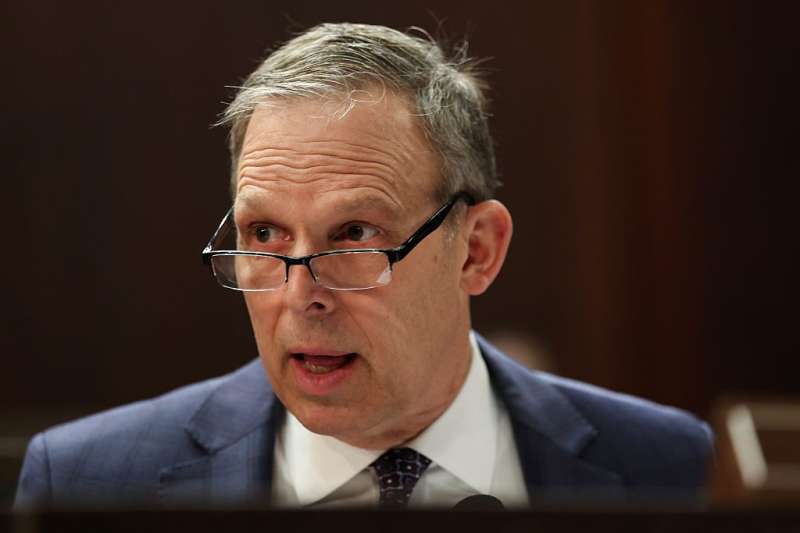
US Rep. Scott Perry (R-York) has defended President Donald Trump’s economic agenda time and time again. But does his voting record help or hurt the Pennsylvanians he represents in Congress? And who’s bankrolling his campaign?
Perry’s votes on costs and affordability
Perry was one of nine Pennsylvania Republican representatives who voted in favor of Trump’s “One Big Beautiful Bill Act,” which was signed into law in July 2025. The bill extended individual and corporate tax cuts and made significant reductions to Medicaid and SNAP.
About 98,000 Pennsylvanians lost SNAP benefits within the first year of the law’s implementation, and the state estimates about 310,000 residents will lose their Medicaid coverage.
Perry has defended the law as “tax relief,” and a way to support economic growth.
“If they didn’t pass the One Big Beautiful Bill Act, it would have increased taxes for all Americans,” Perry said during a 2025 telephone town hall.
A Keystone Newsroom fact check found that his statement wasn’t entirely true. Passing the One Big Beautiful Bill Act prevented scheduled tax increases for many middle- and higher-income households, but the Congressional Budget Office projects that the OBBBA’s benefit reductions—like Medicaid and SNAP cuts—will leave lower-income households worse off.
Perry’s record also includes support for Trump’s tariffs, which add taxes to imported goods. Economists have warned that import tariffs can raise costs for American companies and consumers.
When asked about tariffs and the economy, Perry suggested that Pennsylvanians should look toward the future, not the present. In a September interview with Spotlight PA, Perry acknowledged that prices remain high, but said the benefits of Trump’s tariffs would take time to materialize.
“The president is leveling this fairness playing field,” Perry said. “He wants to bring these industries back and incentivizing them, that want to come back, but also punishing the countries that have been punishing us for decades.”
A Keystone Newsroom fact check found that, again, Perry’s statement wasn’t entirely accurate. Perry is right that tariffs can protect some industries—particularly firms that compete directly with imported steel and other goods. But the tradeoff is substantial for everyday people living in a state that both imports industrial goods and exports heavily to Canada and other markets. The tariffs can raise costs for Pennsylvania manufacturers, farmers, and construction firms, and as a result, consumers. Meanwhile, retaliatory tariffs can threaten the state’s export sales.
Perry also voted against extending enhanced Affordable Care Act premium tax credits. These subsidies helped eligible people who buy health insurance through the ACA marketplace pay their monthly premiums.
When the subsidies expired at the end of 2025, nearly 202,000 Pennsylvanians who had been enrolled through PENNIE, the state’s ACA health insurance marketplace, had dropped their coverage.
Perry said the ACA failed to make healthcare affordable or expand meaningful options. In a September interview with City & State Pennsylvania, he said healthcare prices had risen substantially since the law was enacted and blamed the ACA for contributing to the problem.
According to KFF, a leading health policy organization, the ACA may not have eliminated entirely the high cost of healthcare, but it did substantially expand access to health insurance and made coverage more affordable for millions through Medicaid expansion, Marketplace subsidies, and consumer protections. Republicans’elimination of ACA subsidies and coverage premiums have increased health insurance premiums for everyone, and increased the number of people who are uninsured.
According to his campaign priorities, Perry supports lowering costs through health savings accounts and allowing people to purchase health insurance across state lines.
A Keystone Newsroom fact check found that while health savings accounts can reduce individual health spending, they don’t lower the actual cost of care and can also lead people to use less care that they need—leading to needing more expensive care down the road. There is limited evidence to support Perry’s claim that allowing insurance sales across state lines would lower premiums, particularly since the ACA cuts were nationwide.
On energy, Perry blamed high prices on what he called Biden-Harris “anti-American energy policies” and Pennsylvania’s energy policies along with the closure of traditional power generation.
A Keystone Newsroom fact check found that Perry’s finger pointing is misleading. Under the Biden-Harris administration, the US produced record energy in 2024. Pennsylvania remains a major natural gas and nuclear power state, and the clearest immediate drivers of recent electric bill increases are PJM capacity market costs, surging projected demand from data centers, and delays in bringing upgrades to the grid.
Who funds Perry’s campaigns?
Perry’s campaign has been supported by conservative political groups and donors connected to industries including energy, healthcare, construction, and finance. That support does not establish that donors dictate his votes, but it gives voters another way to evaluate Perry’s record on affordability: whether the policies he backs reflect the financial pressures facing households in Pennsylvania—or the priorities of the political and business interests helping to fund his campaigns.