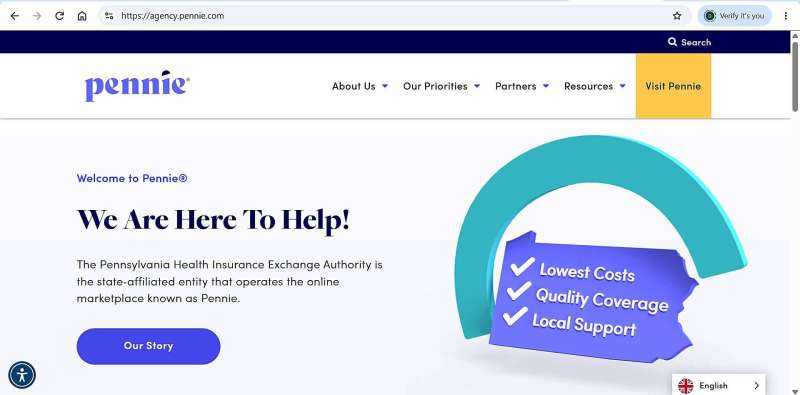
The open enrollment period for Pennie, Pennsylvania’s health insurance marketplace, began Nov. 1 and runs through Jan. 15, 2027. Pennsylvanians who want new coverage to begin Jan. 1 need to enroll by Dec. 15.
Enrollments completed between Dec. 16 and Jan. 15, 2027 will take effect on Feb. 1, 2027.
Pennie customers saw their average monthly premiums increase by 102% after Republicans in Congress allowed the Affordable Care Act tax credits, which were part of the Inflation Reduction Act, to expire at the end of 2025. Residents in Pennsylvania’s rural counties experienced the largest increase in premiums.
As a result, around 215,000 Pennsylvanians dropped their health coverage through Pennie.
Here’s what you need to know if you’re shopping for health insurance through Pennie.
Are premiums increasing again?
The Pennsylvania Insurance Department approved an average 15.97% increase in 2027 premiums for Pennsylvania’s individual health insurance market. That doesn’t mean every Pennie customer’s bill will rise by that amount; actual costs depend on the plan and any financial assistance a household may be eligible for.
Pennie says four out of five enrollees qualify for financial savings, and Pennie is the only marketplace where Pennsylvanians can apply for federal premium tax credits that lower premiums and out-of-pocket costs.
The premium increases aren’t quite as sharp as they could have been, according to state regulators who say they denied $95 million in unjustified increases requested by insurance carriers.
Why are premiums increasing again?
In addition to the expiration of enhanced federal premium tax credits that had provided additional marketplace assistance, health insurers are spending more on medical care and prescription drugs.
Pennsylvania’s individual and small-group insurers paid $845 million more in medical and prescription drug claims in 2025 than in 2024, a 13% increase, according to the Insurance Department.
Can I obtain Pennie coverage outside the annual open enrollment window?
Outside the annual enrollment window, people generally need a qualifying life event, such as losing existing health coverage, getting married or moving, to qualify for a special enrollment period.
What else should I know?
State Insurance Commissioner Michael Humphreys is encouraging Pennsylvanians to review available plans rather than simply renewing automatically, because both plan costs and the financial assistance available to a particular household can change.
Premiums are rising on average, but your 2027 Pennie bill isn’t determined by the statewide average. You should check your actual plan choices and financial assistance before deciding what coverage looks affordable.
Officials said it’s also important for Pennie customers to update their household income.
Because getting more financial assistance than a household qualifies for can now mean owing money back at tax time.
For instance, a household reporting $35,000 in annual income might receive about $593 per month in financial savings. If household income rises to $43,000, the appropriate assistance could drop to about $481 per month.
If that income increase occurred in July and wasn’t reported, Pennie’s example says the household could owe roughly $670 at tax time.
Information from USA Today Network via Reuters Connect was used in this report.