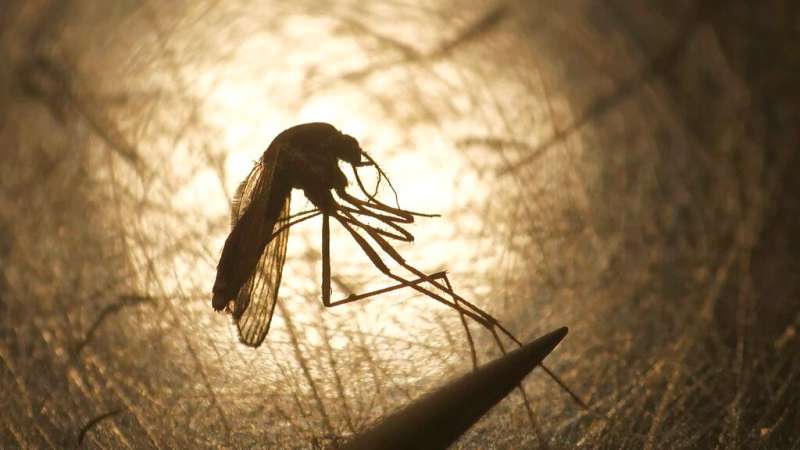
Mosquitoes have tested positive for the disease in more than half of Pennsylvania’s 67 counties, according to the Pennsylvania Department of Environmental Protection, which categorized the current West Nile Virus risk in the state as “high.”
This story appears in the Keystone newsletter. Subscribe here.
Mosquitoes are far more than just a summertime nuisance—the buzzing insects are the world’s deadliest animal.
Mosquitoes can spread disease when they bite, like West Nile Virus. And in recent weeks, mosquitoes have tested positive for the disease in more than half of Pennsylvania’s 67 counties, according to the Pennsylvania Department of Environmental Protection, which categorized the current West Nile Virus risk in the state as “high.”
It’s important to note that while mosquitoes in Pennsylvania have tested positive for the disease, there were no confirmed cases detected in humans as of last week, according to the Centers for Disease Control and Prevention. Children 5 or younger and adults 65 and older are most at risk for getting sick from West Nile Virus, according to health officials.
The state departments of health, environmental protection, and agriculture coordinate with county officials on mosquito surveillance and control measures. You can find out when and where your county is spraying for mosquitoes here, and residents can submit mosquito complaints to the state DEP using this online form.
Officials stress that individuals should do all they can to avoid getting bitten, which means taking steps like using repellent, wearing clothing with long sleeves and long pants, and staying indoors when the mosquitoes are most active, like dusk and dawn.
It’s also important to take precautions around your property. Dumping standing water frequently from buckets, bird baths, ornamental ponds, flowerpots, tarps, toys, etc., is key to preventing mosquito breeding grounds.