Pennsylvania’s senior advocates are urging state lawmakers to pass a tax on skill games, warning that programs from meal delivery to caregiver support are at risk because of underfunding.
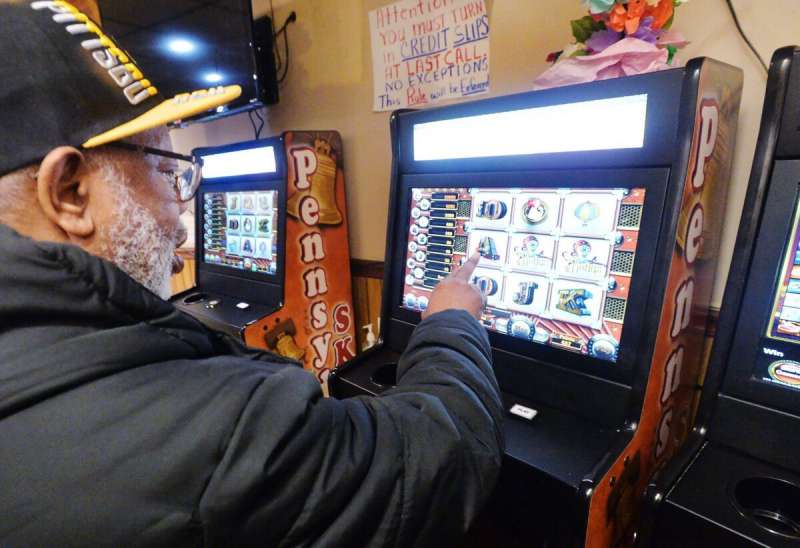
These unregulated games — similar in appearance to slot machines and commonplace in truck stops, bars and convenience stores ― are siphoning millions away from the state’s system for supporting older adults, the advocates said.
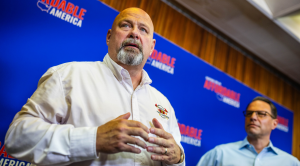
“We need to make sure that we are able to provide services to our older adults so that they don’t face the brunt of these funding shortfalls that are being caused by these skill games,” Rebecca May-Cole, executive director of the Pennsylvania Association of Area Agencies on Aging, said at a May 27 news conference.
Pennsylvania supports older adults through 52 local Area Agencies on Aging, which offer meal deliveries, investigate abuse allegations, support in-home caregivers and oversee senior centers.
These agencies are primarily funded through revenues from the Pennsylvania Lottery. But the lottery’s executive director in 2023 told lawmakers that skill games were diverting an estimated $170 million annually away from the state, City and State Pennsylvania reported at the time.
Gov. Josh Shapiro has proposed imposing a 52% tax on these games, a change that would generate an estimated $2 billion of additional revenue. But a skill game tax plan has struggled to gain momentum in past years, as lawmakers have feuded over the specifics.
During the May 72 news conference, state lawmakers called on their colleagues to carry the measure across the finish line this year.
“Our skill games are a no-brainer,” said Rep. Maureen Madden, D-Monroe County, who chairs her chamber’s committee on aging and older adult services. “Why we’re not taxing them … I’m not sure.”
Representatives of Pace-O-Matic, a skill games operator, agreed that the commonwealth should adopt a tax. But they pushed back on the idea that skill games are sapping resources for older adults.
“The financial pressures facing Area Agencies on Aging are real, and they are being driven by changes to federal funding, rising costs and a rapidly growing senior population,” Mike Barley, chief of public affairs for Pace-O-Matic, said in a statement.
Why are Pennsylvania senior advocates speaking now?
Area Agencies on Aging are already struggling with funding shortfalls, advocates say, and the strain is only expected to increase as the commonwealth’s population grays. By 2030, one in three Pennsylvanians is expected to be older than 60.
Without funding increases, local aging agencies say they might have to lengthen wait lists, cut personal care services and limit hours at senior centers, according to a survey conducted by May-Cole’s organization. The survey also found that 24 agencies predicted they’d have to reduce availability of in-home meals.
These advocates are asking the state for an additional $107 million in funding for Area Agencies on Aging to protect against these closures and cutbacks.
“In order for older Pennsylvanians not to bear the brunt of industry-wide funding shortfalls, the commonwealth must find other ways to raise revenue without imposing a new tax burden on working families and small businesses,” May-Cole said.