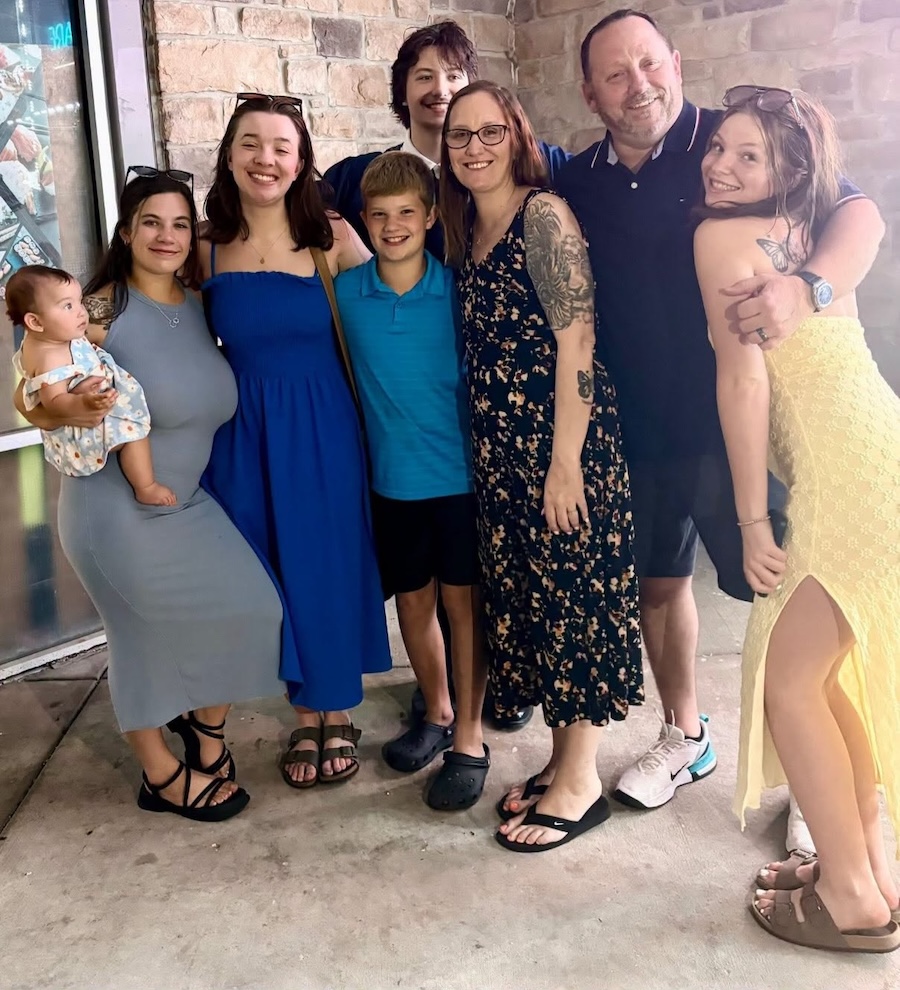
When Christa Greco took over Clothes Mentor in Plymouth Meeting at the end of September, she wasn’t just stepping into the role of a business owner. She was building something she hopes her daughters can one day rely on—a business that could give them opportunity, financial independence, and a future of their own.
“I thought this was something I could do with my two older daughters,” Greco said of the family business. “This is something I can leave them and set them up for success.”
Her oldest, 22, work at the store part time while raising a baby. Greco, a former legal assistant who initially considered opening a daycare before opting to work in resale, said the business gives her flexibility to help her daughter balance motherhood and work. She hopes she can take on more responsibility as her child grows. Her youngest, 17, also contributes by helping with social media.
With everyone pitching in, Greco said the store has become more than a way to make a living. It’s become an opportunity to create something her children can grow into.
Small businesses offer more than a place to shop
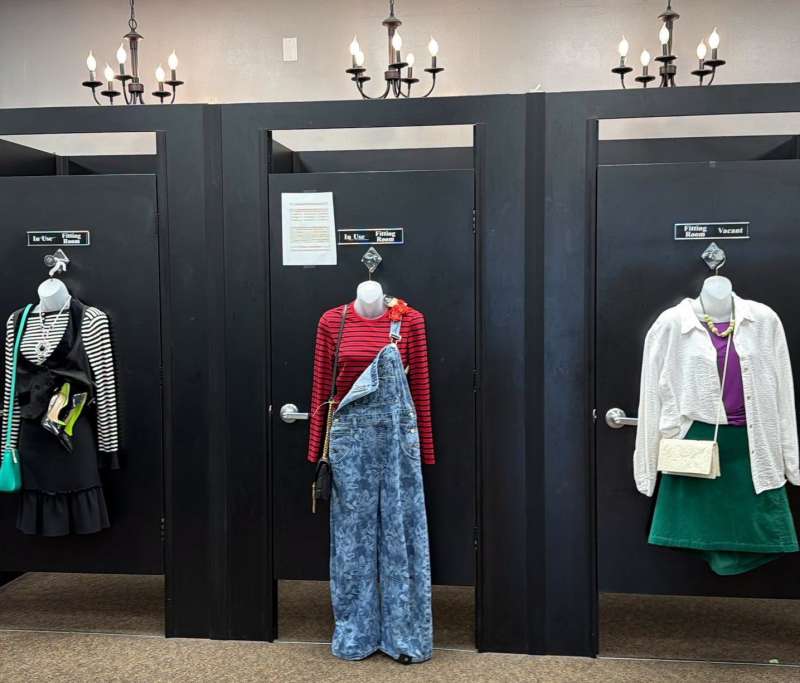
At Clothes Mentor, customers can sell gently used clothing, shoes, and handbags for cash or store credit, while shoppers can find everything from Walmart and Shein brands to Michael Kors and Kate Spade.
But Greco said one of the things that makes shopping at a small business different is the chance to find something that isn’t available everywhere.
“We only have one of everything,” she said. “You get a selection of one.”
Unlike large retailers selling mass-produced merchandise, resale stores offer shoppers the chance to find unique items while giving clothing a second life. And when customers shop at locally owned businesses, Greco said, more of that money stays in the community.
“When you shop small businesses, you are keeping the money in the community,” she said. “With these big businesses, you don’t know where your money is going.”
Small businesses can also help create opportunities for others. Greco is planning a Girls Night Out event at Clothes Mentor, inviting other small businesses to set up tables, promote their products, and contribute items for a raffle basket.
The first event is planned for Dec. 18, with an ugly sweater theme. If it goes well, Greco hopes to hold similar gatherings monthly or every other month.
Her goal is not simply to bring more customers into her own store, but to create an opportunity for other small businesses to gain visibility, too.
Minority-owned businesses face barriers to opportunity
Anisha Steephen, a former senior policy advisor for racial equity at the US Treasury Department, said small businesses can help people who have faced barriers in the traditional workforce—women, people of color, people with disabilities, and caregivers—build economic security.
“When small businesses thrive, a neighborhood gains more opportunities for people to earn a living, build wealth, and contribute their skills,” Steephen said.
Business ownership can provide flexibility for people who face hiring discrimination, have disabilities, or need to care for young children or aging parents, they said. It can also create neighborhood gathering places, jobs close to home, and businesses that better understand the needs of the communities they serve.
But getting a business off the ground often requires money, connections, and access to financing. A 2025 Federal Reserve report found that about 35% of Black-owned businesses applying for loans, lines of credit, or merchant cash advances received the full amount they requested, compared with 56% of white-owned businesses.
Steephen said addressing disparities in economic opportunity is about recognizing who is being left out and what barriers prevent people from putting their skills and ideas to work.
“Most working Americans come to business ownership with far less access to wealth, credit, and connections,” Steephen said. “People deserve access to good jobs and a fair chance to start a business. Neither opportunity should depend on the wealth they were born into.”
Greco has experienced some of the challenges of navigating business ownership herself. She explored financial assistance available to women business owners but found programs with extensive requirements and eligibility criteria. She also said she has had to learn how to manage employees, handle expenses, and understand the financial realities of running a business, all while balancing the demands of work and family.
She credits the support of her fellow business owners, an accountant, and a financial business consultant with helping her navigate those challenges. Each has made a difference as she’s learned how to run and grow a business, she said.
Keeping local businesses alive
When a neighborhood business closes, the loss extends beyond the owner. Residents can lose jobs, convenient access to goods and services, and a place where they know the people behind the counter.
Steephen said local businesses help sustain neighborhood economies through wages, purchases from nearby suppliers, and owners who reinvest in their communities. Their loss can make it harder for neighborhoods to maintain both their economic vitality and community connections.
For Greco, building those connections is part of what she hopes Clothes Mentor becomes: a business that supports her family, gives her daughters opportunities, and creates space for other businesses to grow.
She didn’t take over the store simply to sell clothes. She saw a chance to build something lasting.