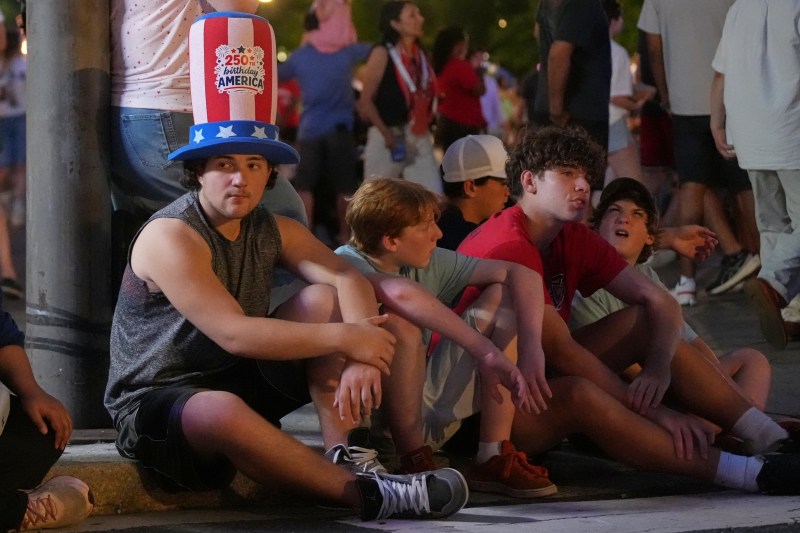
During the Fourth of July, Pennsylvania families made plans to enjoy a few drinks, swim, grill, and watch fireworks, along with attending FIFA World Cup events. Instead, for many on the East Coast, plans shifted to spending days in heat that felt like a sauna with no way out.
RELATED: From Fan Fest to ER: How extreme heat could affect Philly’s World Cup
By the time the long weekend hit Pennsylvanians, they were met with triple-digit temperatures and dense humidity that sent fans to packed cooling centers and forced officials to redraw plans for parades and other festivities.
Heat like this is no longer just a one-bad-weekend inconvenience, it’s a sign of where summers in the states are headed. The extreme heat wave over the Independence Day weekend killed seven people in Philadelphia and strained emergency services across the city. The weekend showcased how extreme temperatures linked to climate change and pollution are turning annual celebrations into dangerous emergencies.
Where climate change fits in
According to the United States Environmental Protection Agency, heat is the leading cause of weather-related deaths in the country, averaging more fatalities than other weather conditions such as hurricanes, floods, and winter storms in just 2024 alone. The July 4 heat was driven by a heat dome of high pressure sitting over the East Coast like a lid to a container, which pushed the afternoon into what the National Weather Service called “record-breaking heat” and caused NWS to issue heat advisories for Pittsburgh and much of western Pennsylvania. Highs topped 100 degrees in Philadelphia for three straight days and kept overnight lows unusually warm.
Scientists at Climate Central say that in major US cities, multi-day heat waves are already “longer, more intense, more frequent, and happening over a longer period of the year than they did in the 1960s.”
That is a result of a warming planet driven by heat-trapping pollutants like carbon dioxide, methane, and nitrous oxide. As global average temperatures climb, the whole distribution of daily highs shifts upward, so when a heat dome or similar pattern settles over a region, it starts from a warmer baseline and pushes temperatures higher than they would have been without human-caused climate change.
For people on the ground, that means more uncomfortable heat, warmer nights, and less time for bodies, homes, and infrastructure to cool down between heat waves.
How Philadelphia handled the holiday heat
Over the July 4 weekend, Philadelphia sat under exactly that kind of pattern, creating what city officials called “dangerously hot” conditions. Before the weekend, the Health Department declared a Heat Health Emergency heading into the holiday from July 1-July 5 that opened cooling centers, extended pool hours, set up cooling tents and misting stations at World Cup fan zones and Independence Day events, and activating the Philadelphia Corporation for Aging (PCA) Heatline to aid residents in need of extra help.
On Monday, city officials ended the Heat Health Emergency alert, but warned people to stay cautious.
“Now is not the time to let your guard down,” said Deputy Health Commissioner James Garrow in a press release. “There are still weeks’ worth of summer events to enjoy in Philadelphia, and it’s important to celebrate safely. Drink plenty of water, find some shade outdoors, and take advantage of air conditioning whenever you can. Also, be sure to check on your elderly neighbors and loved ones to make sure they’re still doing well in the heat.”
READ MORE: Some Pa. homes can’t turn to A/C to escape the heat. Why it matters
During the heat wave, Philadelphia was forced to change even the most traditional parts of the holiday. Initially, city officials first shortened the route of the Salute to Independence parade because forecasters warned f dangerous conditions along the street and on the viewing stands. As the forecast worsened and heat index values (sometimes called “feels-like” temperatures) climbed toward 100 degrees, they ultimately canceled the parade altogether, saying it was the safest option for veterans, children, families, and city staff who would have been standing and marching for hours in the sun.
RELATED: Workplace heat protection legislation would be first of its kind for Pa. workers
Extreme heat is deadly and puts Philadelphians at risk
City officials say the July 4 heat wave was not just disruptive, it was deadly.
According to CBS, the city’s Department of Public Health and Medical Examiner’s Office confirmed that seven people died from heat-related causes in Philadelphia between July 1 and July 5, bringing the city’s total number of heat deaths this year to eight, as one death occurred in May.
Although officials have not shared specific details on these cases, certain Philadelphians face higher risk than others. Climate Central’s health and equity work, along with guidance from city officials, identifies older adults, very young children, pregnant people, outdoor workers, people with chronic diseases, those on some medications, and low-income residents as especially vulnerable during extreme heat.
Many of those residents live in neighborhoods with fewer trees and more pavement, where urban “heat island” effects can drive temperatures several degrees higher than in leafier parts of the city.
READ MORE: Extreme heat is blanketing Pennsylvania. Here’s how to stay safe