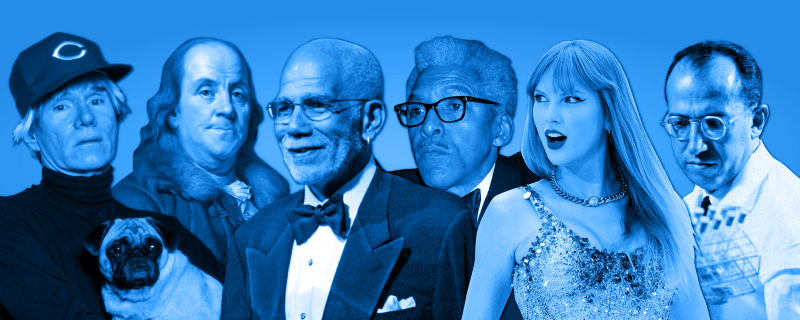
From the moment the ink began drying on the Declaration of Independence to today, Pennsylvania has produced an extraordinary cast of leaders, innovators, artists, entrepreneurs, activists, scientists, athletes, and visionaries whose influence and efforts have shaped our country in many ways.
Their creativity transformed our culture. Their courage challenged injustice and expanded opportunities for generations to come.
As the celebration of America’s 250th birthday was approaching a couple of months back, we set about highlighting the significant contributions Pennsylvanians have made to our country, and asked our newsletter readers for their thoughts on the most influential Pennsylvanians of all time.
As expected, William Penn received a lot of love—there may have never been a Pennsylvania without him, after all. So did the industrialists who shaped Pittsburgh; Pennsylvanians who fought for civil rights; game-changing athletes who were either from here or made their mark here; along with beloved actors, authors, artists, and singers (of course, Taylor Swift made the cut).
Based on reader input and staff suggestions, we’ve put together this list of the 76 most influential Pennsylvanians of all time. We believe it’s a thorough representation of the many and varied ways Pennsylvanians have shaped the course of our country, highlighting important voices of the 21st century, agents of change from the 19th and 20th centuries, abolitionists, religious leaders, politicians, entertainers, and… the inventor of the Big Mac.
Let’s take a look at the individuals from the Keystone State who have impacted our country and culture in profound ways.
Sadie Alexander
Alexander’s influence is marked by a series of firsts: In 1921, the Philadelphia native became the first African-American woman to receive a Ph.D. in economics. Six years later, she broke another barrier by becoming the first Black woman to earn a law degree from the University of Pennsylvania, and made history again as the first Black woman to practice law in the state. Alexander was appointed to President Harry Truman’s President’s Committee on Civil Rights in 1946, and was a founding member of the Lawyers’ Committee for Civil Rights Under Law in 1963.
Richard Allen
Bishop Richard Allen established the African Methodist Episcopal (AME) Church in Philadelphia in 1816, creating the first independent Black denomination in the US. His work extended beyond religious leadership to include advocacy for abolition and equal rights during a crucial period in American history.
Marian Anderson
A Philadelphia native, Anderson became the first Black singer to appear at New York’s Metropolitan Opera in 1955. Anderson sang at the presidential inaugurations of Dwight D. Eisenhower and John F. Kennedy, and was active in the Civil Rights Movement, performing benefit concerts for the National Association for the Advancement of Colored People and the Congress of Racial Equality, and singing at the March on Washington in 1963.
Anne Beiler
Auntie Anne’s, a mainstay of the American shopping mall, began in 1988 with “Auntie” Anne Beiler selling her buttery homemade pretzels at a farmers market in Chester County. Auntie Anne’s currently has more than 1,950 locations around the globe, and they’re still using Beiler’s original recipe.
Joe Biden
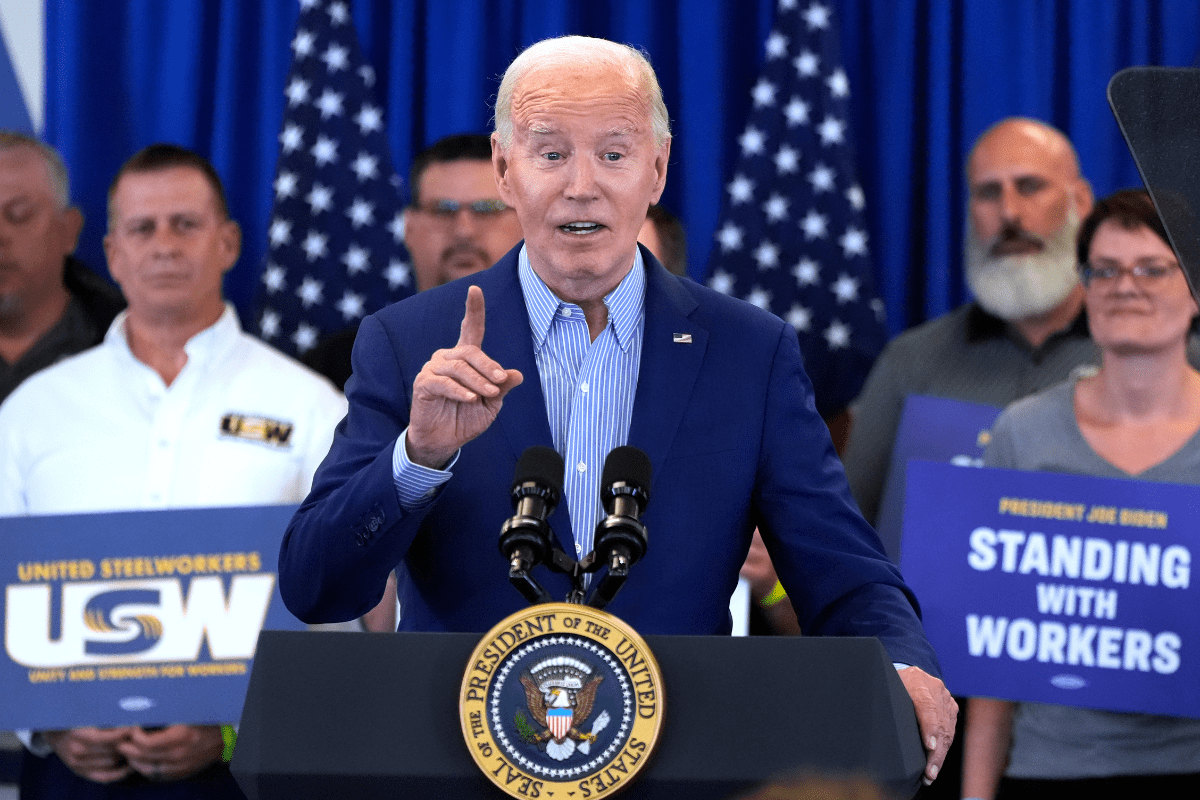
Biden, the second Pennsylvania native to be elected President of the United States, spent more than 50 years in public service, including 36 years as US Senator representing Delaware, and two terms as vice president under Barack Obama. Known for working across the aisle, the Scranton native helped to shape major policy initiatives in Washington to reform healthcare, gun safety, climate change, and infrastructure.
Nellie Bly
Elizabeth Cochrane Seaman, better known by her pen name Nellie Bly, was a pioneer in the field of investigative journalism. One of her most influential pieces was an exposé for the New York World in which she worked undercover to report on a mental institution from within. The Armstrong County native also took a record-breaking trip around the world in 72 days in 1889.
Ed Bradley
Philadelphia native Ed Bradley was a groundbreaking, award-winning broadcast journalist who was the first Black White House correspondent for CBS and a longtime key contributor for “60 Minutes.” Over his career, Bradley won 19 Emmys for his journalism and several Peabody Awards for his “side gig”: hosting public radio’s Jazz at Lincoln Center.
Quinta Brunson
Brunson’s Philadelphia roots run deep in “Abbott Elementary,” the mockumentary-style sitcom she created about a grade school in her hometown. In 2024, she became the first Black woman in more than 40 years to win the Emmy for Outstanding Lead Actress in a Comedy Series, and just the second overall.

Kobe Bryant
After Michael Jordan retired from the NBA, Bryant became the face of the game. The Montgomery County native helped the Los Angeles Lakers win five championships, while also winning two gold medals with the US Men’s Basketball Team at the 2008 and 2012 Olympic Games.
James Buchanan
The nation’s 15th president, Buchanan was born in Cove Gap (Franklin County) and lived in Lancaster County for a good portion of his life. Buchanan was elected to the US House at age 29, where he chaired the Judiciary Committee. As president, Buchanan served one tumultuous term just prior to the Civil War (1857-1861).
Pearl S. Buck
Buck was a writer and humanitarian who lived in Bucks County following many years of work in China. Her most famous work was “The Good Earth,” a 1931 family novel set in China, for which she won the Pulitzer Prize. Buck’s Pennsylvania home, the Pearl S. Buck House is a National Historic Landmark in Perkasie.
Andrew Carnegie
A Scottish immigrant, industrialist/philanthropist Andrew Carnegie revolutionized the US steel industry after settling in Pittsburgh, where he founded the Carnegie Steel Company in the late 1800s. Carnegie donated much of his fortune to fund public libraries, educational and cultural institutions, and international peace initiatives.
Rachel Carson
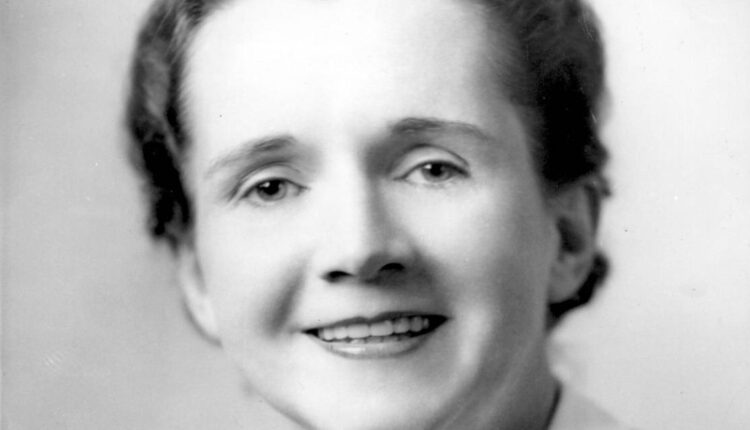
Born in Springdale, Carson was a marine biologist and conservationist whose landmark text, “Silent Spring,” and other writings are credited with advancing the environmental movement. “Silent Spring” was published in 1962 and was met with fierce opposition by chemical companies, but it eventually started a reversal in national pesticide policy and a ban on DDT.
Octavius Catto
Catto was one of Philadelphia’s most influential African American leaders during the 19th century. His activism was a key factor in the ratification of the 15th Amendment to the US Constitution in 1870, which gave Black men the right to vote, and the desegregation of Philadelphia’s public trolley car system. He also helped to establish one of the Negro Leagues’ first baseball teams, the Philadelphia Pythians.
Wilt Chamberlain
Chamberlain, a Philadelphia native, had an outsized impact on the game of basketball. At 7-foot-1, he set the standard for the center position and prompted rule changes that were designed to limit his physical advantage over smaller players. He scored 100 points in a game for the Philadelphia Warriors in 1962, establishing an NBA record that will likely never be broken.
Chubby Checker
The South Philly-raised Checker started a global dance sensation with his 1960 cover of Hank Ballard & the Midnighters’ “The Twist,” one of the most iconic songs of the pre-Beatles era of popular music. “The Twist” would go on to sell more than 15 million copies, and Checker enjoyed other dance-themed hits that straddled the lines of pop and R&B with songs like “The Fly,” “Pony Time,” and “Let’s Twist Again.”
Roberto Clemente
Clemente is considered one of the greatest players in MLB history. He was a trailblazing star for the Pittsburgh Pirates who paved the way for future generations of Latino ballplayers, and a tireless advocate for civil rights and social justice. He died in a plane crash on New Year’s Eve 1972, while attempting to deliver relief aid to victims of an earthquake in Nicaragua.
John Coltrane
Before Coltrane established himself as one of the greatest jazz saxophonists ever on recordings with Miles Davis, Thelonious Monk, and Duke Ellington, he lived in Philadelphia from 1943 to 1958. As a fixture on the city’s fertile jazz scene, he honed his musical chops as a saxophonist and composer. The home Coltrane owned on North 33rd Street from 1952 to 1958 is a National Historic Landmark.
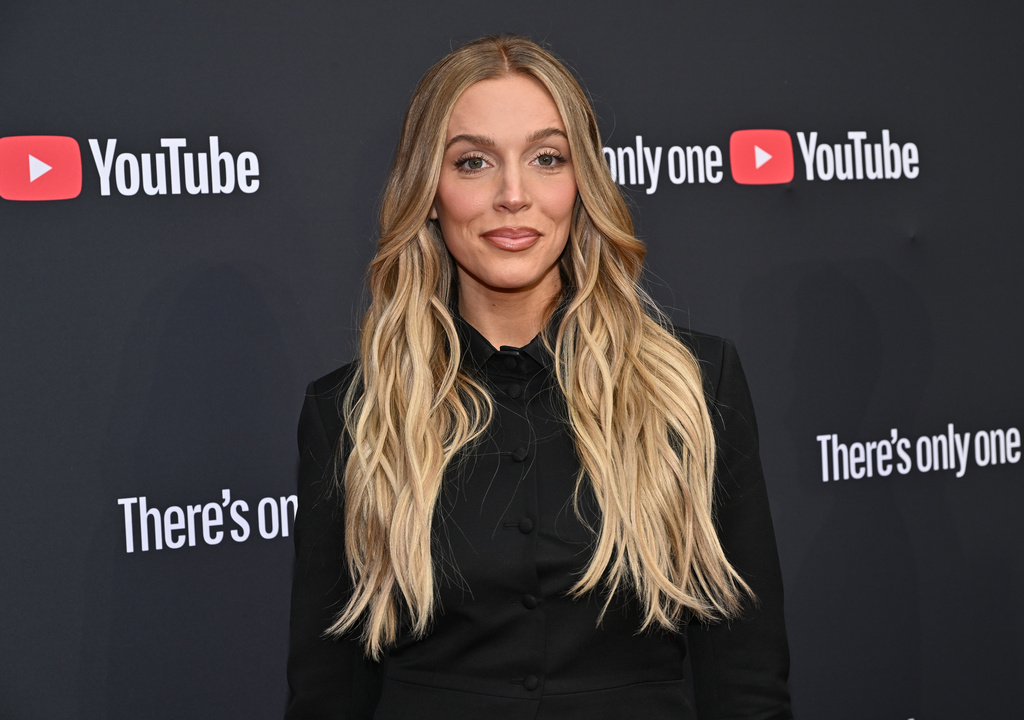
Alex Cooper
Cooper is widely recognized as the most successful female podcaster. The Bucks County native has cultivated a devoted following through her advice podcast, “Call Her Daddy,” which covers a range of topics including health, relationships, work, and pop culture, and earns her an estimated $40 million annually. She is also behind the successful media and lifestyle brand The Unwell Network.
Jim Deligatti
Did you know the McDonald’s favorite, The Big Mac, was invented in the Pittsburgh area in 1967? Franchise owner Jim Delligatti created the double-decker sandwich to appeal to local steelworkers who didn’t feel full enough after eating a regular McDonald’s burger. By 1968, the Big Mac was in McDonald’s stores nationwide. Almost 60 years later, it remains an iconic fast food item.
Mike Ditka
Ditka grew up in Aliquippa, wanting to avoid the backbreaking, dirty work in the steel mills the town was known for. A scholarship to the University of Pittsburgh was his way out, enabling him to carve a path to becoming a tight-end in the NFL, where he became one of just four players to win a Super Bowl title as a player and head coach.
St. Katharine Drexel
St. Katharine Drexel was the second American-born saint to be canonized by the Catholic Church. In 1891, she founded the Sisters of the Blessed Sacrament, a religious congregation serving Black and Indigenous Americans. Later, she founded Xavier University in New Orleans, which was the first Catholic University in the US for Black Americans.
Scott Fahlman
The roots of those colorful and creative emojis we use to tell people how we feel in text exchanges can be traced to Carnegie Mellon University in 1982. Professor Scott Fahlman strategically placed a colon, dash, and parenthesis and said to a group of fellow professors in an online bulletin board, “I propose the following character sequence for joke markers:
:–)
Read it sideways.”
And the emoticon was born.

Tina Fey
Fey, who grew up in Upper Darby, is one of the most prolific and influential comedic hyphenates of her generation. In 1999, she became the first woman to serve as head writer of “Saturday Night Live.” After leaving SNL, Fey has gone on to produce, write, and/or act in hit TV series like “30 Rock,” and movies like “Mean Girls,” which was adapted into a Broadway musical.
Benjamin Franklin
Franklin made a mark on the US as a businessman, writer, scientist, legislator, and activist. And he’s pretty central to Philadelphia’s story, having founded the school that became the University of Pennsylvania, the Philly library system, a city fire department, and the first hospital in the colonies.
Henry Clay Frick
Like Andrew Carnegie (with whom he partnered), Frick was instrumental in transforming Pittsburgh into a booming steel town, helping to establish the US Steel company when Carnegie sold his company to J.P. Morgan in 1901. Frick’s legacy as an industrialist is checkered by the fact that he vehemently opposed organized labor, leading to violent clashes with unions.
Stephen Foster
Known as the “father of American music,” Pittsburgh-born composer Stephen Foster was responsible for well-known folk songs like “Oh! Susanna,” “Camptown Races,” and “My Old Kentucky Home,” the official state song of Kentucky.
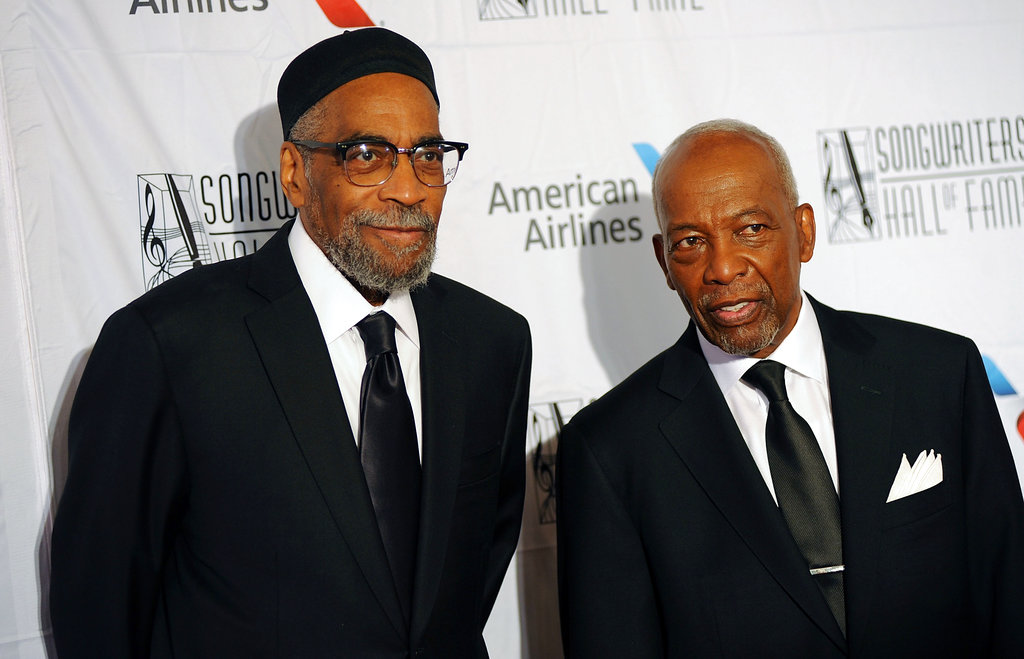
Kenny Gamble and Leon Huff
Philadelphia-based production-songwriting duo Kenny Gamble and Leon Huff created a whole new sound in the ’70s universally recognized as Philly Soul. They were titans of soul music during the decade, responsible for hits from the O’Jays, the Spinners, Teddy Pendergrass, Harold Melvin & the Blue Notes, the Jacksons, Lou Rawls, and others.
Keith Haring
Originally from Berks County, Haring moved to New York City where he gained notoriety from his spontaneous drawings in city subways. His iconic artwork often focused on political and societal themes in the ’80s—including the crack cocaine epidemic, apartheid, safe sex, and homosexuality. Andy Warhol, Yoko Ono, and Madonna were among those who championed his work.
Richard Hayne
Richard Hayne started Urban Outfitters in the early ’70s as a single store in West Philadelphia. Today, Hayne’s Philadelphia-based company URBN operates over 400 stores across the world under four brands: clothing stores Urban Outfitters, Free People, and Anthropologie, and the high-end gardening store Terrain.
Oscar Hammerstein II
Hammerstein is credited with elevating the Broadway musical from a lighthearted and simple form of entertainment to something deeper and more sophisticated. He lived in Bucks County for the last 20 years of his life, composing some of his most memorable work there, including his collaborations with Richard Rogers on “Oklahoma,” “Carousel,” “South Pacific,” and “The Sound of Music.”
Henry J Heinz
Heinz is remembered for more than just introducing ketchup to the masses in the late 1800s via his Pittsburgh-based company. His support of the Pure Food and Drug Act was considered crucial in the bill’s passage, forcing other food manufacturers to comply with regulations regarding sanitary food production and worker safety. It’s also believed Heinz was one of the first to provide amenities for his factory workers, like dining areas and dressing rooms.
Milton Hershey
“The Sweetest Place on Earth,” Hershey, Pa., was named after Milton Hershey—businessman, humanitarian, philanthropist, and chief of the chocolate empire. Hershey’s quest to build the chocolate brand powered his legacy of philanthropy, which began in 1909 with the opening of the Hershey Industrial School, an institution that provided free education and housing to orphans and underprivileged children.
Anna Jarvis
After her mother died in 1905, Jarvis launched a campaign in Philadelphia to make Mother’s Day a recognized holiday. The first official celebration was held at Philly’s Wannamaker Auditorium on May 10, 1908. Over the next handful of years, Mother’s Day celebrations were held across the country on the second Sunday in May, and it became an official calendar holiday in 1914. However, Jarvis grew to dislike the commercialization of Mother’s Day, even campaigning against the holiday in her later years.
Katalin Karikó and Drew Weissman
University of Pennsylvania immunologists Katalin Karikó (a native of Hungary) and Drew Weissman were awarded the Nobel Prize in medicine in 2023 for discoveries that enabled the creation of mRNA vaccines against COVID-19 and could be used to develop other shots in the future. The scientists, who have worked together since 1997, were cited for contributing “to the unprecedented rate of vaccine development during one of the greatest threats to human health in modern times.”
Gene Kelly
Kelly is credited with making the Hollywood musical something the masses could more easily identify with. The Pittsburgh native eschewed the formal elegance of traditional dance routines for choreographed moves that were far more energetic and rhythmic, as seen in 1952’s “Singin’ in the Rain.” Off-screen, he negotiated with studio heads on behalf of the Carpenters Union during a 1947 strike, and was a member of the Committee for the First Amendment during Hollywood’s Blacklist Era.
Grace Kelly
Before Philadelphia native Grace Kelly became one of the original “Hitchcock Blondes” in iconic films like “Rear Window,” she got her start acting at the Bucks County Playhouse in New Hope. She would redefine the Hollywood starlet archetype, and, after marrying Prince Rainier III of Monaco, she worked on behalf of causes like child welfare and protecting performing artists’ rights.
Patti LaBelle
Known as the “Godmother of Soul,” LaBelle has enjoyed enduring success since the early ’70s with songs that were hits on both R&B and pop radio, along with an acting career that has seen her appear in the movies and on Broadway. The Philadelphia native was introduced to the world fronting the trio LaBelle, whose 1974 single “Lady Marmalade” went to number one. As a solo artist, she enjoyed a string of hits, including “New Attitude,” “Stir it Up,” and her 1986 duet with Michael McDonald, “On My Own.”
David L. Lawrence
Pittsburgh’s WQED became the nation’s first community-sponsored television station in 1954, thanks to the efforts of former mayor David L. Lawrence. He was instrumental in lobbying the FCC to grant its broadcast license and tapped his numerous connections in the business community for donations. Without Lawrence’s work behind the scenes, the world may have never known “Mister Rogers’ Neighborhood,” which WQED began producing in 1968.
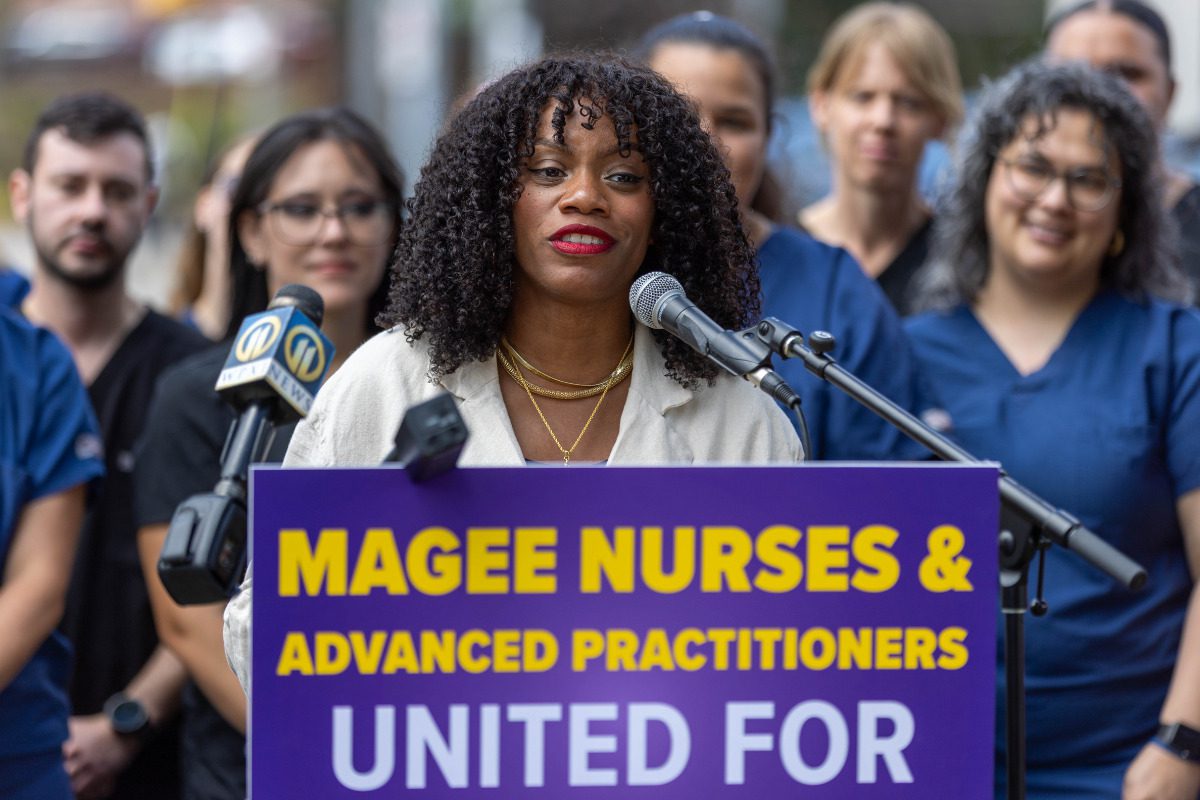
Summer Lee
Lee’s election to the US House in November 2022 was historic, as the Braddock native became the first Black woman to represent Pennsylvania in Congress. It wasn’t the first time Lee made history. Lee became the first Black woman to represent southwest Pennsylvania in the state Legislature when she was elected to the 34th District in the state House in 2018.
Andrew Mellon
Mellon’s influence stretched far and wide during the early 20th century, from Washington, where he served as secretary of the treasury under three presidents, to the business world, to the arts community, even to the amusement park Kennywood outside his native Pittsburgh, which he helped to found. However, that influence waned toward the end of his tenure as treasury secretary with the Wall Street crash of 1929 and the ensuing Great Depression.
Thomas Mifflin
One of the Founding Fathers, Mifflin played a pivotal role in the early days of the US through both military service and in government. He was the first Quartermaster General in the Continental Army and an important figure during the Battle of Trenton in 1776. He would later sign the US Constitution and serve as Pennsylvania’s first governor.
Robert Morris
Morris was a Philadelphia businessman who played an essential role in the success of the Continental Army during the Revolutionary War, financing it almost single-handedly. Born in England, Morris originally opposed the Declaration of Independence, but didn’t stand in its way and eventually added his signature to the document.
Lucretia Mott
A famed abolitionist and women’s rights advocate, Mott was one of the founders of the Philadelphia Female Anti-Slavery Society in 1833. Those efforts brought her into contact with Elizabeth Cady Stanton, with whom she organized the Seneca Falls Convention, an effort that led ultimately to the introduction of the women’s suffrage movement.
Joe Namath
Many football greats emerged from western Pennsylvania, but none had the kind of impact on the game we know today as Namath. His leading the American Football League’s New York Jets to a victory over the heavily favored Baltimore Colts in the 1969 Super Bowl (a victory he guaranteed in an era where athletes never made bold predictions) established the AFL as a credible league and led to the AFL-NFL merger.
Pat and Harry Oliveri
The cheesesteak holds a special place in the state’s culinary history. Invented in the 1930s by hot dog stand owners Pat (of the iconic South Philly spot Pat’s King of Steaks) and Harry Olivieri, the sandwich exploded in popularity during the second half of the 20th century, and has become the signature Philadelphia food, as synonymous with the city as the Liberty Bell and Rocky Balboa.
Thomas Paine
Paine immigrated to Philadelphia from his native England in 1774, where he became the editor of Pennsylvania Magazine. Two of his works from 1776—the pamphlet “Common Sense” and the collection of essays “American Crisis”—are credited with inspiring the Continental Army during the American Revolution.
Arnold Palmer
It’s not just that Palmer was one of the greatest golfers of all time. The Latrobe native’s skills on the course and charisma off it helped to expand golf’s reach. Palmer helped to transform golf from a hobby for the country club set into a more approachable sport that the everyman could enjoy. He also inspired the eponymous beverage, consisting of half iced tea and half lemonade.
William Penn
Pennsylvania’s story begins with Penn, a native of London. Pennsylvania was created when England’s King Charles II granted a charter to Penn, who established it as a province for Quakers fleeing religious persecution in England. It’s fair to say there’d be no commonwealth without him.
Gifford Pinchot
Gifford Pinchot is widely considered to be the father of the American conservation movement. As the first Chief of the US Forest Service, he revolutionized land management by advocating for the planned, sustainable use of natural resources. Pinchot later served two terms as governor of Pennsylvania, spearheading massive infrastructure and public works projects during the Great Depression.
Brian Roberts
Roberts succeeded his father, Ralph, as CEO of the regional cable company Comcast in 1990. Today, the Philadelphia-based corporation is a media giant, with interests in cable, streaming, movies, cell phones, internet, and more. However you consume media or communicate, there’s a good chance you’re utilizing a Comcast (or Xfinity) service.
Fred Rogers
Latrobe native Fred McFeely Rogers was known to millions simply as Mister Rogers, host of PBS’s long-running children’s show “Mister Rogers’ Neighborhood.” It was at Pittsburgh’s WQED studios where Mister Rogers filmed and produced the famous show that aimed to help children learn, grow, and choose kindness.
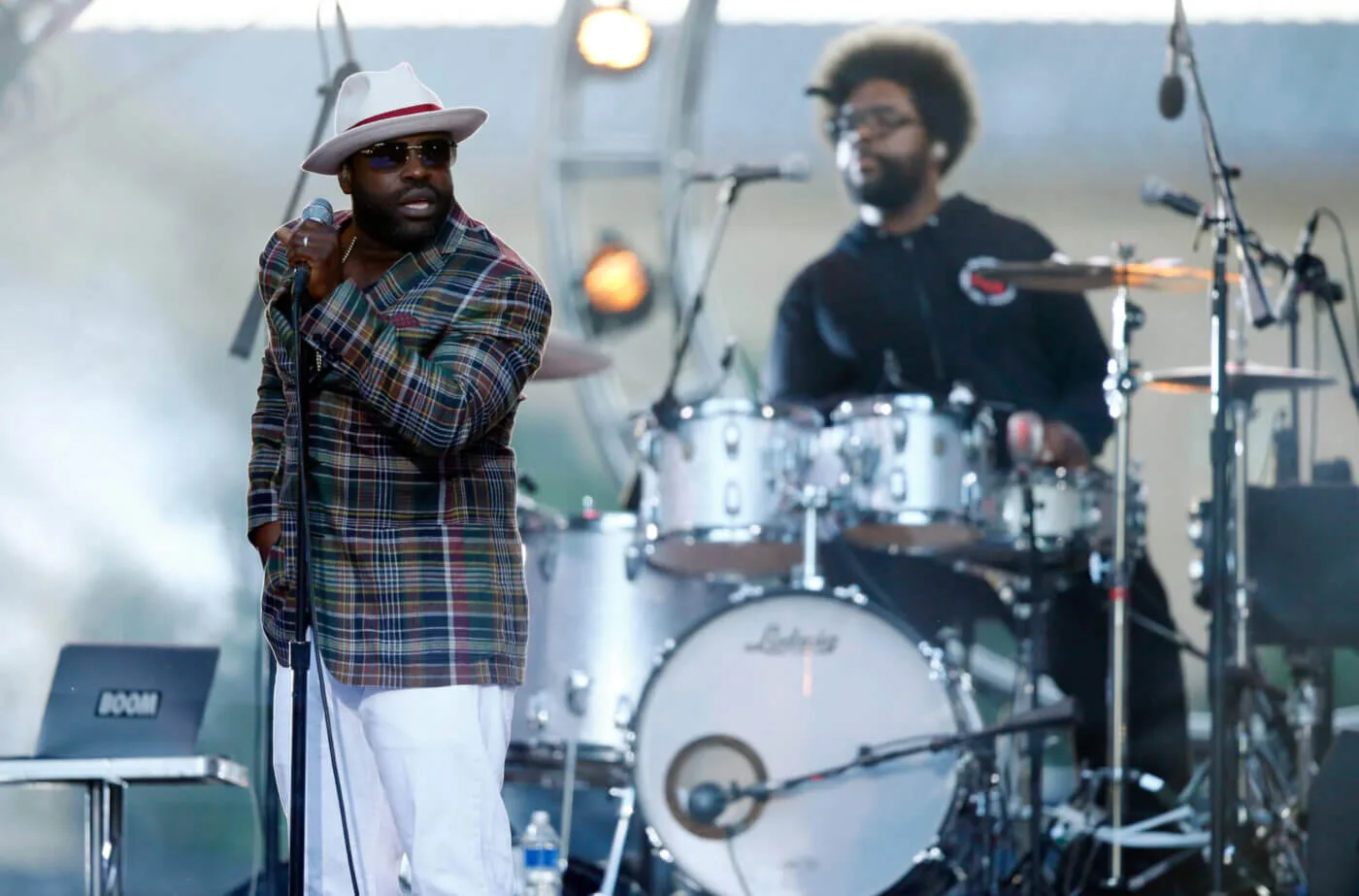
The Roots
From their humble beginnings busking on Philadelphia’s South Street to their long-running gig as the house band on “The Tonight Show,” few artists have explored the creative possibilities of hip-hop quite like the Roots. Mounting a hip-hop show as a live band, they influenced an entire generation of hip-hop and R&B artists. Beyond their musical influence, drummer/producer Amir “Questlove” Thompson has become a cultural force as a DJ, producer, educator, and award-winning documentarian.
Betsy Ross
Elizabeth Griscom Ross, also known as Betsy Ross, was an American upholsterer who was credited by her relatives in 1870 with making the first official US flag, accordingly known as the Betsy Ross Flag, at the request of George Washington. Ross also made flags for the Pennsylvania Navy during the American Revolution.
Bayard Rustin
West Chester native Bayard Rustin bravely walked the dangerous world of social and political movements in the ’40s as an openly gay Black man fighting for both Black and LGBTQ+ rights. A close advisor to Dr. Martin Luther King Jr., Rustin was one of the major proponents of the nonviolent actions of civil rights protests.
Dr. Jonas Salk
Dr. Jonas Salk developed a vaccine for polio at the University of Pittsburgh in 1953, and on Feb. 24, 1954, 137 students at Arsenal Elementary School in Pittsburgh were the first to receive it. Thanks to his efforts and widespread use of the vaccine, the US has been polio-free since 1979.
Mary Schenley
Throughout the late 19th century, Schenley donated large sums to churches and public schools in Pittsburgh. She also donated land to the city for Schenley Park; to the Western Pennsylvania Institute for the Blind; and she gave the Fort Pitt Blockhouse and adjoining property to the Daughters of the American Revolution. In addition, Schenley donated the land on which the Carnegie Institute was built.
M. Night Shyamalan
The greater Philadelphia area where Shyamalan grew up (and where he still resides) plays an integral role in the filmmaker’s catalog of psychological thrillers like “The Sixth Sense,” “Unbreakable,” and “Signs.” Beyond continuing to make movies in and around Philadelphia, Shyamalan has worked tirelessly to help establish the area as a hub for film and television production.
Sylvester Stallone
The movie character Rocky Balboa, created and played by Philadelphia native Sylvester Stallone, helped cement Philly’s reputation as a resilient, gritty, and proudly working-class city. 50 years after the release of the first “Rocky” film, the series’ influence remains evident simply by the number of tourists who have turned the Rocky statue in front of the Philadelphia Museum of Art into a must-visit destination.

Dr. Thomas Starzl
Known to most as the “father of modern transplantation,” Dr. Thomas Starzl accomplished a great deal at the University of Pittsburgh Medical Center, notably, the world’s first heart-liver transplant in 1984. His pioneering efforts are widely considered to have made organ transplant procedures broadly applicable in humans.
Thaddeus Stevens
Former US Rep. Thaddeus Stevens was an ardent abolitionist and secret supporter of the Underground Railroad. According to legend, Stevens would hire spies to infiltrate the many groups of slave catchers who prowled the Lancaster area and thwart their plans by passing the information along to conductors.
Jimmy Stewart
Stewart, who was born and raised in Indiana, Pa., is a legendary actor who won an Oscar for the 1940 romantic comedy “The Philadelphia Story.” His most iconic role, however, is that of George Bailey in the Christmas classic “It’s a Wonderful Life.” His hometown celebrates the movie and Stewart’s legacy each holiday season with the It’s a Wonderful Life Festival.
Taylor Swift
Berks County native Taylor Swift is a global pop superstar who has been one of the most-streamed artists in the world, the focus of college courses, and Time Magazine’s Person of the Year. Swift recently became the youngest woman ever inducted into the Songwriters Hall of Fame at age 36.
Ida Tarbell
Pioneering investigative journalist Ida Tarbell penned a series of articles in McClure’s Magazine in the early 1900s that led to the dissolution of the Standard Oil company and the eventual creation of the Federal Trade Commission. The Erie’s native’s story, “History of Standard Oil,” is still studied in history and journalism classes.
Sister Rosetta Tharpe
Singer-songwriter-guitarist Sister Rosetta Tharpe moved to Philadelphia in 1957, remaining in the city until her death in 1973. She is credited with bringing gospel into the mainstream and planting the seeds from which early rock ’n’ roll and R&B would grow. Elvis Presley, Little Richard, Johnny Cash, and Bob Dylan all cited her as an influence. She was inducted into the Rock and Roll Hall of Fame in 2018, credited as the first guitar heroine of the genre.
Jim Thorpe
The origins of Thorpe’s journey to becoming America’s first great multi-sport athlete can be traced to his time attending the notorious Carlisle Indian Industrial School, an institution that was part of the US government’s assimilation policy toward Native American children. Thorpe would go on to become a champion Olympic runner who also played baseball and football professionally, and was posthumously awarded the Presidential Medal of Freedom.
John Updike
Writer John Updike credited his Berks County childhood home as the place where his “artistic eggs were hatched.” He lived in Shillington until he was 13, and the small, middle-class town went on to inspire the small, middle-class towns depicted in Updike’s novels like “Rabbit, Run,” which many consider the quintessential Great American Novel.
Andy Warhol
Pittsburgh native Andy Warhol established the Pop Art style, reshaping modern visual culture by blurring the lines between high art and commercialism. Though Warhol began his art career in New York, Pittsburgh is home to a massive Warhol museum, as well as monuments to the artist, such as the Andy Warhol Bridge.
George Westinghouse
It was in Pittsburgh that Westinghouse, a New York native, built an industrial empire. As an inventor and manufacturer, his companies were behind innovations like the railway air brake, which revolutionized railroad safety, and alternating current (AC) power, which revolutionized electricity. Westinghouse was also at the forefront of natural gas discovery, inventing piping systems, safety valves, and meters.
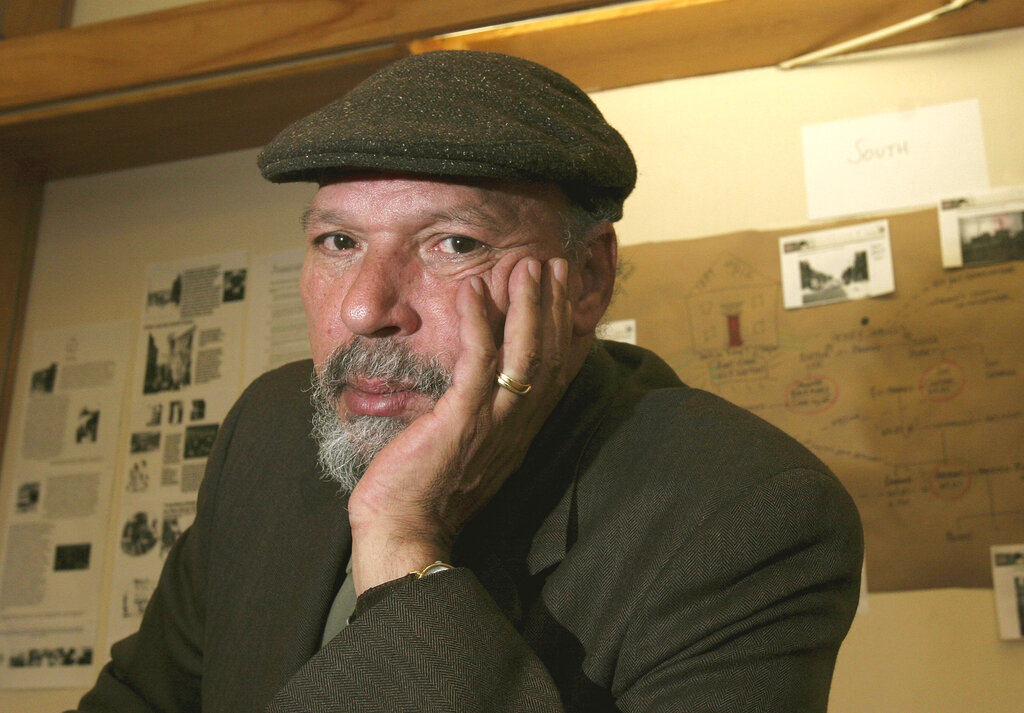
August Wilson
The legendary playwright August Wilson once said, “Pittsburgh has provided the fuel and the father for all of my work … I carry Pittsburgh, in the vibrant life and experiences of the Hill, with me.” His play “Fences” is one of the 10 plays that make up Wilson’s “Pittsburgh Cycle,” which explores the Black American experience through the Black community in the city. A Broadway theater was named in his honor after he passed away in 2005, the first to be named for a Black playwright.
James Wilson
Originally born in Scotland, James Wilson emigrated to America in 1766. He started a law firm in Reading and was elected to the Continental Congress in 1775, where he was a leading voice in the quest for independence and was a key figure in securing Pennsylvania’s ratification of the Declaration of Independence.
Andrew Wyeth
As abstraction was on the rise in the art world during the 1940s, Wyeth carved his own path as a master of realism. His detailed paintings often featured the people, places, landscapes, and structures of rural America, work that was directly inspired by his hometown of Chadds Ford in Chester County.
Dick Yuengling
The fifth-generation owner of Pottsville-based D.G. Yuengling & Son, America’s oldest brewery, turned his family’s struggling brewery into one of America’s largest beer makers. When Yuengling bought out his father in 1985, the company was producing 137,000 barrels per year; now it pumps out some 2 million barrels annually and is available in about 30 states.
Kalena Thomhave and Ashley Adams contributed to this report.
Information from the Associated Press was used in this story.