With 125 state parks and about 2.5 million acres of forests under its care, the Pennsylvania Department of Conservation and Natural Resources (DCNR) has new goals to protect the environment from climate change.
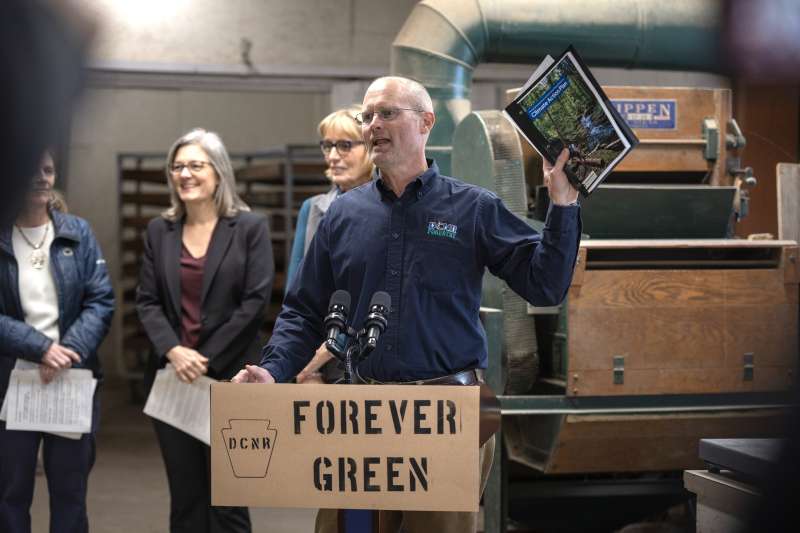
The agency released its new 182-page Climate Action Plan on Nov. 10 in Centre County.
State officials gathered at the Mira Lloyd Dock Resource Conservation Center to talk about mitigating the impacts of rising temperatures and environmental losses from erosion and wildfires.
“This plan builds on the work DCNR is already doing to prepare our public lands for the impacts of climate change, protect the natural resources Pennsylvanians depend on, and reduce our own emissions, DCNR Secretary Cindy Adams Dunn said in the announcement. “We’re setting clear goals and taking practical steps to ensure these special places remain safe, healthy and accessible for everyone.”
One of the goals the agency created for itself is to generate or offset 100% of the electricity the agency uses from carbon-free resources by 2035.
It’s something the DCNR has been working on for several years as it now has 38 grid-connected solar array installations and two off-grid solar installations completed.
Now, another solar site is under construction, and six additional solar sites are under design development.
The 40 installations total about 4.7 MW giving DCNR what it says is the ability to produce about 5,557,000 kWh of its own electricity, save up to $866,000 annually based on the 2025 cost for electricity.
In addition, the solar projects are estimated to reduce emissions by more than 3,900 metric tons of CO2 equivalent (MTCO2 e) annually.
What that translates to is that electricity being produced would be enough to power 530 homes in Pennsylvania each year, and the reduction in Carbon Dioxide is equivalent to the amount captured by roughly 100,000 trees.
The agency is also replacing many of its more than 1,400 passenger vehicles and 200 non-passenger vehicles with those powered by electricity or hybrid options. The goal is to electrify 80% of its fleet and field equipment by 2050.
For members of the public who have vehicles powered by electricity, the agency has more than 50 public charging stations located at 39 state parks and six state forests. This equates to 31% of parks and forests with public EV infrastructure.
Changing climate concerns
The DCNR reports Pennsylvania has been experiencing increased flooding, more extreme heat days, harmful algal blooms and shifting seasonal patterns. The agency is concerned these changes can threaten public safety, harm natural resources and affect the places Pennsylvanians and visitors enjoy for outdoor recreation.
The climate plan builds on work already underway and sets goals for making DCNR’s operations and public lands more sustainable and resilient for future generations.
The plan draws on the findings from the Pennsylvania Department of Environmental Protection (DEP)’s Climate Change Impact Assessment and establishes specific goals and accountability measures, prioritizes support for vulnerable communities.
The plan provides both general and specialized climate change training to all DCNR staff by 2030 and establishes 60 measurable climate action goals across the agency.
“As the effects of a changing climate continue to expand, DCNR’s work on their Climate Action Plan is another way that Pennsylvania is focused on the future,” DEP Secretary Jessica Shirley said in the news release. “DCNR’s tremendous work will help to preserve the natural and scenic beauty at state parks, forests, and public and private lands as guaranteed in Pennsylvania’s Constitution. As DCNR uses the plan to guide future actions, it will allow them to mitigate and adapt our public lands to continue to be an amazing resource for future generations.”
Work to protect natural resources
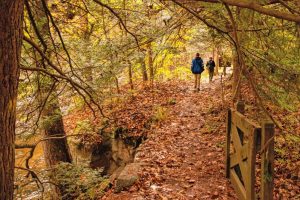
The agency has plans upgrading trails and recreation infrastructure to withstand more severe storms, enhancing emergency response training, and expanding forest management practices that reduce wildfire risk, control invasive species and strengthen ecological resilience. DCNR serves as the lead agency for all wildfires in Pennsylvania and provides grants to volunteer fire departments to help equip and train crews across the state.
The entire 182-page plan is available on the DCNR’s website.