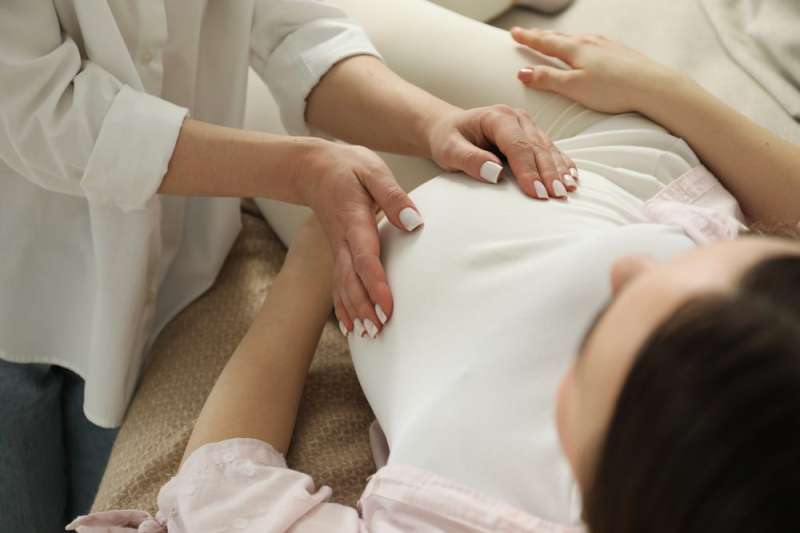
Pennsylvania is the 13th state to provide coverage for doula services under Medicaid, enabling residents to have more access to physical and emotional support during pregnancy, labor and delivery, and postpartum.
In an effort to improve maternal health in the commonwealth, certified perinatal doula services are now covered by Medicaid in Pennsylvania, thanks to legislation that went into effect at the beginning of the year.
Under the new law, introduced as House Bill 1608 by Rep. Morgan Cephas (D-Philadelphia) and signed into law by Gov. Josh Shapiro in October of last year, Medicaid will reimburse certified doulas for providing childbirth education and support services, including physical and emotional support, during pregnancy, labor and delivery and up to one year postpartum.
“Research has shown that doula support leads to improved birth outcomes, including reduced rates of cesarean sections, shorter labor durations and higher rates of breastfeeding initiation. By providing continuous support throughout pregnancy and the important first year following birth, doulas contribute to safer and more positive experiences for families,” Cephas said in a memo announcing the bill.
The law also established a Doula Advisory Board to set standards and requirements for doulas practicing in Pennsylvania.
“Coverage for doula services with Medicaid is not new,” said Sara Jann Heinze, senior director of policy and advocacy at Maternity Care Coalition, during a recent roundtable held by the PA Doula Commission. “There are 12 states including Washington, D.C., that are actively providing doula coverage for Medicaid services. Pennsylvania became the 13th state this year.”
According to a Medicaid bulletin from the state Department of Human Services, certified doulas who are registered to receive reimbursement from Medicaid will get paid $100 for prenatal and postpartum visits (12 per calendar year), $175 for two “other services” per year (including fertility and pre-conception counseling, pregnancy loss, infant loss, or termination of pregnancy), and $1,000 for labor and delivery.
“Access to doula services is important,” Heinze said. “It won’t solve the maternal health crisis but it helps.”